
Agricultural Drones for Spraying and Spreading
Explore FP800, V80, HD580, HD540S and HD525 agricultural drones for liquid spraying or granular spreading. For crop spraying, shortlist the aircraft and liquid application setup together. For granular spreading, check the compatible spreading assembly and what the quote includes. Farms and contractors can review the five models below. Equipment distributors can become a dealer.
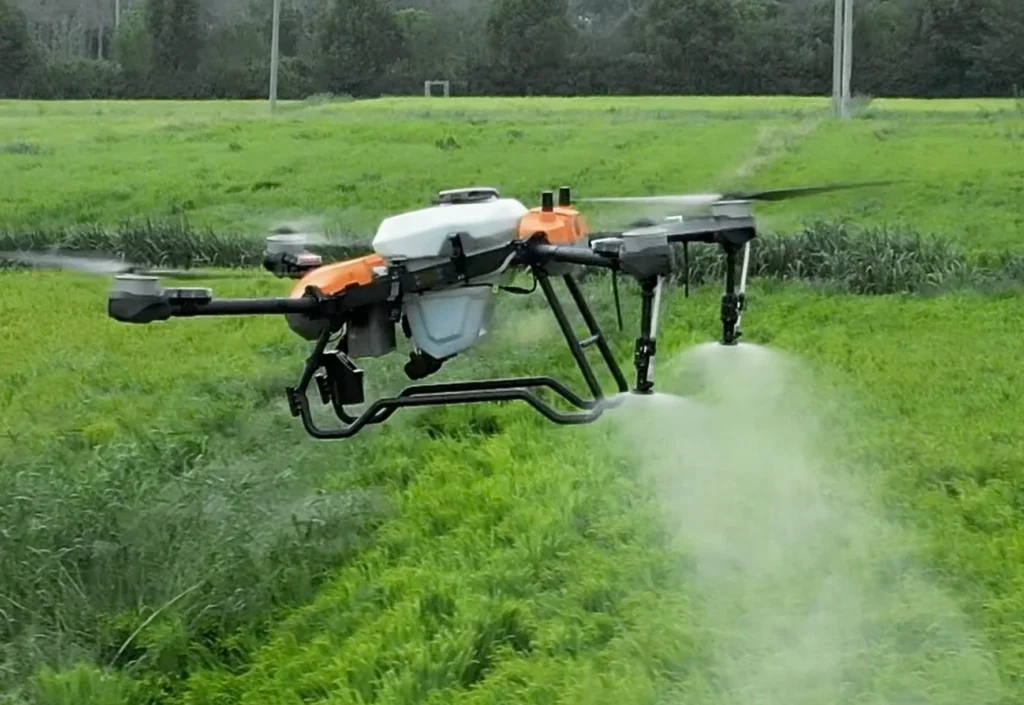
Farming with drones: what these aircraft actually do
NAVIRO’s agricultural drone range covers liquid spraying and compatible granular spreading configurations. Start with the crop, material and application volume, then compare the aircraft with the refill, charging and transport arrangements you can provide.
Review FP800, V80, HD580, HD540S and HD525 below. For field-planning questions, see crop spraying applications. For the broader planning and record-keeping process, see how drones fit into a farming season.
Choose the task before choosing the drone
A crop spraying drone and a fertilizer spreading drone may use different assemblies. Make the intended task explicit before comparing offers.
Crop spraying
For liquid applications, describe the crop, field blocks and the application volume required by your treatment plan.
Granular spreading
Identify the material and required load. Hopper volume does not establish the permitted mass or material compatibility.
Granular spreading is also how these aircraft handle nutrient delivery: a drone carrying fertilizer or seed in its spreading assembly applies the material across the block, so name the material and the required load before comparing offers.
Commercial field work
Include movement between jobs, charging power, refill access and replacement-parts planning in a contractor brief.
For an ag drone operator running paid jobs, the brief should also name who flies, who handles mixing and refills, and which replacement parts travel with the aircraft — the operator’s day is won or lost on turnaround between blocks, not on tank size alone.
Spraying, spreading or surveying: choose the right equipment type
Equipment for applying material
The models on this page are offered for agricultural application work. A liquid-spraying configuration uses a tank and spray system; a granular configuration requires a compatible hopper and metering assembly. Confirm the available assemblies, material compatibility and changeover requirements for the exact model before ordering.
Equipment for collecting field information
Mapping and crop monitoring use cameras or sensors and suitable processing software. These are different requirements from applying liquid or granular material. NAVIRO does not offer the survey aircraft or sensing software described here; a mapping brief should be reviewed with a specialist supplier.
If your requirement is spraying or spreading, compare the five models below by task assembly, equipment package and field conditions. The agricultural drone selection guide provides another starting point for your shortlist.
Explore five agricultural drone models
Open the agricultural drone comparison to check spray tank and spreading hopper references side by side for FP800, HD580, HD540S, HD525 and V80. For details on the V80 package, review the V80 model page for its spray assembly, controller and charging equipment. When you are ready to check what is included in a quote, see spray drones for sale.
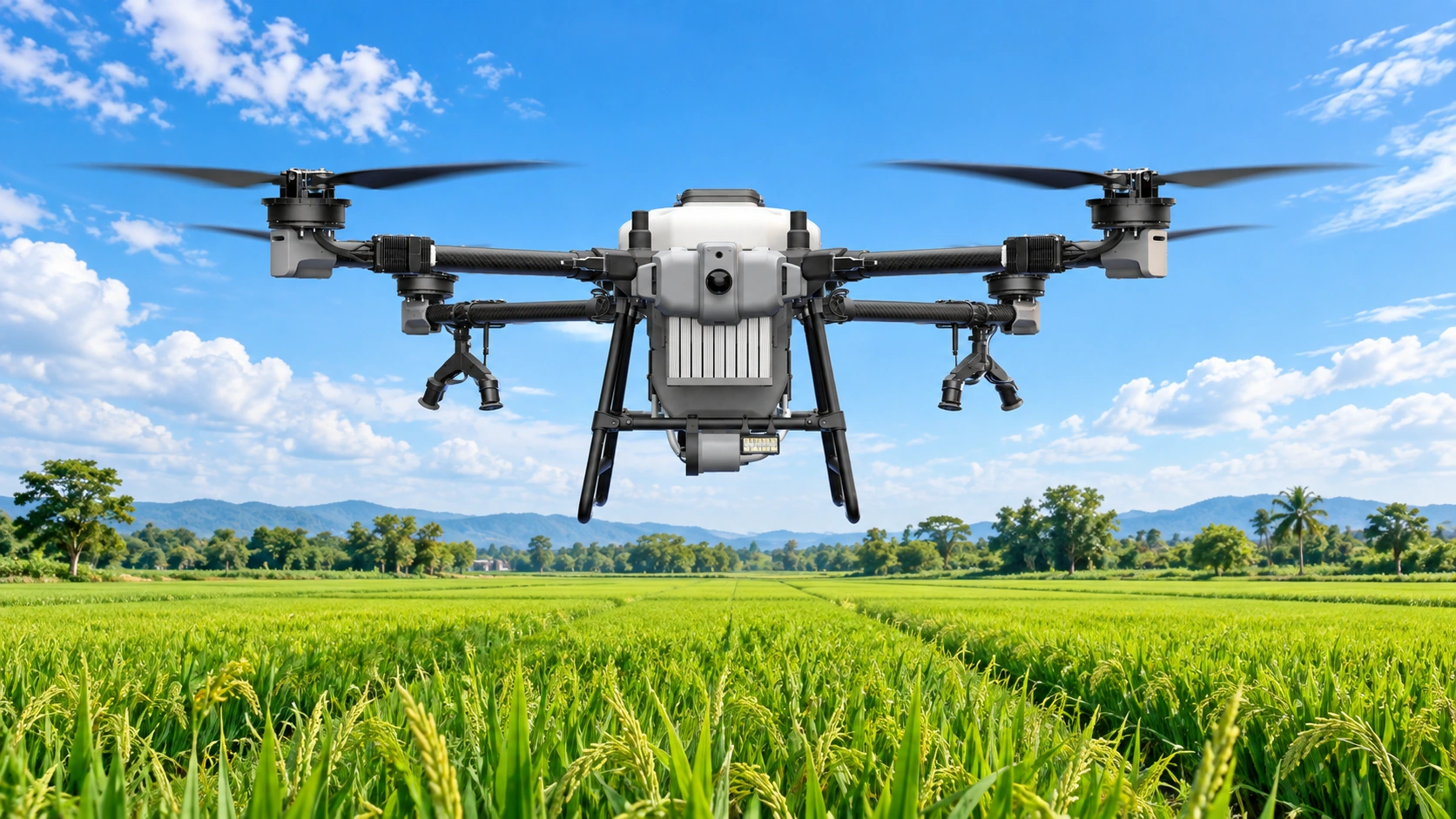
FP800
Check the FP800 liquid configuration and the optional SP-7 granular assembly separately. The model page explains rated versus maximum tank capacity and the spreader load reference.
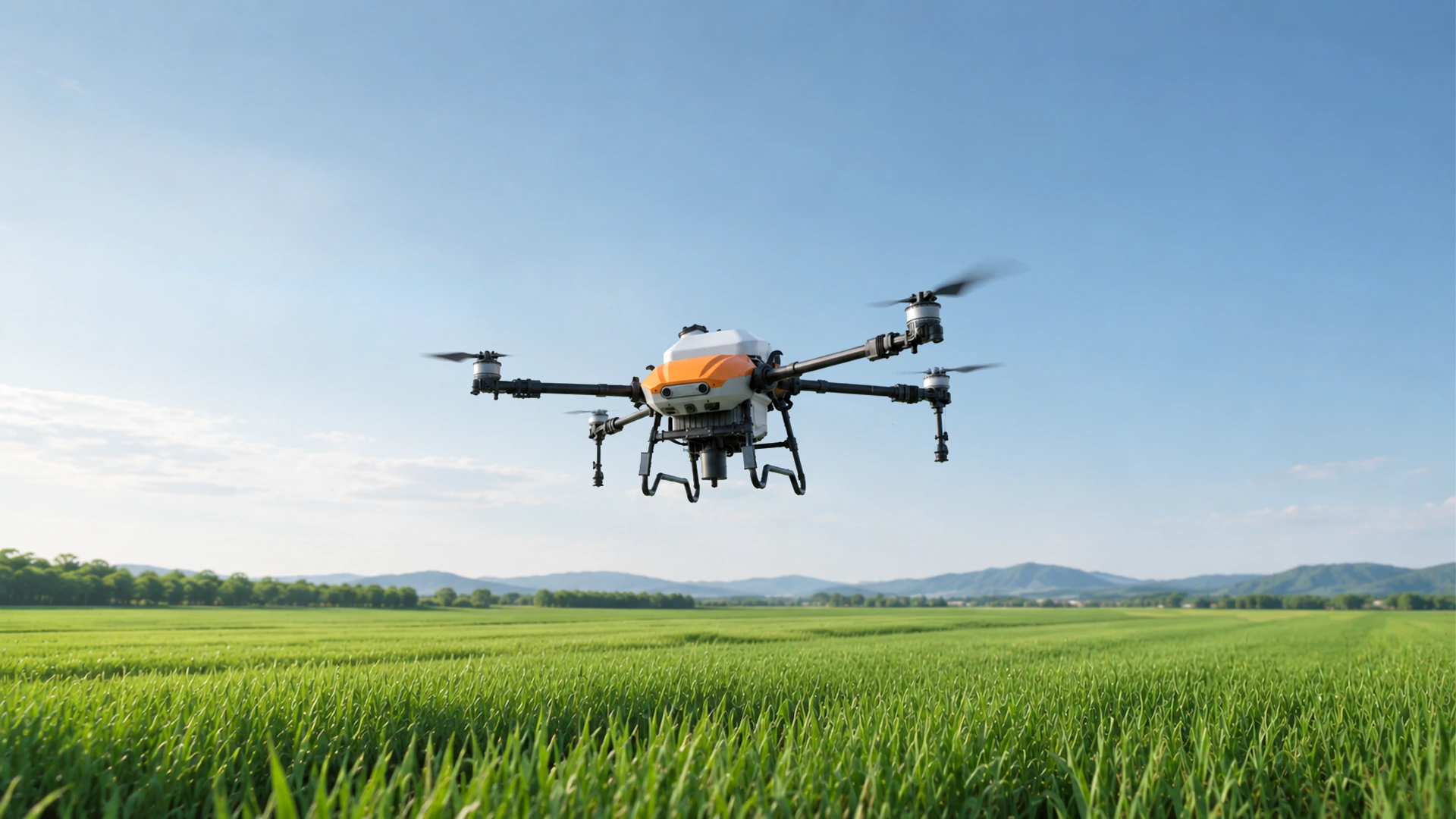
V80
Review the V80 aircraft, installed application assembly, controller and power equipment as one model-specific package before comparing offers.
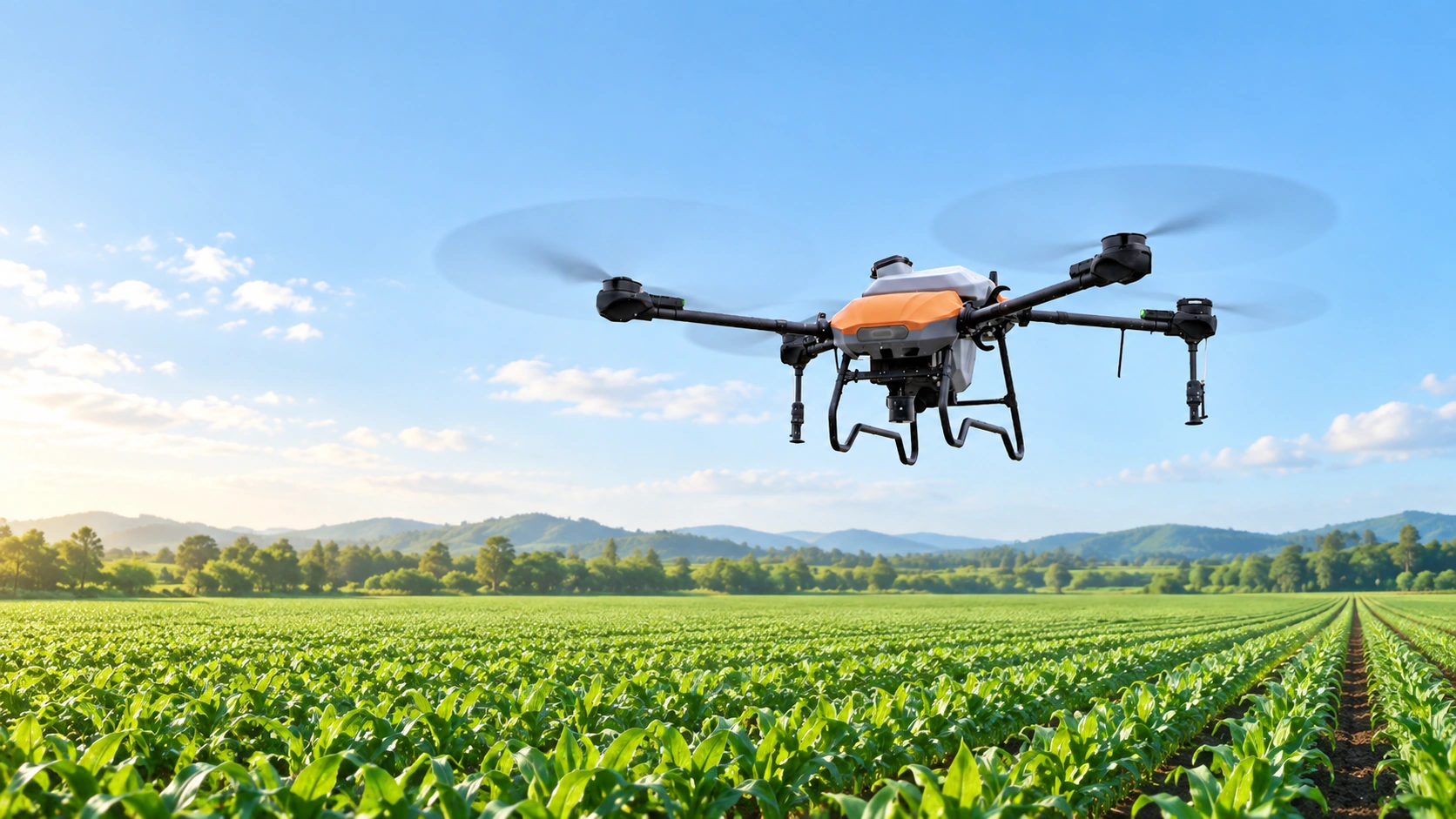
HD580
Review the HD580 spray-system references alongside the battery, charger and transport requirements. Use the exact model documents when preparing your equipment brief.
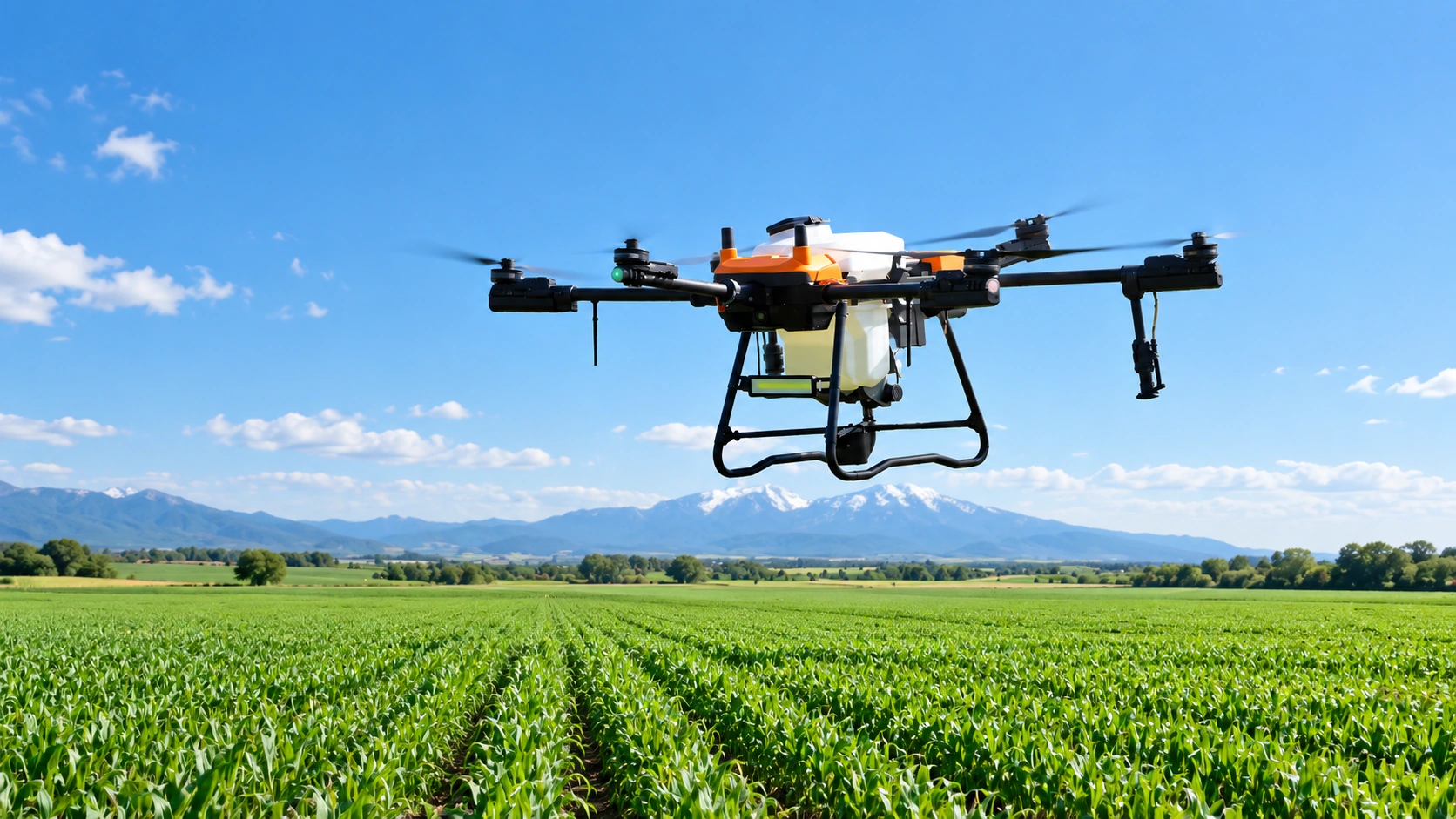
HD540S
Use the confirmed HD540S catalogue reference, then check the installed nozzle option and the HRC2 controller against the quoted configuration.
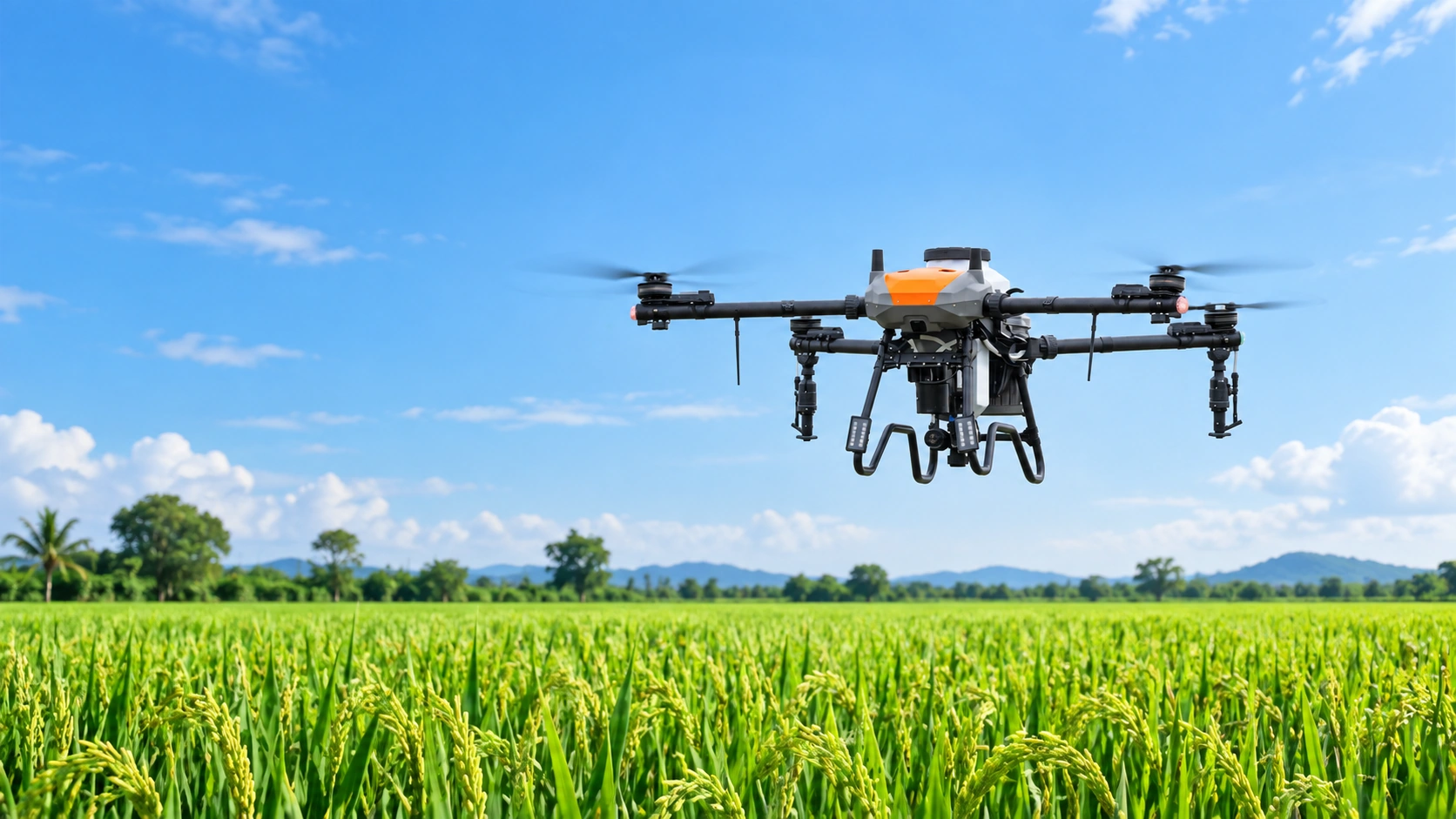
HD525
Open the HD525 page to review its task system and transport setup. Include the supporting power equipment when comparing the purchase package.
Precision agriculture drones for spraying and spreading
Buyers looking for precision agriculture drones usually want the application itself to be exact: the right material, on the right block, at the rate their treatment plan sets. The precision ag drones in this range are application aircraft — each model is reviewed with its installed spray or spreader assembly, so a precision ag UAV is compared on the configuration that will actually fly, not on a family name. If your precision farming brief starts with cameras or survey data, that is a different requirement; drones and precision agriculture meet on this page at the application step, where the confirmed assembly, nozzle option and load decide what the aircraft can deliver.
Different task? For suspended loads rather than field application, use the cargo drone range. Agricultural tank capacity does not establish a cargo lifting limit.
One machine, many names
Buyers, dealers and regulators rarely call the same aircraft by the same name, and most of the variation is harmless once it is recognised. The broadest trade term is agriculture uav drone, which simply uses the aviation abbreviation — UAV, unmanned aerial vehicle — in place of the word drone. Dropping the final word gives agriculture uav, the short form that appears in tender documents and import paperwork. The plural uavs for agriculture shows up in fleet and contractor contexts, where the purchase is several aircraft rather than one. Specifications written by aviation-minded suppliers often read uav drones for agriculture, doubling the two terms together. Customs and freight documents may expand the idea as uav for agriculture use, a paperwork phrasing rather than a product name. At the most formal end of the register sits unmanned aerial vehicle in agriculture, the phrasing used in regulations, insurance documents and academic papers. None of these labels describes a different machine from the spraying and spreading models on this page. Task-based names describe the job rather than the airframe. An agricultural spraying drone is any of the models on this page with the liquid application assembly fitted — the name follows the task, not a separate product line. The short trade label crop drones covers the same aircraft in everyday speech, and it can also include the sensing types described above, so it is worth asking which task a seller means. Writers discussing uav use in agriculture are usually describing operating practice — licensing, drift control, refill logistics — rather than a product category. The companion phrase drone use in agriculture covers the same ground in plainer language. Reports on drones used in agriculture worldwide tend to count both application and sensing fleets together, which is why published fleet numbers are always larger than sprayer sales alone. A third set of phrases describes the practice of farming with aircraft rather than any single product. Farming and drones is the discussion heading under which farm press covers costs, labour savings and regulation. The reversed pairing drones and farming appears in the same articles, usually where the writer is comparing aircraft with ground rigs. Drones in farming is the working farmer’s version of the phrase, and it is the one most often used in search by growers themselves. The compressed label uav farming is common in headlines, course titles and video names for the same subject. A dealer describing a customer’s operation may call the whole set-up a drone farm, meaning the aircraft, charging point and refill station working as one unit. The same equipment, seen from the service side, is what contractors mean when they talk about supporting drones in farms across a district — several properties served by one crew. On the ground, everything depends on the drone field: the block being treated, its boundaries, water access and the turning space at its edges. Product photography and field reports use field drone loosely for any aircraft photographed working a block. A specification that mentions a drone in field is normally quoting performance measured in real field conditions rather than in a test hall. Precision work has its own vocabulary again. Precision farming drones are application or sensing aircraft flown on planned routes with recorded rates, so every pass can be repeated and audited. The technical label uav precision agriculture comes from the research literature, where the emphasis is on measurement accuracy. Its near-twin uav precision farming is the version farm suppliers use in brochures. Writers who put the aircraft second write about precision agriculture with drones, stressing the agronomy method over the machine. Buyers comparing suppliers often search drones for precision agriculture when they want that recorded, repeatable application standard. At the heavy end of the range, large agricultural drones — the high-capacity multirotors in the class of the largest model on this page — trade manoeuvrability for fewer refills per block. Two further habits are worth knowing when reading international material. Papers that pair uav and agriculture as twin keywords are academic studies, and their figures usually come from trial plots rather than commercial fleets. The FAO’s report E-agriculture in Action: Drones for Agriculture is the reference most often quoted in development and policy discussions of the sector. Regional phrasing varies as well: enquiries logged as united arab emirates drones, for example, come from Gulf buyers describing the same spraying and spreading category for their own market. Australian and New Zealand trade writing shortens the sector to aerial ag. Aerial agriculture is the fuller form used in North American application businesses. Agri aerial survives as a legacy business term in some of those same markets, mostly in company names rather than product descriptions. Buyers in the United States who prefer local support can also compare regional US drone dealers before choosing a national supplier.Compare the complete spray drone package
Tank size alone does not describe the equipment you receive or the work your crew can complete.
| Purchase question | Compare in the offer | Continue the review |
|---|---|---|
| Aircraft and task system | Exact model revision, installed spray assembly and separately listed spreader option. | Model details and configuration comparison |
| Power and field support | Battery identifiers and quantities, compatible charging setup and required input power. | Battery and charger identification |
| Price and delivery | Itemized equipment, optional assemblies, packing scope, destination and delivery inclusions. | Configuration-specific package quotation |
Agricultural drone buying questions
Resolve these points before choosing the largest capacity or the lowest headline price.
How much does an agricultural spray drone cost?
The price depends on the aircraft revision and the included application assembly, batteries, charger, optional spreader and delivery scope. Request an itemized quotation for the same package when comparing suppliers.
Use the agricultural drone price guide to review cost headings, then confirm current pricing and included equipment in a written quotation.
Can one drone spray and spread fertilizer?
A compatible aircraft may support separate liquid and granular assemblies. Ask which assembly and conversion components are included for the exact model; neither task should be assumed from the family name.
Which model is right for my farm?
Send crop and field-block information, the required task, charging power and destination. Compare the confirmed configuration rather than ranking models by tank capacity alone.
What is the best drone for farmers?
There is no single best drone for farmers — the right model depends on the job. A drone for farmers who spray their own fields has to match the crop, the field blocks and the application volume in the treatment plan; a contractor covering many farms also has to plan charging power, refill access and spare parts. Send us those details and we will match one of the five models above to the work, then confirm the exact configuration in a written quotation.
Which UAV for farming matches my task?
Drones in agriculture serve different tasks. This category focuses on equipment for liquid spraying and granular spreading. Tell us the material, crop and field conditions before choosing an aircraft; a camera or survey requirement is a different brief.
How is agriculture drone weight capacity rated?
Agriculture drone weight capacity is rated as maximum take-off and payload figures set by the manufacturer, and the useful number for planning is the payload: the weight of liquid or granules the aircraft can lift on top of its own weight and batteries. On this page the largest model is rated at a maximum payload of 85 kg, which is what allows its 80-litre spray tank and 120-litre spreader to work at full load. Always plan from the payload figure for the exact configuration quoted, not from the tank size alone.
Which agricultural drone size should I choose?
Agricultural drone size follows tank class more than any single dimension: as the tank grows, the airframe, rotor span and battery all grow with it, and so does the space the machine needs for transport and turning at the field edge. Choose the size by the block pattern you actually farm — many small, broken fields favour a mid-size aircraft that moves quickly between plots, while large open blocks reward the biggest tank you can keep fed with charged batteries and refill water.
Are big drones for farming always the better buy?
Big drones for farming cut the number of refills and battery swaps per hectare, which matters on large, open blocks with a good refill point. On small or terraced fields the same aircraft spends its advantage in manoeuvring, and a mid-size model often finishes the day with more hectares covered. The right comparison is hectares per working day on your own field pattern, not tank size on a specification sheet.
What does drone pest control involve?
Drone pest control means applying a pesticide treatment from a spray drone, usually to mapped hotspots rather than blanket-spraying the whole field. A scouting flight or a ground inspection identifies where the pest pressure is, and the spray aircraft then treats those areas at the recorded rate, which cuts chemical use and leaves untreated areas undisturbed. It is a spraying task, so it uses the same application models compared on this page.
Should I look for a petrol drone instead of a battery model?
A petrol drone uses a small engine or hybrid drive instead of battery packs, and the type survives mainly in niche long-endurance work. The models compared on this page are battery-electric multirotors: swappable packs and a generator or mains charger at the refill point are the established pattern for spraying and spreading, because electric drive keeps vibration low and rate control precise. If a supplier offers an engine-powered sprayer, ask the same package questions — payload, included equipment and spare parts — before comparing prices.
Request a configuration-specific quotation
Send your destination, quantity, task and model if known. NAVIRO coordinates equipment sourcing and export communication; the current offer confirms the supplied configuration and availability.