Home / Cargo drones

LoadWeight, shape and attachment

RouteDistance and elevation

SiteTakeoff and delivery space

ConditionsWeather and operating method

Selection before specification

A brochure number is not a route plan.

A lifting proposal needs the actual mission conditions. The supplier should confirm the relevant aircraft version, lifting equipment and operating limits against those conditions.

  • PayloadWeight, dimensions, lifting point and whether the load swings.
  • Flight pathDistance, elevation change, obstacle and landing area.
  • Work cycleDaily trips, battery turnaround and ground team arrangement.
  • DestinationCountry, documentation needs and project timeline.
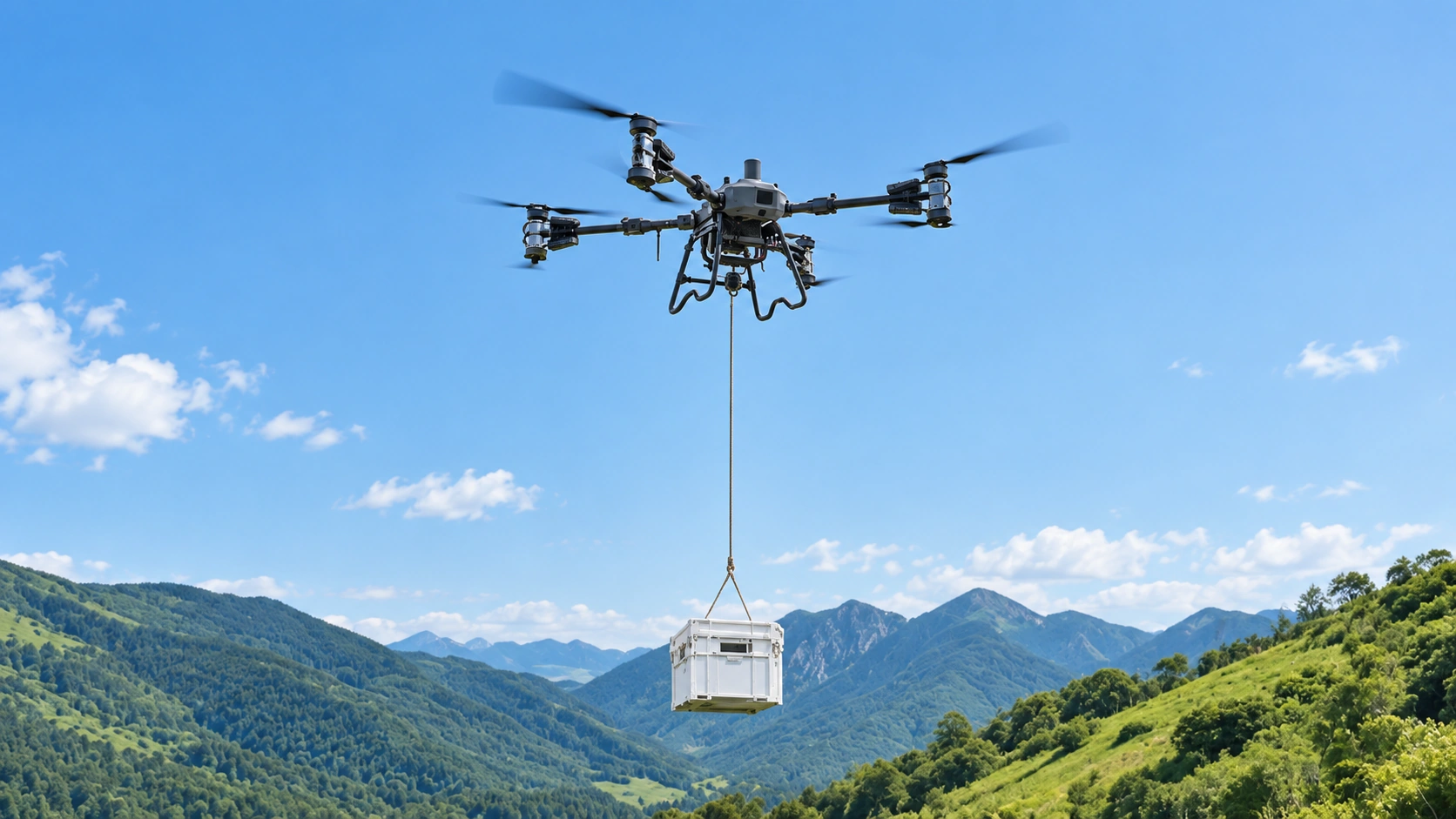
V180 AI-enhanced application scene illustration

Aircraft and package

Review V180 as a task-specific configuration.

V180 appears in supplier lifting material. The exact export package and usable operating envelope require current supplier confirmation.

Aircraft versionConfirm the quoted platform, firmware and installed equipment.

Lifting systemConfirm hook, winch or other task equipment and control method.

Ground operationConfirm battery, charging, crew and site requirements.

Documents and supportConfirm manuals, training, spares and destination-specific paperwork.

Next step

Send the route before asking for a lifting quote.

Include load, dimensions, distance, elevation, work cycle and destination. We can then ask the supplier to review a suitable configuration.

Purchasing questions

Before you request a quotation.

What information is needed for a cargo drone proposal?

Send load weight and dimensions, route distance, elevation difference, altitude, temperature and pickup and delivery conditions. Include the intended lifting or release method and destination country.

Can I use a brochure payload figure for my route?

A headline payload is not a complete route assessment. Ask the supplier to confirm the configuration and performance conditions for your load, route and environment.

What should be confirmed before ordering?

Confirm the aircraft version, lifting equipment, control method, battery and charging package, operating documentation and local permissions applicable to your project.
Continue your review

Equipment, parts and project support.

Make heavy-lift drone quotations comparable

Review your cargo lifting project

Complete suspended load

Include attachment hardware and container weight with the cargo description. Provide dimensions and the intended attachment arrangement. Ask the supplier which handling components are included. The brochure lifting figure is not a confirmed usable payload for every route.

Route and delivery method

Evidence and acceptance

Ask for current configuration-specific operating information and the conditions attached to any performance figures. Identify the handling assembly, battery package and relevant instructions in the quotation. A photograph with a suspended load is not a substitute for the project review.

Order and replacement records

Continue your equipment review

Review V180 equipment

Compare the supplied model information with the complete load and route requirements.

Describe the lifting site

Include receiving access, elevation and handling arrangements.

Understand payload questions

Distinguish cargo weight from the complete suspended load before comparing equipment.

Images show equipment and potential applications. Final hardware, task assembly and package contents are confirmed in your model-specific quotation.

Heavy lift cargo drone equipment: start with payload and route

For a cargo drone quotation, define the transported item together with its container and attachment hardware. Include the route distance, launch and receiving locations, elevation difference and handover method. NAVIRO offers V180 sourcing enquiries with configuration review. A headline lifting figure cannot confirm suitability for a route or establish that a particular winch or attachment is included.

Load

Cargo dimensions and combined mass including the proposed container and handling components.

Route

Distance, elevation difference, site access and the intended launch and receiving arrangements.

Equipment scope

Identified handling assembly, its applicable limits, supporting ground equipment and available instructions.

Related reading