
Home / Applications / Cargo Drones for Remote-Site Lifting Projects
Cargo Drones for Remote-Site Lifting Projects
Assess a remote lifting task with the load, elevation and receiving location together. NAVIRO coordinates a supplier configuration review before a V180 lifting package can be recommended.
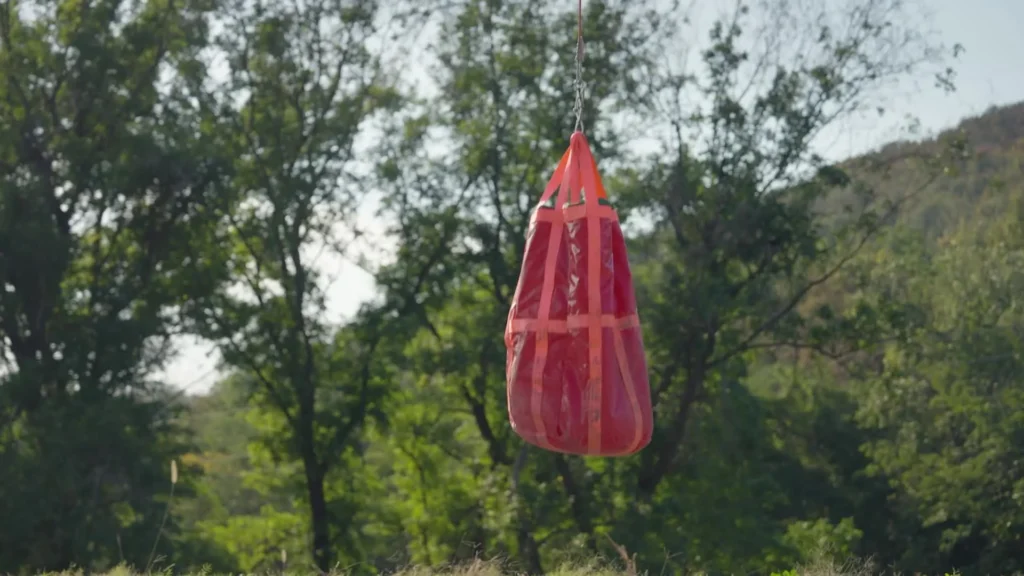
Define the route from both ends
A remote-site enquiry needs more than a distance on a map. Send the pickup and receiving coordinates, approximate elevation difference, site photographs and access arrangements for the ground team. Identify obstacles and explain whether the aircraft can land at the receiving point or whether another delivery method is required. The proposed method must be reviewed for the quoted equipment.
Describe the load as an assembly
Include the full load weight, dimensions, packaging and attachment arrangement. Identify anything fragile, loose or liable to shift. Ask the supplier what load-handling components are proposed and whether they are part of the offer. A maximum lifting figure does not confirm suitability for an awkward load or a particular attachment method.
Request performance for the proposed mission
State route distance, altitude, elevation change, expected environmental conditions and task frequency. Ask for the supplier’s performance information and operating limits for the exact load and aircraft version. Do not apply another brand’s payload-range chart to V180. A site review may identify reasons to change the package or use another transport method.
Include the support and receiving teams
Explain charging access, aircraft transport, communications and the receiving team’s working area. Request the operating documents and the scope of any offered training. The equipment proposal should identify who handles the load and how the handover is planned. Permissions and operating arrangements must be resolved for the destination and site before use.
Your next steps
Review the equipment category, prepare your task information and request the supplier configuration relevant to your purchase.
Prepare a remote-site lifting brief
On smaller screens, scroll the table sideways to read all columns.
| Requirement | What to send or request | Purpose |
|---|---|---|
| Route | Pickup, receiving point, distance and elevation | Supports route assessment |
| Load | Weight, dimensions, packaging and attachment | Defines handling requirements |
| Site | Photographs, obstacles and access | Clarifies the operating environment |
| Daily work | Lifts, charging access and ground support | Frames the proposed operating package |
Purchasing questions
Is a mountain delivery route automatically suitable for V180?
No. The supplier must review the load, route, environment and configuration. This page accepts project enquiries; it does not confirm route feasibility.
Is a winch included?
A winch is not assumed to be included. Describe whether you need landing, lowering or another handover method and request an itemized load-handling proposal.
Send a remote lifting project brief
Send your load weight and dimensions, route distance, elevation, site photographs, delivery method and destination. We will use your brief to request the relevant supplier configuration and quotation scope.
Continue your equipment review
Review V180 equipment
Compare the supplied model information with the complete load and route requirements.
Understand payload questions
Distinguish cargo weight from the complete suspended load before comparing equipment.
Compare the equipment
Explore the agricultural, cargo and fire-response model families.
From your job to a package
Review the configuration and commercial scope before committing to an order.
Describe the job
Share your country, application, field or lifting requirements, quantity and working conditions.
Review the proposal
Compare the aircraft, installed task assembly, power equipment, spare parts and document requirements.
Confirm the scope
Confirm the revision, included equipment, availability, delivery terms and support arrangements in writing.
Coordinate delivery
Review the packing, freight and export documents appropriate to your agreed order and destination.