
Crop spraying drones for agricultural applications
Buying a crop spraying drone? Start with the crop, prescribed application volume and field layout. Compare the aircraft, installed spray system and ground-support equipment as one package.
NAVIRO coordinates equipment sourcing and export enquiries. Use the field examples below to prepare a purchase brief for your farm or spraying business.
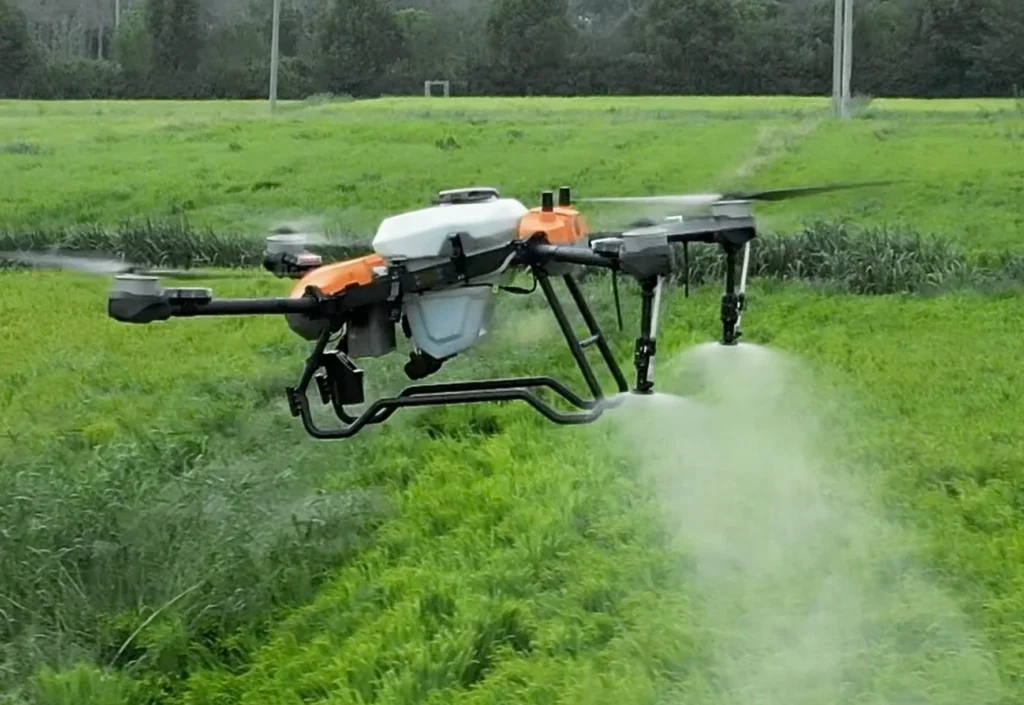
Choosing a drone herbicide sprayer or pesticide spray system
Start with the named treatment product and the proposed spray assembly. The aircraft tank size alone does not confirm that a herbicide or other pesticide can be used with that configuration.
Information to send with the enquiry
- Exact product name and available label or equipment-use documentation.
- Crop, block areas, terrain and intended application requirements.
- Whether this is a new aircraft package or a change to an existing spray system.
- Destination, quantity, refill access and available charging power.
Information to confirm in the quotation
- The specified pump, tank, hoses, seals and nozzle or atomizer assembly.
- Which product-compatibility documentation supports that configuration.
- The conditions behind any output or coverage figure.
- Applicable cleaning instructions, replacement parts and any unresolved checks.
Keep the decisions separate: equipment selection does not establish permission to apply a particular product. Product-use and operating requirements need to be checked for the intended location. This page does not recommend a chemical, treatment rate or flight setting.
What if the same aircraft will handle more than one material?
List each intended material before ordering. Request the equipment and product-specific cleaning documentation, and ask which components or separate assemblies are required. Do not treat a general liquid-spraying specification as proof that every material is compatible.
For nutrition applications, review liquid fertilizer equipment. For an installed system, use the spray pump and nozzle identification checklist.
Match the purchase brief to the field layout
The useful question is how the equipment will be deployed across your fields, not only how many litres the tank holds.
Rice and paddy blocks
Describe separated blocks, access tracks, preparation locations and movement between refill points.
See the rice spraying drone page for paddy-block equipment.
Row-crop fields
Provide crop identity, individual field-block areas and the intended application. Distinguish total farm area from one operating block.
See the row crop spraying page for row-crop equipment.
Multiple sites
Include travel between blocks, available power, water access and the vehicle space for the equipment.
Small fields and family farms
A small spray drone package suits separated small blocks when refill points and charging stay close to the work. For farming spray drone use on family farms, the brief that matters is block size, access tracks and water access — send those three and the shortlist can be matched to the fields rather than to the largest tank. The model references below include task-system options for smaller operations as well as the flagship FP800.
What to include in a crop spraying drone enquiry
Compare proposals against the same field brief. Include application volume in litres per hectare, not just the tank size, and identify the refill and charging arrangements.
Planning example, not an aircraft performance claim: 20 hectares at a prescribed 10 L/ha requires 200 L of liquid application in total. That calculation does not predict flight time or hectares per day. Use the treatment instructions and your qualified local adviser to establish the application rate.
On smaller screens, scroll the table sideways to read all columns.
| Input | Buyer information | Equipment question |
|---|---|---|
| Crop and application | Crop, growth stage, intended treatment and prescribed application volume. | Which pump and nozzle or atomizer are included? Ask for the documented output range for that setup, the conditions behind it, and the part references for replacements. If you already have a spray system, use the spray pump and nozzle identification guide to check what to send. |
| Field layout | Block areas, photographs, terrain and obstacles. | What relevant limitations and demonstration conditions are documented? |
| Ground support | Refill access, power supply, crew and transport space. | Which battery, charger and supporting components are included? |
| Purchase scope | Destination, quantity and requested delivery window. | What is included in the itemized offer? |
Aerial spraying with drones: what decides the work plan
Aerial spraying drones apply the prescribed liquid volume from the air instead of from a ground rig, which is why buyers also search for drone aerial spraying and aerial spray drone equipment when fields are wet, terraced or split into separated blocks. What decides the daily work plan is not the aircraft alone: application volume in litres per hectare, refill time, charging arrangements and movement between blocks all count, as the planning example above shows. Include those four inputs in your enquiry and the proposed aerial spraying package can be compared on the same basis.
Plan the equipment for your own farm or a spraying business
For your own fields
List individual field areas, access routes, refill points and available charging power. Include the prescribed application volume and treatment window in your equipment enquiry. These inputs help you compare suitable configurations without relying on tank capacity alone.
For work across several customer sites
Include travel time, vehicle space, changing water and power access, and the parts you need to carry. Ask each equipment supplier to itemize the aircraft, spray assembly, batteries, charger and replacement components so the offers can be compared on the same basis.
For different treatment products
Confirm the intended application with a qualified local adviser and follow the product label and local rules. Ask for the documented material compatibility, output range and cleaning instructions for the proposed spray system. Buying an aircraft does not establish permission to apply a particular product.
For the steps before and after field work, see drones in the wider farm workflow.
Choose an agricultural drone sprayer for your fields
Compare the installed spray assembly, batteries and charger alongside the aircraft. Start with your application volume, field layout and available power, then check the current datasheet for each shortlisted model. The agricultural drone comparison brings the documented specifications together; the individual model pages explain configuration options.
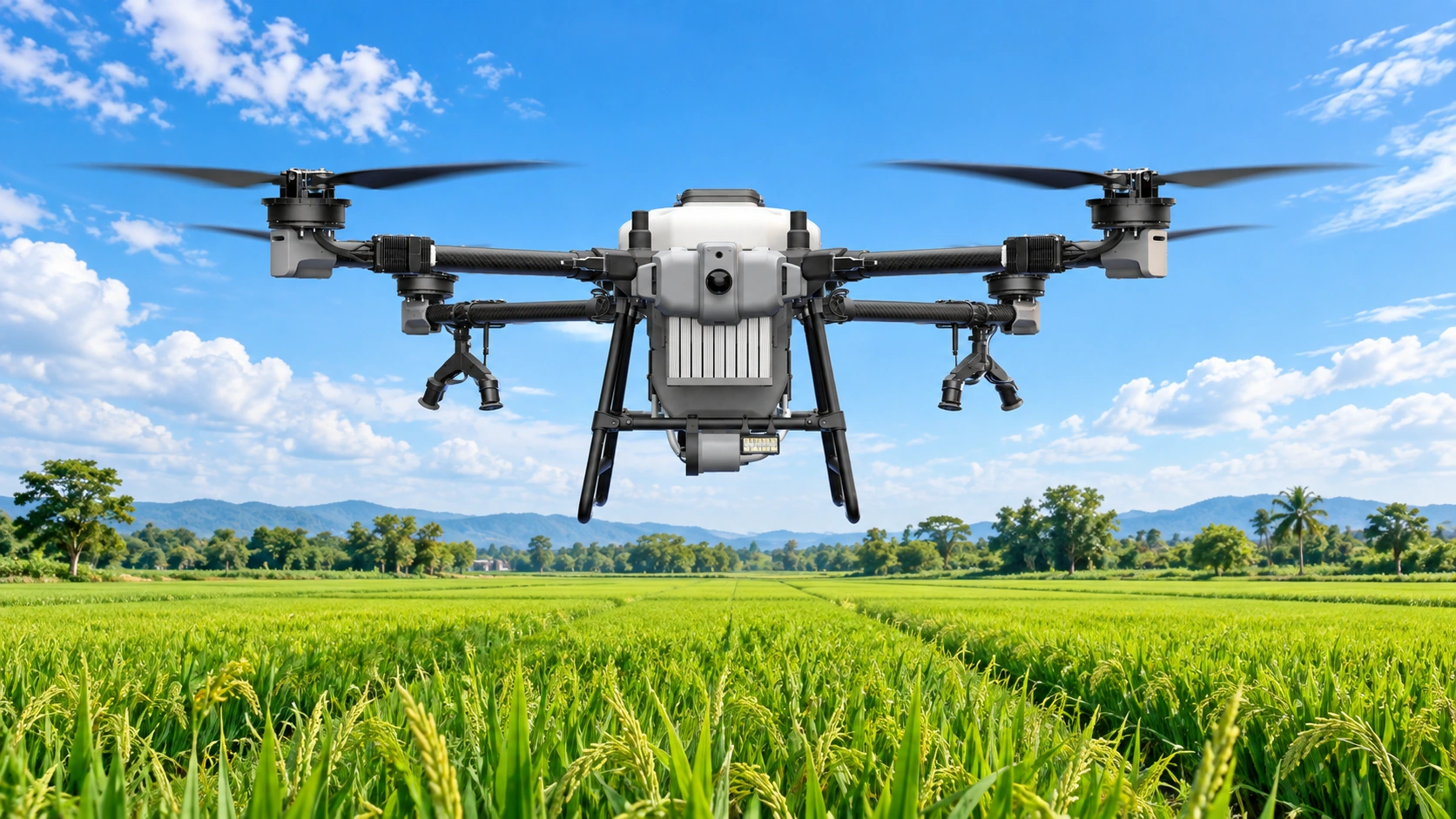
FP800
The FP800 manual distinguishes 75 L rated and 80 L maximum spray capacity. Review that distinction and the optional spreading assembly before comparing packages.
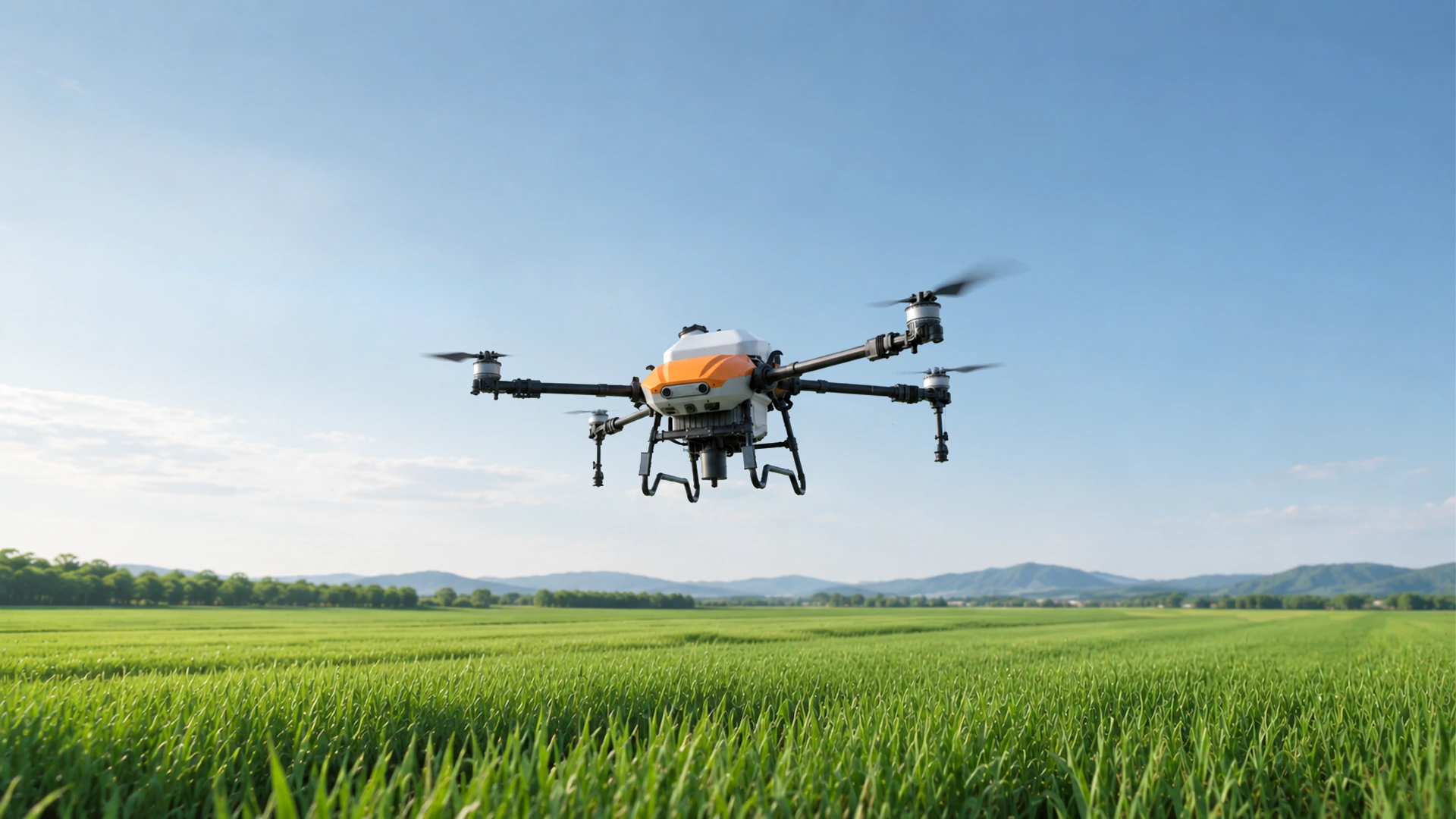
V80
Review the V80 spray assembly, controller and power equipment as a matched package. Check the current model specifications rather than treating it as interchangeable with the FP800.
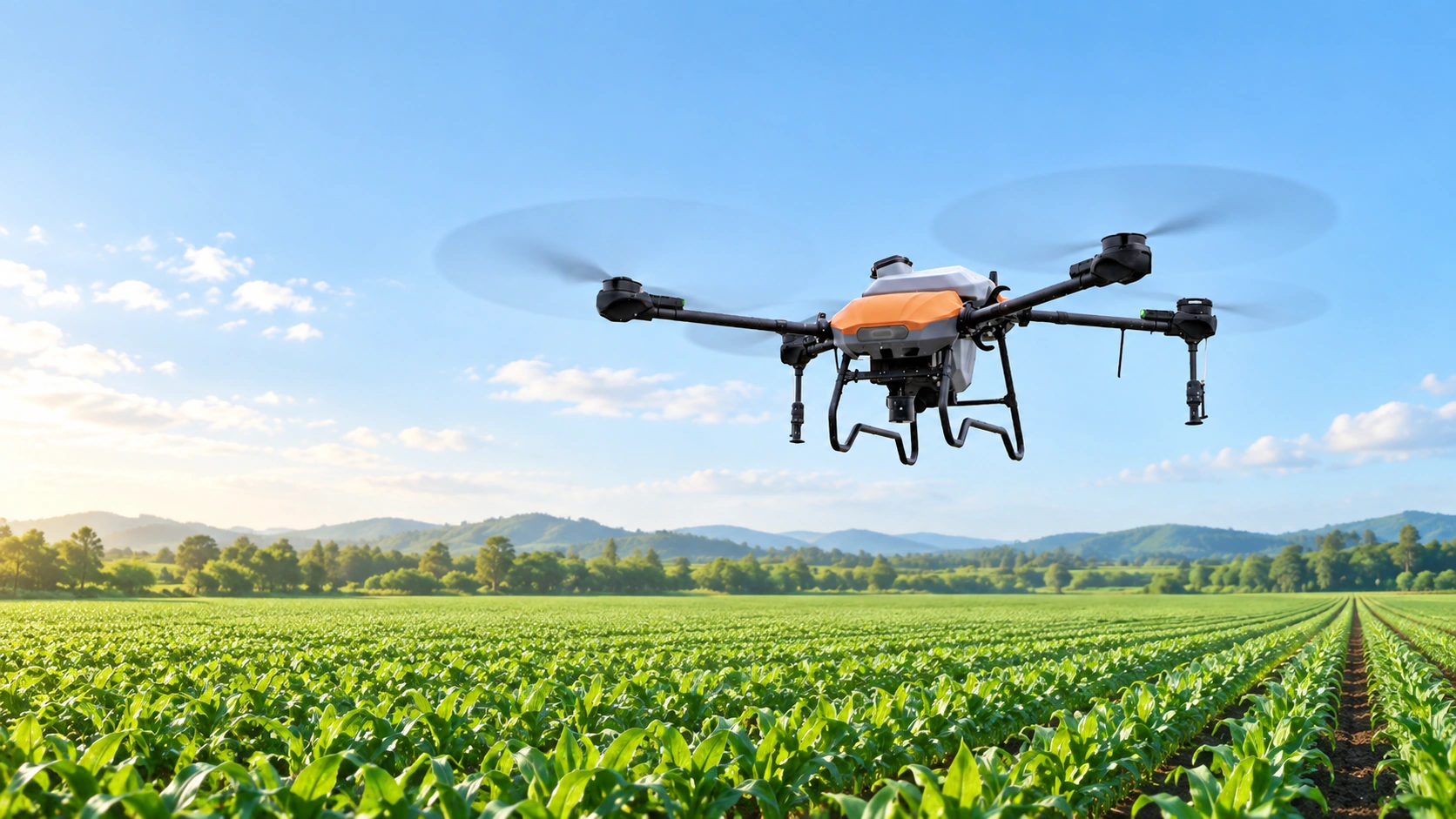
HD580
Open the HD580 specification reference to compare the spray system, power equipment and transport dimensions against your field brief.
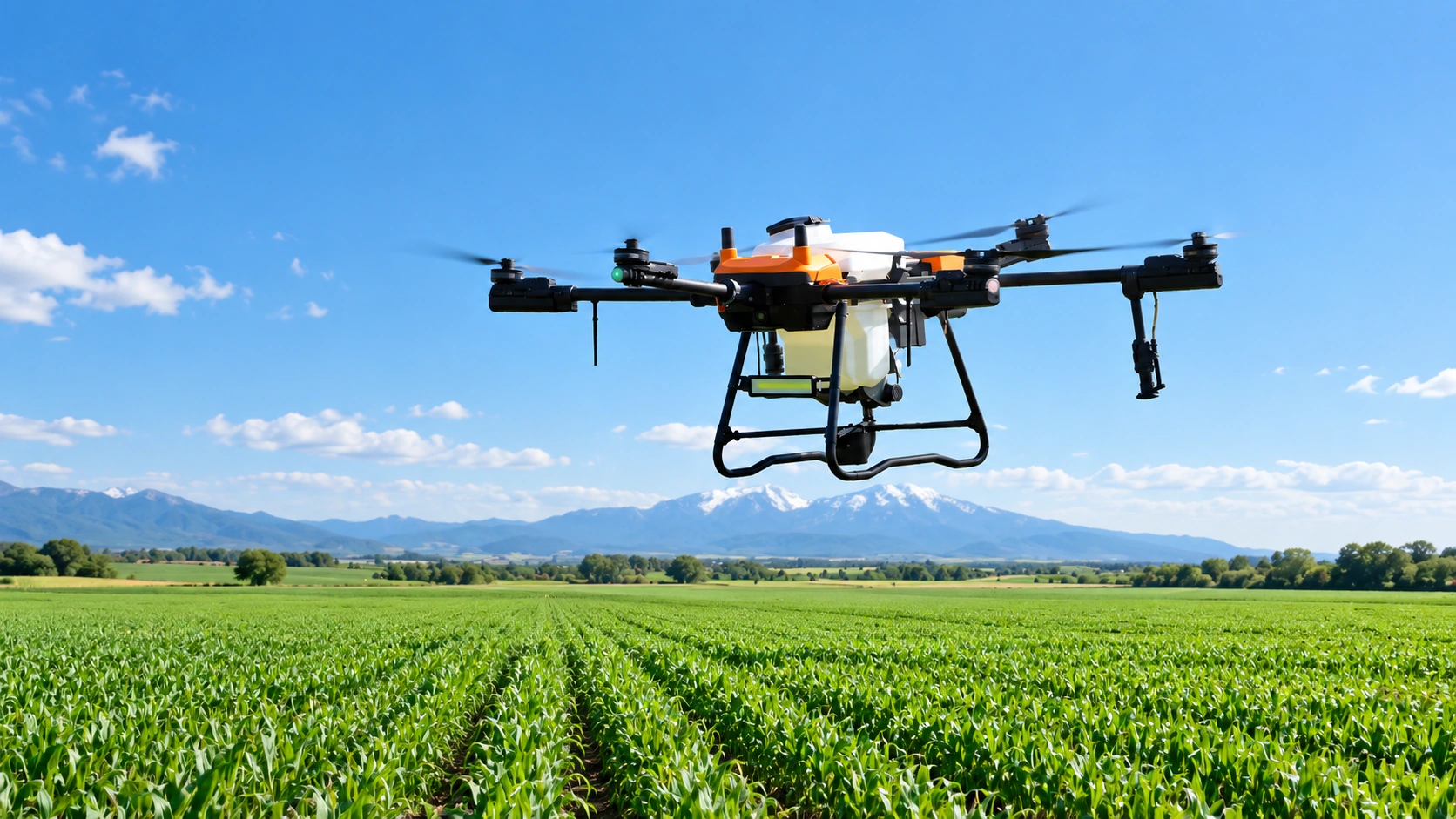
HD540S
The current HD540S catalogue lists a 40 L spray tank. Review the installed nozzle option, HRC2 controller and charging package on the model page.
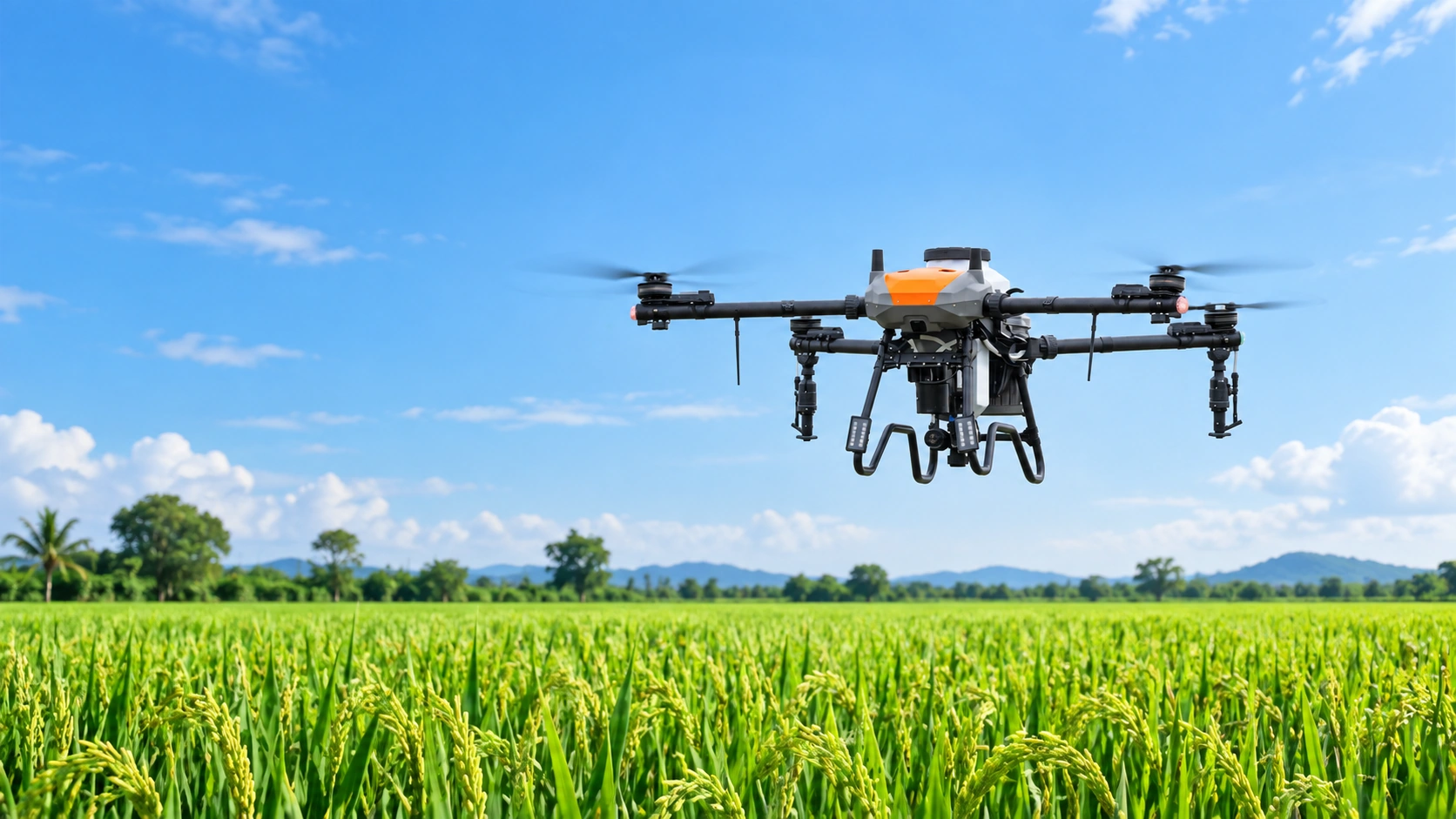
HD525
Review the HD525 task-system specifications and transport setup. Ask for the included batteries and charger when comparing the complete purchase cost.
Separate task: granular fertilizer or seed application requires a suitable spreading assembly. See fertilizer spreading equipment; liquid tank capacity does not establish granular payload.
Review seed broadcasting equipment for seed material requirements, or liquid fertilizer drone configurations for formulation compatibility.
Spray drone spare parts to include in your enquiry
Identify the installed spray system before ordering replacements. Ask for an itemized parts list alongside the aircraft quotation.
- Nozzles or atomizers: confirm the exact assembly and replacement part reference.
- Pump, seals and hoses: match the model revision and documented material compatibility.
- Filters and strainers: ask which replacements and maintenance instructions apply to the supplied system.
For an existing machine, send the model, serial or revision information, and clear photographs of the component and its label. Use the spray pump and nozzle identification guide to prepare the request. Follow the equipment and treatment-product instructions for cleaning; do not use a general flushing routine for every material.
Crop spraying equipment questions
An agricultural spraying drone is one part of the field setup. These questions explain how tank size, task assemblies and ground support affect the equipment brief; they do not replace product instructions or local operating requirements.
Is a crop dusting drone the same as a crop spraying drone?
When requesting a crop dusting drone, specify whether you need liquid spraying or granular application. The required task assembly, material compatibility and load limits must be checked separately.
Can tank capacity predict acres covered per day?
No. To estimate how many acres a spray drone can cover, compare application volume, usable load, refill time, battery rotation and travel between blocks. Ask for the conditions behind any supplier output figure. The planning example above calculates total liquid required; it does not predict daily coverage.
Does NAVIRO provide a local spraying service?
NAVIRO coordinates equipment sourcing and export enquiries. We do not provide local field spraying services or prescribe chemical treatments.
Can one spray system handle different treatment products?
Compatibility must be checked for the proposed tank, pump, hoses and nozzles or atomizers. Provide the intended product information and ask for the equipment’s documented compatibility and cleaning requirements. Follow the product label and applicable local rules; the aircraft alone does not establish suitability or permission to apply a product.
Can the drone apply liquid and granular fertilizer?
Liquid application and granular spreading require different task assemblies. Confirm compatibility for the intended liquid formulation, or the material requirements and permitted load for a spreading assembly. Tank or hopper volume does not establish material compatibility. See the fertilizer spreading equipment requirements.
Can a spraying contractor buy a complete equipment package?
Yes. Include the aircraft, controller, spray assembly, batteries, charger and initial spare parts in your request. Describe travel between jobs and the water, power and transport available at each site. Use the contractor equipment checklist to prepare the ground-support requirements.
Can these drones replace an irrigation system?
The configurations offered here are for agricultural application work, not bulk irrigation. If your requirement is watering a crop, specify that separately rather than selecting a drone by spray-tank capacity.
How much does drone spraying cost?
A contractor’s local service charge and the cost of buying equipment are different budgets. NAVIRO prepares equipment quotations. Ask for the aircraft, task assembly, power equipment, spare parts, packing and freight to be listed separately. Start with the agricultural drone price guide and available spray drone models.
For named models on your shortlist, review the published package discussions for EAVision J150 and DJI Agras T70P. If local service support is central to the decision, review the Agri Spray comparison.
How should I compare spray drone battery life?
Separate flight time per charge, charging time and battery service life. Ask for the conditions behind each figure, including payload and the stated battery condition. For a working-day plan, also confirm how many batteries rotate through the charger and whether site power supports that schedule. See the battery and charger identification guide.
Should I choose drone spraying or a tractor sprayer?
Compare both against field access, terrain, application requirements, available equipment and total operating cost. A drone may avoid driving through the crop, but that alone does not establish coverage quality or lower cost. Review the drone and ground-spraying comparison.
What should I check for hilly or terraced fields?
Send terrain notes, block photographs, obstacles and proposed take-off and refill locations. Ask the supplier to compare those conditions with the exact model’s documented operating limits. Terrain-following features do not establish suitability for every slope or obstacle arrangement.
How do I compare tank capacity in litres and gallons?
First check whether the quotation uses US or imperial gallons, then convert both offers to the same unit. Also distinguish rated from maximum capacity: the FP800 reference distinguishes 75 L rated and 80 L maximum spray capacity, while the current HD540S catalogue lists a 40 L spray tank. Use the agreed model revision in the final quotation.
Buying guides for your equipment package
Request a configuration-specific quotation
Send your destination, quantity, task and model if known. NAVIRO coordinates equipment sourcing and export communication; the current offer confirms the supplied configuration and availability.