Category: Uncategorized

  • DJI Agriculture Drones (Agras) Explained: Range, Prices and What to Check (2026)

    DJI Agriculture Drones (Agras) Explained: Range, Prices and What to Check (2026)

    DJI Agricultural Drones: The Agras Series, Pricing and Key Considerations

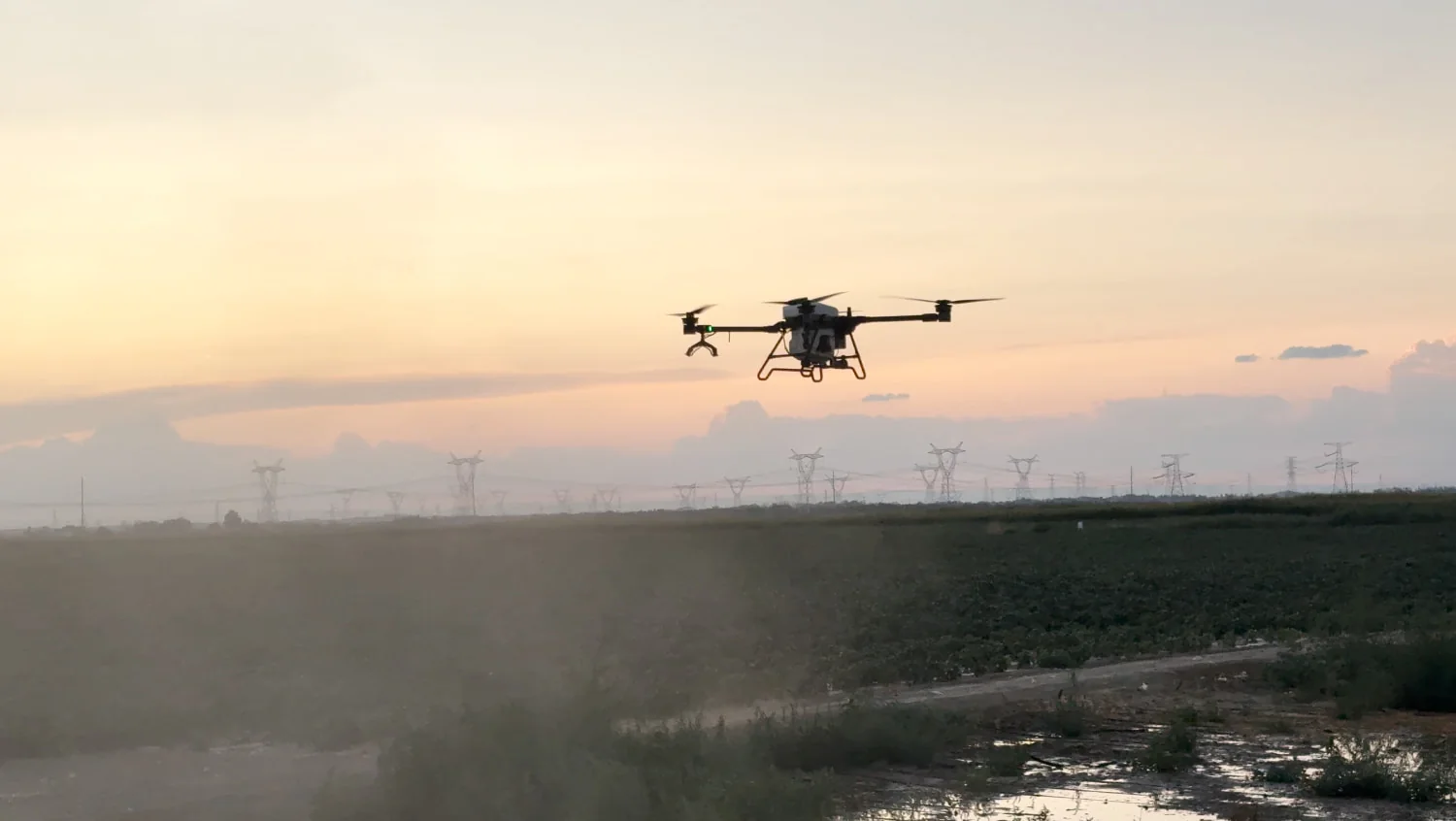
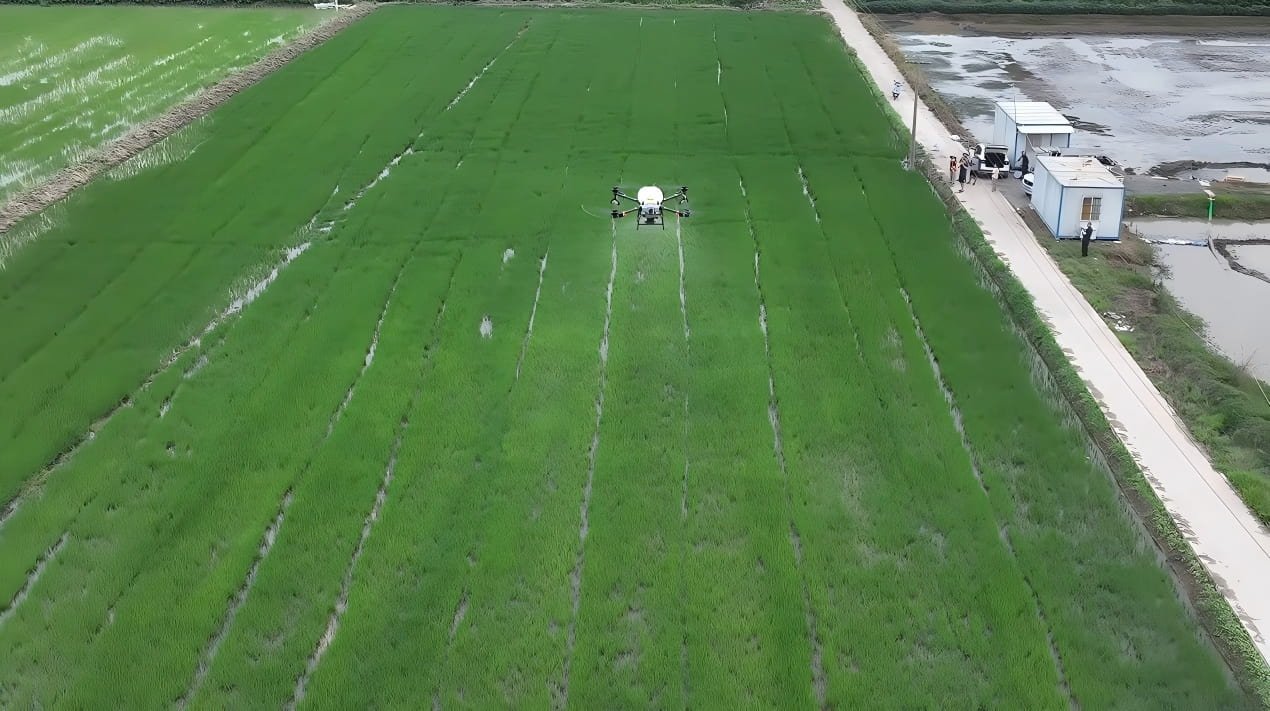
    DJI’s agricultural drones—the Agras series—are the first products most buyers of spraying drones will search for, and this range is indeed very capable. What frustrates buyers is not the equipment itself, but the fact that DJI does not publish a standard global price for its agricultural spraying drones; they are sold exclusively through authorised dealers, and quotes from different dealers can vary by several thousand dollars; Furthermore, the products are sold as bundled packages, making it virtually impossible to compare two quotes for the same drone. This page provides a detailed explanation of the Agras series’ product structure, guidelines for interpreting published prices, and key points to verify before committing to any dealer’s quote.

    Agras Series Overview

    The Agras product range is categorised by tank capacity. The T30 belongs to the 30-litre class, the T40 and T50 to the 40-litre class (the T50 is a new-generation model featuring higher flow rates and updated sensor technology), whilst the T100 is the flagship heavy-duty model, launched in 2025 and designed specifically for large-scale operations. Smaller models, such as the T25, are aimed at entry-level users and orchard operations. Most medium-sized farms and service operators ultimately opt for models in the 40-litre class, which is why so much price research focuses on this category. For the newer large model, see what the DJI Agras T70P actually costs. For the 30-litre class, see DJI Agras T30 prices in the US and China. Buyers sometimes confuse the Talos T60X with DJI models, so check the Talos T60X’s price, checked model by model before comparing. For entry-level and orchard use, see DJI Agras T25 pricing and what’s included.

    Model Class US List Price
    Agras T40 40-series $19,999 for the airframe only; $26,519 for the ready-to-fly kit (authorised dealer quote)
    Agras T50 40-series, next-generation Approximately $24,500–28,600 for the operational kit (dealer quote, October 2026)
    Agras T100 Flagship heavy-duty model $39,999 Ready-to-Fly Kit (US pricing)

    Please treat all figures as indicative rather than exact prices: as explained in the next section, the actual prices of DJI agricultural drones depend on the dealer, package configuration and country of purchase.

    What buyers call them: DJI sprayer drones and Agras spray drones

    Start with the names, because the search terms are inconsistent. One dealer lists the same aircraft as a dji sprayer drone, while another calls it a dji spraying drone, and DJI itself simply says Agras. In the plural, listings talk about dji agras spray drones. Others shorten the same phrase to agras spray drones; both wordings describe the product line covered in the overview above.

    The framing changes with the buyer. A farm owner usually searches for a dji drone for agriculture — one machine, one farm, one job to finish. Dealer marketing aimed at the same audience talks about dji farm drones, as if the range were designed farm by farm; in practice the Agras line is one platform in several tank classes, and the fit for a given farm comes from the class and the package, not from a separate farm model. When a listing says agras drone in the singular, it normally means one aircraft from that line — check which class, because the price difference between classes is larger than the difference between most dealers.

    Why is there such a wide variation in the prices of DJI’s agricultural spray drones?

    There is no standard official price to refer to. DJI sells its agricultural drones through a network of authorised dealers and has not published a standard global price. Individual dealers set their prices based on quotas, delivery costs, import duties and their own profit margins.

    Bundled sales make price comparisons difficult. Some quotes include eight batteries and a generator; whilst others include only the drone itself. For equipment intended for all-day spraying, battery packs account for half the system’s cost; consequently, packages with lower listed prices often entail a higher actual purchase cost.

    Pricing varies by region. The listed price for the same DJI Agras agricultural spraying drone differs significantly across North America, Latin America and Asia, due to variations in distribution channels and tax policies. Price screenshots from other continents should not be used as a reference for your local market.

    New models drive price fluctuations for older models. With the T50 positioned above the T40 and the T100 at the top of the range, the pricing of previous-generation models increasingly reflects dealers’ stock levels. Discounts may be genuine—provided the batteries are brand new. Please enquire about the date of manufacture.

    Another model: factory direct sales

    DJI’s model is not the only way to purchase this type of equipment. Our product range is sold to export markets via factory direct sales: the HD540S, which is also in the 40-litre class (40-litre spray tank, 60-litre spreader tank, maximum flow rate of 24 litres per minute, 10-metre working width), and the higher-spec HD580 (70-litre spray tank, 100-litre spreader tank; data sourced from the supplier’s manual). For export buyers, the following structural differences are crucial:

    • One written specification, one price. Batteries, chargers and a starter parts kit are itemised in the quotation before the deposit is paid; they are not included in a ‘package’ in an opaque manner.
    • No dealer mark-up on parts. Pumps, nozzles, motors and batteries are priced at factory rates throughout the machine’s service life.
    • You liaise directly with the export team that defines the machine’s specifications , not with a sales representative working from a price list.

    Where does the dealer model still come out on top, quite frankly: a good local DJI dealer offers walk-in service and immediate access to spare parts in your town. If that network is strong in your region and the prices are fair, it’s worth it. The comparison only makes sense when both options are presented as complete, operational set-ups – which is the approach this page recommends for any brand, including our own.

    The software and paperwork side: farm platforms and US compliance

    An Agras purchase is not only hardware. DJI’s operating and fleet software appears under more than one name depending on the market and the version, and buyers regularly arrive with the name they were given locally. Many start from the dji smart farm web portal — the same address typed without the space, dji smartfarm web, is the other common form of the search. Fleets and dealers in several markets know DJI’s management platform as agms dji instead. The agms dji us variant of that search usually comes from US buyers checking whether the platform side of a package is available and supported for them. Whichever name your dealer uses, ask which platform your package is registered on, in which country the operating data is held, and what happens to that access if you change dealers — those answers are part of the purchase, even though they never appear on a price list.

    US buyers have a second checklist that buyers elsewhere do not: federal restrictions affecting Chinese-made drones. Searches for an ndaa compliant drones list come from buyers — often public-sector, utility or federally funded operators — who must check a model against the National Defense Authorization Act restrictions and the FCC Covered List before any purchase is approved. Where a given DJI model stands under those rules depends on the buyer type and the year, so treat any screenshot or forum answer as out of date until your dealer confirms the exact model’s current status in writing. If your funding rules exclude a brand, that is a specification question to settle before comparing prices, not after a deposit is paid.

    Questions you should ask any DJI agricultural drone distributor

    Is this price for the aircraft or for the operational kit? Ask for a written list detailing the number of batteries, the charger, the generator and the spare parts.

    How much does the second set of batteries cost, and how old are the batteries included? The cost-effectiveness of the batteries determines the second season, not the first.

    Who is responsible for maintaining the Agras drones in my region, and what are the prices of spare parts? Ask for the spare parts price list, with detailed prices, before signing.

    Does the quote include transport costs or is it ‘ex works’? Cross-border quotes often differ by between 20 per cent and 40 per cent once transport costs and customs duties are added.

    Frequently Asked Questions

    What will DJI’s agricultural drones cost in 2026?

    There is no single price. Verified prices in the US range from $19,999 for a single T40 unit to $39,999 for a ready-to-fly T100 package, although each figure varies depending on the distributor, the package and the country. Use the table above as a guide and request detailed quotes.

    Which DJI crop-spraying drone is suitable for a medium-sized farm?

    Most medium-sized farms fall into the 40-litre class (T40/T50 level): a tank large enough to be efficient on open fields, but small enough to manoeuvre quickly on mixed plots. Above this class, daily output depends more on battery life and recharging logistics than on the aircraft itself.

    Are DJI Agras drones the only serious option?

    They are the most widely used, with the most extensive dealer network. Manufacturers selling directly from the factory in the same categories compete on transparency regarding configuration and parts pricing throughout the product’s lifespan. Compare full quotes, not just the headlines, and either option may prove to be the best depending on the service network in your region.

    Can I buy a DJI agricultural drone directly from DJI?

    In the case of agricultural models, DJI sells them through authorised distributors rather than directly to farms. If you would like to purchase directly from the manufacturer — that is, the ‘direct from factory’ model described above — please send us your country, the type of crop and the number of hectares, and we will send you a written quote with the relevant configuration.

    Comparing DJI with a factory-direct option? See the DJI Agras T40 price page, the HD540S and HD580, and the full cost breakdown in our agricultural drone price guide. To get a written quote, message us on WhatsApp +86 177 5122 0949 or use the request a quote form.
  • The 5 Best Countries to Sell Spray Drones In Right Now (A 2026 Dealer’s Ranking)

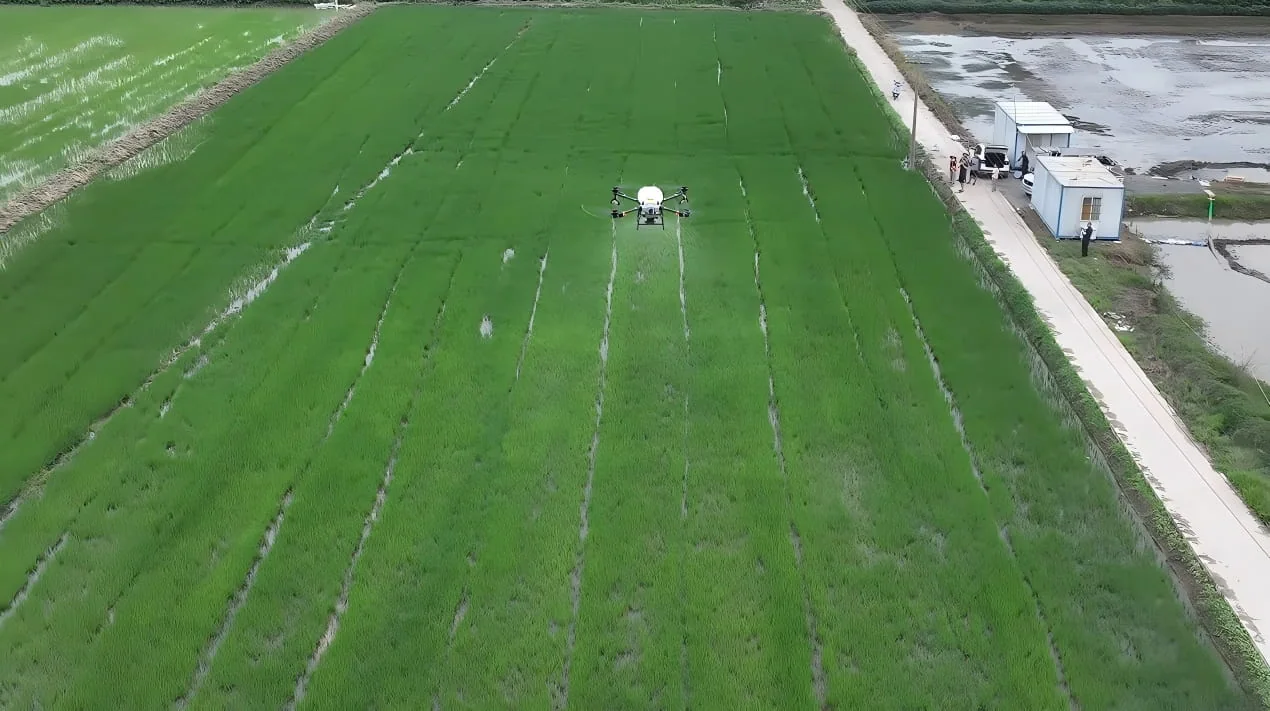
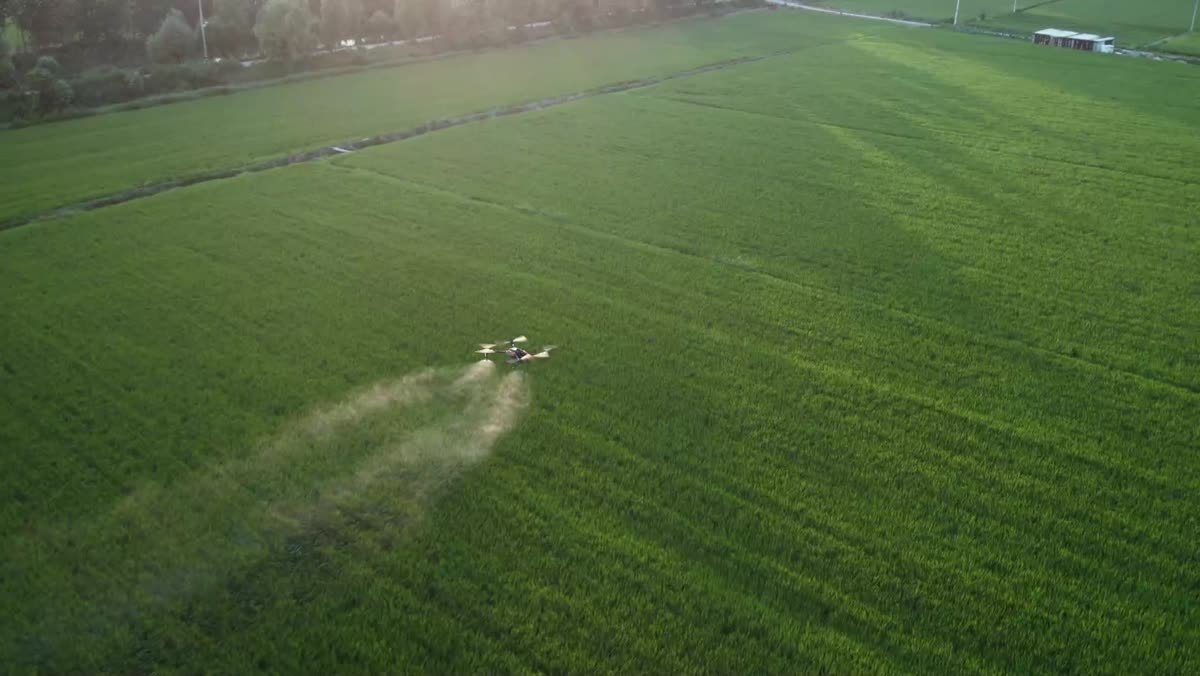
    The 5 Best Countries to Sell Spray Drones In Right Now (A 2026 Dealer’s Ranking)

    The 5 Best Countries to Sell Spray Drones In Right Now (A 2026 Dealer's Ranking)

    The message came in at 11:40 at night. A farm-input dealer from São Paulo, found us through a Google search, and his first question wasn't about price. It was: "If I add spray drones to my business, which market should I actually start with?"

    We get some version of that question every week now. Dealers don't lack ambition. They lack a shortlist they can trust, because most "top markets" lists online are just report vendors selling PDFs.

    So here's our answer, the way we'd give it on WhatsApp. We scored nine candidate markets on six things that actually decide whether a dealer makes money: verified demand, how clear the rules are, whether you can find channel partners who already sell to farmers, payment risk, competitor density, and which of our machines fits the fields. Brazil and Vietnam come out on top. Not because they're the biggest headlines, but because they're where a new dealer has the shortest path to a first profitable year.

    The numbers below come with sources and dates. Where we only have an estimate, we say so.

    Why most dealers pick the wrong first market

    The mistake is chasing the biggest headline number. A dealer reads that some market is "worth billions" and assumes opportunity. But a big market with locked-in distributors, murky registration rules, and buyers who can't pay you is not an opportunity. It's a trap with good PR.

    What actually matters for your first market is much more boring: can you register and fly the machine legally without a lawyer on retainer, is there a dealer network you can join instead of building from zero, and will the buyer pay in a way your bank accepts. Get those three right and the headline numbers take care of themselves.

    The ranking

    We weighted demand highest (30%), then regulatory clarity (20%), channel access and payment safety (15% each), and competitor density plus machine fit (10% each). Full methodology is in our research notes. Scores out of 5.

    Market Score One-line verdict
    Brazil 4.45 Biggest verified boom; big farms fit 80L-class machines
    Vietnam 4.10 Fastest path to first sales; rice + service-entrepreneur model
    Thailand 3.85 Mature replacement market, but don't fight the Kubota channel
    Mexico 3.80 Avocado and orchard stories; start with content
    UAE 3.70 Small, clean, and pays on time

    Indonesia, the Philippines, Argentina and parts of Africa scored lower, mostly on payment risk or regulatory fog. They're not dead. They just need a trigger event before you spend real money there. We'll get to that.

    1. Brazil: the boom is real, and it's not where you'd expect

    Brazilian drone spraying went from 3.4 million hectares in the 2019/20 season to 10.4 million hectares in 2024/25, according to Kynetec's FarmTrak data reported by AgroPages in July 2026. The registered fleet went from about 3,000 machines in 2021 to roughly 35,000 in 2025, per the agriculture ministry. That's not a trend. That's a breakout.

    Here's the part most people get wrong: the growth isn't in soybeans and corn. Pastures (5.8 million hectares, up 300% in a single season) and sugarcane (2.8 million hectares) together account for more than 80% of the sprayed area. Big, flat, hard-to-reach land where a drone beats a tractor on access alone. That is exactly where an 80-liter-class machine like our FP800 earns its keep. On small rice paddies an 80L tank is overkill. On a Brazilian pasture, it's the whole pitch.

    The rules are unusually complete for an emerging market. Under 25 kg you register in SISANT; the 25 to 150 kg band that most spray drones sit in needs RAB registration, mandatory RETA insurance, and a CAAR applicator certificate. Every spraying flight gets logged and the records stay on file for two years. Fines can exceed the value of the aircraft, and they can touch your farm credit. Dealers who help buyers stay compliant aren't selling paperwork. They're selling peace of mind, and Brazilian buyers pay for that.

    One honest caveat: only about 7,800 to 8,000 agricultural drones are formally registered (SINDAG, 2024) against roughly 35,000 in operation. There's a gray fleet four times the registered one. Quote the big number if you like, but know what it is.

    The channel map is the real prize. DJI's heaviest local partner is Jacto, the Brazilian farm-machinery giant. XAG rides CNH's precision-ag network. There's even a domestic manufacturer, GTEEX, building machines locally. The pattern is identical everywhere we've looked: the winners partner with companies that already sell to farmers. Farm-input dealers, machinery dealers. Not drone shops. If you're a Brazilian agri dealer reading this, you are the channel everyone is fighting over. Act like it.

    2. Vietnam: the fastest first sale you'll find

    Vietnam won't win on headline size. It wins on speed. Around 10,000 crop spraying drones are already spraying in the Mekong Delta, according to the VNPT UAV Lab (October 2026). The buyer isn't a giant farm. It's a service entrepreneur: someone puts in roughly 300 million dong, flies 500 to 1,000 hectares a season, and builds a spraying business one village at a time. Those entrepreneurs buy machines. That's the whole game for a dealer.

    The policy wind is at your back. Vietnam is openly building a low-altitude economy strategy, with talk of a $10 billion UAV industry and a million jobs over the next decade (Low Altitude Economy Alliance, via SGGP English, October 2026). Da Nang just proposed four designated drone trial zones. Agriculture is named as the most promising application. Targets are targets, but the direction is unmistakable, and direction is what dealers bet on.

    Rice paddies are small plots. The workhorse size is 40 to 50 liters, which is our HD540S's slot, not the FP800's. Sell the right machine for the field and you'll get repeat orders. Push an 80L flagship into a delta paddy and you'll get one sale and a bad reputation.

    English works fine for reaching Vietnamese dealers and service companies. Logistics are short. Payment habits are familiar. For a spray drone dealer who wants revenue this quarter rather than a three-year market-entry plan, Vietnam is the answer.

    3. Thailand: mature, but respect the channel

    Thailand has around 30,000 spray drones in operation by field estimates (AgroPages, February 2026), against about 10,600 officially registered over 25 kg with CAAT. It's a mature market, which means the opportunity has shifted from first-time buyers to replacements, upgrades, and service contracts. That's good business if you price it right.

    The catch is the channel. DJI's biggest distributor in Thailand is Kubota, and the norm in the rice and sugarcane belts is the "three-in-one" dealer: the pesticide dealer is the drone dealer is the service provider. Going around those dealers to sell direct to farmers isn't clever. It's a structural conflict, and you'll burn the exact partners you need for parts and service later. Find the independent agri-input dealers who aren't in the Kubota orbit. They're out there, and they'd like a second brand.

    Regulation is strict but clear: file 12 hours ahead, stay under 30 meters, no night flying, spraying only. Clarity beats leniency every time. You can build a business on clear rules.

    4. Mexico: the orchard story nobody's telling well

    Mexico gets overlooked because everyone's staring at Brazil. Don't. The avocado case that's been circulating is worth more than any brochure: 3,000 hectares, chemical use down from 400 to 60 liters per hectare, costs down 40%, coverage from half a hectare a day to 20. That's a dealer slide that sells itself.

    Eighty percent of Mexican farms are smallholders, which means the service model dominates, same as Southeast Asia. For mountain orchards and high-value crops, a 40L machine fits better than an 80L flagship. Start with content here: a Spanish-language page that does the avocado math honestly will outpull any ad campaign. We'd only build the full Spanish landing page once the English page ranks or the first Mexican dealer inquires. That's our rule for every non-English market, and it keeps us from burning money on translations nobody reads.

    5. UAE: small, clean, and pays on time

    The Middle East and Africa spray-drone market was about $300 million in 2024, heading toward $900 million by 2033 at roughly 14% a year (Verified Market Reports). Saudi Arabia and the UAE together hold about 37% of the region. The UAE itself is a small market. It's also the cleanest entry point in the region: GCAA registration plus a commercial operator authorization with roughly a three-week turnaround, a letter of conformity for imports, and payment culture a full level above the rest of the region. T/T and L/C both work. Nobody asks you to gamble on currency.

    The local demand story is water, not hectares: greenhouses, date palms, water-saving spraying. And here's a free tactic from a local authorized dealer, Aerosmart: they publish the GCAA registration paperwork and tender documents as a lead magnet. Buyers download the compliance pack and become leads. We're copying that move on our own product pages, because it's the smartest dealer marketing we've seen in the region.

    The markets we're deliberately not chasing (yet)

    Honesty section. India has enormous search interest for spray drones, and we get asked about it constantly. We're covering it lightly, not attacking it: local payment behavior and price sensitivity make it a bad first market for an export dealer. That's our call, and we'd rather say it than waste your time.

    The US is a second-tier market for us. Certification barriers are real and the dealer map is already dense. We'll seed content there and revisit.

    Indonesia has a genuine structural barrier: the 30% local-content rule (TKDN) for government tenders. A Chinese-built machine doesn't clear it today. The private palm-oil market is a different story, and that's where we'd start, but the big public money stays fenced off.

    Argentina just opened up: the SENASA exception channel lets producers, cooperatives and universities apply for spray-drone authorization with a 90-day response. That's a real policy reversal from the 2024 position. Commercial scale is unknown, so we're leading with content, not inventory. Early movers get the search traffic.

    Africa is the highest-upside, highest-friction market on the board. The buyers aren't farmers, they're spray-service companies, and the pitch that works is a crew-in-a-box: machines plus training plus spares. First orders only move on confirmed letters of credit or 30/70 T/T. Until our L/C banking lane and the factory's training costs are locked in, Africa stays in the "trigger" column.

    Which machine for which market

    Market Fit Why
    Brazil pasture / sugarcane FP800 (80L spray / 120L spread) Big contiguous blocks; payload math wins
    Vietnam / Thailand / Philippines rice HD540S (40–50L class) Small plots, service model
    Mexico orchards HD540S (40–50L class) Mountain terrain, high-value crops
    UAE greenhouses / dates HD580 / HD540S Water-saving spraying, compliance-led sales

    One thing we'd tell any dealer before quoting: for machines with tanks over 80 liters, China's export license rules changed. Since November 18, 2026, large spray and spread tanks fall under dual-use export control, which means one license per order and one to three months of lead time. We build that into every quote so nobody gets surprised. Ask your supplier whether they do the same. If they look confused, that's your answer about the supplier.

    What could change this ranking

    Rankings go stale. Three triggers would move a market up our list fast: a first inbound dealer inquiry from any country jumps it straight to the top of our content queue; Indonesia carving out an ag-drone exemption from TKDN would unlock the palm-oil public money; Argentina's first batch of SENASA exception approvals landing would turn our content-first position into a sales position. We'll update this page when any of those happen.

    Anyway. If you're a dealer wondering where to start: Brazil for the big ticket, Vietnam for the fast one. Talk to us on WhatsApp and tell us which one you are. We'll tell you straight whether our machines fit your fields, and if they don't, we'll tell you that too.

    FAQ

    I'm an agri-input dealer with zero drone experience. Can I still sell spray drones?

    Yes, and you're actually the profile every manufacturer wants. Farmers already trust you. What you need from a supplier is training for your technicians, a spares pipeline, and honest per-hectare math you can show a grower. The flying part is the easy part.

    How much does it cost to become a spray drone dealer?

    It depends on the brand and the package. Some programs have zero-entry referral tiers; a serious dealership with demo stock, spares and training usually needs a starter inventory purchase. Ask any supplier for the number in writing before you sign anything. We publish our dealer steps on our become-a-dealer page.

    Why shouldn't I just buy the cheapest spray drone I can find?

    Because the cheapest machine with no spares pipeline is the most expensive machine you'll ever own. A dead pump in week three of spraying season costs you the season, not just the part. Our factory is twenty minutes from our office, so when a dealer calls about a dead pump, a replacement ships the same day and we can be on the production line the next morning. Buy the support network, then the drone.

    Do I need exclusivity for my region?

    Probably not, and be suspicious of anyone who demands it from you on day one. What you want is performance-based protection: sell well, keep your territory. We don't do strict exclusivity, but we do protect dealers who perform.

    How long does delivery actually take?

    For standard machines, weeks. For large-tank models affected by China's dual-use export licensing since November 2026, add one to three months for the license, one license per order. Any supplier who promises you faster without explaining the license is either uninformed or lying. Build it into your season planning.

    Brazil or Vietnam: which first?

    If you want the biggest long-term territory and you can handle Portuguese-language operations, Brazil. If you want revenue this quarter with English-language deals and short logistics, Vietnam. Most new dealers we talk to start with Vietnam and expand to Brazil in year two.

    Talk to us about your first market

    Brazil for the big ticket, Vietnam for the fast one — but the right answer depends on your crop, your area and your buyers. Tell us which market you are on WhatsApp, or send a Request a Quote. We will tell you straight whether our machines fit your fields — and if they do not, we will tell you that too.

  • Drone Spraying Services: Hire a Crew or Start Your Own Operation? (2026 Guide)

    Drone Spraying Services: Hire a Crew or Start Your Own Operation? (2026 Guide)

    Drone spraying services: hire a team or become the team?

    The term ‘agricultural drone services’ encompasses two different search queries under a single phrase. Half of the people who search for it are landowners who want a spraying team to come to their land. The other half want to be that team: to buy a drone, offer spraying services per hectare and set up a service company. This page addresses both needs with complete transparency. We do not manage local spraying teams, nor will we pretend to offer a ‘near me’ listing. What we do is manufacture the export-grade equipment that operators need: the drones, batteries and spare parts that service companies rely on.

    If you’re looking to hire a service, the first section explains how to evaluate a service provider and what their prices actually depend on. If you’re just starting out, the second section covers the financial calculations involved in a service operation – this is where most new operators either make their profit or lose it.

    The same service under many different names

    Buyers do not all describe this market in the same words. A farm manager in one country searches for agriculture drone services, while a contractor in another types drone agriculture services and means exactly the same thing. Distributors file both under the wider heading of drone services for agriculture, which can also include mapping and crop monitoring — one more reason a spraying quote needs the questions in the next section before it means anything.

    Shorter labels are just as common. Many regional operators advertise simply as ag drone services. The same crews turn up in farmer forums and co-operative bulletins under the label farm drone services. Listings that spell out the task, such as drone crop spraying services, are usually written by the operator rather than a directory. The formal version, agricultural drone spraying services, tends to appear in tender documents and subsidy programme pages instead. A few operators in South Asia and Africa brand the same offer as agri-spraying drone services — a regional label, not a different category of work. And when a farmer asks a neighbour to recommend an agriculture drone spray service, the answer is almost always a crew’s name and phone number, not a website.

    Location-based searches behave differently again. Typing agricultural drone spraying near me returns whoever has claimed a local business listing, which is not the same as whoever actually sprays in your district. The same applies to agriculture drone services near me: results are ranked on listing data and reviews, not on tank size, licence status or availability in your spraying window. Even the shortest version, drone sprayer near me, mostly surfaces equipment dealers, because dealers maintain their listings while working crews are out in the field. This is also why pages headed agriculture drone services pricing rarely settle anything — a rate copied from another region ignores the application rate, the field layout and the travel distance, which are exactly the variables that move a real quote. The longer version of the same search, agriculture drone spraying near me, returns the same dealer-heavy results, for the same reason: the listings are maintained by the sellers, not by the crews who are out spraying. Buyers looking outside the US have the same problem in reverse — start with buying Agri Spray equipment outside the US and work back to a dealer who will actually ship to your country.

    For farmers: how to hire a drone spraying service

    Look for equipment through operators, not through adverts. Active spraying services are usually found through local dealer networks, farmers’ groups and regional partners of machinery brands. A team that other farmers keep coming back to is worth more than one with a good website.

    Ask what type of machine they use. A 40-litre machine and an 80-litre machine have different rates per job, as their daily coverage varies. Ask about the model, the tank capacity and the working width, and compare the answer with the size of your plots: small, fragmented plots are better suited to smaller, more manoeuvrable machines; large, open plots are better suited to high-capacity tanks.

    Ask for the basis of the price calculation in writing. Prices for drone spraying services are usually quoted per hectare or per acre, and vary depending on the application rate, the terrain, the travel distance and whether the contractor handles the chemicals. A price per hectare that does not take these four factors into account does not allow for a proper comparison between two quotes. Our agricultural drone price guide breaks down the cost structure behind the economics of spraying per acre, should you wish to check whether a quote is reasonable.

    Check the documentation. A licence to apply chemicals, insurance and, in many markets, operator certification are the minimum requirements. A professional team will show you the documents before you have to ask twice.

    For operators: the technical calculations for a crop spraying business

    Your machine is a system, not an aircraft. A working day consists of battery-recharging cycles: the aircraft in the air, the batteries in the chargers, and a generator or the mains supply keeping the cycle going. Specify the operational configuration of any machine — aircraft, number of batteries, number of chargers, spare pumps and nozzles — or you will not be taking the true cost of operation into account.

    Tank size determines your market. A 40-litre class machine (our HD540S model) is agile to handle and suits the fragmented work patterns of smallholders. A 70–80-litre class machine (the HD580 and the FP800, with their 80-litre spray tank and 120-litre spreader hopper) excels on large plots and in contract work, where stoppages to refill take up a large part of the working day. Many established operators use one of each type rather than forcing a single machine to cover both markets.

    Spare parts determine your season. A spraying service sells working days, and a machine that is idle for three weeks whilst waiting for a pump sells nothing. Before buying, work out the cost of wear-and-tear parts — pumps, nozzles, motors, batteries — and ask who has them in stock and how quickly they can be shipped to your country. This is the factor that distinguishes a cheap purchase from a cheap operation.

    Spreading doubles the work schedule. A machine that also spreads fertiliser and seeds (using the same hopper as our fertiliser-spreading set-ups) operates outside the peak spraying periods: sowing cover crops and applying cover fertiliser take up the weeks when there is less spraying work. Contractors who specialise in both spreading and spraying simply bill for more days a year.

    What determines the price of drone spraying services?

    There are four variables that account for almost all the quotes you’ll see: the application rate in litres per hectare (the more passes, the longer it takes), the layout of the fields (ten 2-hectare fields cost more than a single 20-hectare field), the travel distance to your farm, and what’s included in the service: mixing chemicals, water supply and report generation. When comparing two services, keep these four variables constant and, generally speaking, the cheapest quote will be the most honest.

    Rent the service, rent the machine, or buy your own?

    There are three ways to get a field sprayed by drone, and they put the cost in different places. Hiring a crew charges you per hectare and nothing else: no capital tied up, no batteries ageing in a shed, no machine standing idle outside the season. It is the right structure for a one-off job or a first trial of the technology.

    The middle option is a machine on hire. Listings under agriculture drone for rent do exist in some markets, usually through a distributor, and they almost always bundle the aircraft with a licensed operator rather than handing the machine over on its own. You gain scheduling priority for your spraying windows, but what the hire charge covers — and what it excludes when weather closes those windows — is set by the contract, so read who pays for a failed pump or a tired battery before signing.

    Buying your own machine reverses the structure. The capital goes out once, and the cost per hectare then depends almost entirely on how many hectares the machine covers each year: a drone that sprays all season, then spreads fertiliser and seed in the off-season, spreads its cost over far more working days than one that flies for three weeks. In exchange, you carry the battery replacements, the spare parts stock and the downtime risk yourself. That is the calculation behind most purchases we see: operators who have already sold the work buy the machine; farmers testing the idea hire the crew first. We sell export machines and the parts support behind them — we do not rent machines out — so run the three structures against your own hectares before asking any seller, including us, for a quote.
    Buying makes most sense when you plan on running drones as part of the farm’s own workflow across the whole season.

    Before you choose any of the three structures, check when a ground rig still wins on large, flat, dry fields.

    Frequently Asked Questions

    How can I find drone spraying services near me?
    Start by checking regional dealer networks and farmers’ associations, and ask neighbouring farms who carried out their last application. Local directories lag behind this sector; teams that are re-hired are the most reliable indicator. If there isn’t yet a team covering your area, that gap is precisely why new operators are still entering this business — see the previous section.

    Can I hire an agricultural drone instead of buying one?
    In some markets, it is possible to hire drones through distributors and service providers, usually with an operator included. We sell machines for export rather than hire them out; for a one-off job, hiring a service is usually cheaper than any hire agreement. For a full growing season, the balance usually tips in favour of buying.

    How much does a drone spraying service charge per acre?
    This varies depending on the country, the crop and the application rate, so no specific figure is given on this page. Our price guide analyses the cost structure per acre using real figures, so that you can compare any quote with the underlying costs.

    Which drone is best suited for setting up a crop spraying service?
    The one with a tank capacity suitable for your typical plot, a battery system that allows you to work all day without any problems, and spare parts that arrive within days, not weeks. Send us a message via WhatsApp with your country, the typical size of your plots and the number of hectares you intend to treat per day, and we’ll put together the right configuration for your needs and send you a written quote.

    How is drone spraying service cost actually worked out?

    Almost always per hectare or per acre, built from the same four variables described above: application rate, field layout, travel distance and what is included — chemical mixing, water supply and job reports. Two quotes are only comparable when all four match; a lower headline rate with the chemicals and the travel billed separately can end up the more expensive option. Our agricultural drone price guide breaks the underlying costs down, so you can sanity-check any figure you are given.

    I searched for ag drone spraying near me and mostly found dealers. Why?

    Because dealers maintain the listings and the crews are busy flying. Local spraying teams are usually found through those same dealers, through farmer groups, or by asking who sprayed a neighbour’s fields last season. If no crew covers your district yet, that gap is the opening new operators are still moving into — the operator section above is written for them. In the US Midwest, dealers like NuWay Ag in the US Midwest are exactly the kind of listing you will meet first — a dealer network, not a spraying crew.

    Can I rent a spraying drone for one season instead of buying?

    In some markets, yes — distributors offer seasonal hire, normally with an operator included rather than the aircraft alone. Compare the full season’s hire cost against the same season’s work hired per hectare, and against what the machine would cost to own if you will spray again next year. We sell machines for export rather than hiring them out, so if owning wins on your numbers, that is the conversation to have with us.

    Is there a best drone service and parts network I should look for?

    There is no global league table, and any page claiming one is selling something. Judge the network in front of you: does the operator or dealer stock pumps, nozzles, motors and batteries locally, can they reach you inside a spraying window, and are parts prices written down before you need them? A mid-sized machine with parts in your country will out-earn a bigger one waiting three weeks on a shipment.

    Talk to the export team

    Starting a spraying service, or adding machines to an existing one? Send your country, typical plot sizes and target hectares per day on WhatsApp +86 177 5122 0949 or through the request a quote form, and we will spec the working configuration and quote it in writing. Dealers and distributors: see become a dealer.

  • DJI Agras T40 Price in 2026: Why the Same Drone Lists at $6,300, $19,999 and $26,519

    DJI Agras T40 Price in 2026: Why the Same Drone Lists at $6,300, $19,999 and $26,519

    Price of the DJI Agras T40: why does the same drone cost $6,300, $19,999 and $26,519?

    The DJI Agras T40 does not have a single price, as the listings show. Authorised US distributors are offering the aircraft on its own for $19,999 and the ready-to-fly kit for $26,519 (listings from Drone Nerds and Vertex Unmanned, viewed in September 2026). The website of another authorised US distributor shows a list price of $11,999. Chinese B2B platforms advertise the same model from around $6,300. All four figures are taken from genuine listings. None of them, on its own, tells you how much a fully operational T40 costs in your country.

    This page breaks down what each price actually includes, what the T40 is, and the comparison that most buyers overlook: a 40-litre machine of the same class purchased directly from the manufacturer, where the price is a single quote for the complete, operational setup, rather than an advert that you have to decipher.

    What is the DJI Agras T40?

    The T40 is DJI’s 40-litre class agricultural drone: it features a 40-litre spray tank, a 50 kg (70 L) spreading system, a coaxial twin-rotor configuration and a maximum take-off weight of 90 kg in spray mode. It sits in the middle of the Agras range, above the T30 and below the T50 and T100, and for several seasons it was the default recommendation for medium-sized farms and spray service operators. Before choosing the T40, check the newer T70P’s price range. For the smaller model in the same range, see the smaller T30’s pricing. At the entry level, check the entry-level T25’s price.

    It is, without a doubt, a highly capable machine. The reason why the search term ‘DJI Agras T40 price’ is so common is not because there are doubts about the drone, but because its price is constantly fluctuating.

    A note on the name: T40, DJI T40 and Agras T40

    Dealers and listings do not all write the name the same way. Shortened to dji t40, the model is the same aircraft this page prices in full as the DJI Agras T40 — the short name drops ‘Agras’, not any equipment. That is also why a dji t40 price search returns the same spread of listings broken down above: distributors shorten the name on the listing, then rebuild the real price in the package details. When you compare offers, match the full model name and the equipment list, not the headline wording.

    Why does the price of the T40 vary so much?

    DJI does not publish a single global price. DJI’s agricultural drones are sold through networks of authorised distributors, and each distributor sets its own prices based on unit allocation, transport costs, tariffs and its own profit margin. The same model can have legitimate price differences of thousands of dollars between two distributors in the same country.

    ‘Drone only’ and ‘ready-to-fly’ are different products. The price of US$19,999 is for the aircraft without the battery pack, charger or generator required for its operation. The US$26,519 kit includes these. In a 40-litre machine that sprays all day, the batteries are not accessories; they constitute half of the operating system.

    Prices on B2B platforms are export prices, not prices at destination. The starting prices of approximately US$6,300 on Chinese B2B platforms are ‘ex-works’ offers aimed at traders. To this must be added freight, insurance, import duties, local taxes, registration and any after-sales services; furthermore, the management of the cross-border warranty is the buyer’s responsibility, unless the contract states otherwise.

    This model is from a previous generation. With the T50 and T100 models positioned above it, the price of the T40 increasingly reflects dealers’ stock levels. A cheap T40 may be a genuine clearance bargain or old stock with batteries that have already deteriorated in storage. Ask about the batteries’ dates of manufacture.

    T40 class, direct from the factory: the comparison you need to make

    Our 40-litre machine is the HD540S: 40-litre spray tank, 60-litre spreader hopper, flow rate of 18 litres per minute with two nozzles and 24 litres per minute with four, 10-metre working width, a 2,100 Wh battery and an 8,500 W charger. If your requirements exceed the 40-litre class, the HD580 model offers a 70-litre spray tank and a 100-litre spreader tank (figures from the supplier’s manual).

    Comparison DJI Agras T40 (distributor channel) NAVIRO HD540S (direct factory export)
    Spray tank 40 L 40 L
    Spreader 50 kg / 70 L 60 L tank
    US price guide $19,999 for the airframe only; $26,519 for the RTF kit A quote for the complete working configuration
    Batteries and charger Price depending on dealer package Included in the quoted configuration, detailed in writing
    Spare parts Network of authorised dealers Shipped from the production line
    Price transparency Varies by dealer and stock Quoted on a per-order basis prior to deposit

    The purpose of the table is not to suggest that one column is better than another. The point is that the price of the T40 is a range that is negotiated within the dealer network, whilst the direct factory price is a single figure associated with a specific, documented configuration. For an export buyer comparing the total cost over the first season, the latter is much easier to verify.

    Questions to ask before paying any price for a T40

    What exactly does the package include at this price? The aircraft, how many batteries, which charger, whether or not a generator is included, and whether or not spare nozzles and pumps are included. Ask for this in the form of a list, not just a verbal summary.

    How old are the batteries? With a discounted unit, the age of the batteries is the hidden variable. A set of batteries that’s been in use for two seasons could negate the discount.

    Who handles maintenance in my country and how much do spare parts cost? Ask for the spare parts price list. A pump, a motor and a battery, along with their prices, will give you more insight into maintenance costs than the price of the aircraft itself.

    Does this price include transport costs or is it ex-works? If the quote involves a border crossing, the difference between the two prices is usually 20–40 per cent once transport costs and customs duties are added. Ask the seller to specify which of the two prices they are offering you.

    Frequently asked questions

    What will the DJI Agras T40 cost in 2026? Verified retail prices range from around $6,300 on Chinese B2B platforms (export terms, excluding technical support) to $19,999 for the aircraft alone, and $26,519 for a ready-to-fly kit from authorised US distributors. The actual price depends on the configuration, the distributor and the delivery terms.

    Is it still worth buying the T40 now that the T50 and T100 are available? For a medium-sized operation, the 40-litre class remains the most cost-effective option in terms of cost per hectare for many crops, and a T40 in good condition at a clearance price can be a sound investment. First, check the age of the battery and the availability of spare parts; these factors determine whether the discount is genuine.

    What is a suitable alternative to the Agras T40? Any machine in the 40-litre class with published flow rates, a written specification for the battery and charger, and a supply of spare parts that you can verify. Our HD540S is built to that class and is sold directly from the factory; compare its quote for the full specification against the ‘ready-to-fly’ price of the T40, not the price of the airframe alone.

    Can I import a T40 myself via a B2B advert? Yes, you can, and there are dealers who do so. Work out the costs of transport, customs duties, taxes and registration, and bear in mind that the warranty and spare parts will be the responsibility of whoever sold it to you, if anyone. Buyers who need the machine to be operational during the season usually pay for a channel — whether ours or that of a distributor — that answers the phone.

    How many gallons does a drone sprayer hold? On this page the T40’s spray tank is specified the way DJI states it: 40 litres, which converts to roughly 10.6 US gallons. Listings written for the US market sometimes quote the gallon figure instead; it is the same tank. Check which unit a listing uses before comparing capacities, because a ’10-gallon class’ offer and a ’40-litre class’ offer can be the same machine wearing two labels.

    Talk to the export team

    Tell us your country, crop and hectares, and we will quote the full working configuration in writing — aircraft, batteries, chargers and a starter parts kit. Message us on WhatsApp +86 177 5122 0949 or use the request a quote form. For the full cost breakdown behind these prices, see our agricultural drone price guide.
  • XAG P150 Price and Specs: What Buyers Should Check Before Paying

    XAG P150 Price and Specs: What Buyers Should Check Before Paying

    Price and technical specifications of the XAG P150: what buyers should check before paying

    The XAG P150 is a 70-litre agricultural spray drone sold through distributor networks; in the US, the complete working kit has a list price of $42,499 (Pegasus Robotics, ‘Spray All Day’ package with 8 batteries and 2 chargers). The purchase is not limited to the aircraft alone. The batteries, chargers, spare parts and who is responsible for maintaining the machine all determine how much the P150 actually costs you per season.

    That is the honest starting point for anyone comparing an XAG drone with other large-scale sprayers, including EAVision’s J150 pricing: the P150 is a serious machine with a substantial distributor price, and most of what you pay above the factory cost for this class of aircraft corresponds to the distribution channel’s margin and the ecosystem. Below is what the publicly available data reveals, what you need to check before signing on the dotted line, and in what ways purchasing a machine directly from the manufacturer changes the figures.

    What is the XAG P150?

    The P150 is XAG’s large-scale spray platform, launched in Latin America at Agrishow 2025 alongside the smaller P60 and distributed there through CNH’s precision agriculture dealer network. In North America, it is sold by regional dealers such as Pegasus Robotics and used by service networks such as Rantizo, which added the P150 to its spray fleet in January 2025.

    The naming of the variants matters when comparing prices. The standard P150 is a 70-litre sprayer. The P150 Max is the heavy-lift variant, marketed with an 80 kg payload on XAG’s Australian website, and is priced and packaged differently again. A quote that simply says ‘P150’, without the variant, battery count and charger count, is not a quote you can compare with anything else.

    How much does the XAG P150 cost in 2026?

    Public US dealer prices we were able to verify:

    Item Public price Source
    XAG P150 Spray All Day kit (8 batteries, 2 chargers) $42,499 Pegasus Robotics product page
    XAG P150 Max, aircraft only $19,990 Robots International product page
    XAG P150 Ultimate kit (South Africa) $40,630 NIK dealer pricing

    There are three key points to note. Firstly, there is a price difference of more than $20,000 between the drone itself (without accessories) and the work kit, as this type of drone uses a lot of batteries: eight batteries and two chargers make up a standard work kit, not an optional extra. Secondly, prices vary by region and distributor, as XAG sells through channel partners who set their own margins. Thirdly, none of these prices includes the cost of the first faulty pump, the first cracked tank or the first depleted battery in the third week of the season – which is where distributor networks either make their margin or fail to do so. For a wider view, see how the flagship class compares overall before deciding between these large models.

    XAG P150 versus an 80-litre machine sold directly by the manufacturer

    Our own large-capacity sprayer is the FP800: 80-litre spray tank, 120-litre spreader tank, maximum payload of 85 kg, 10-metre working width, IP67 sealing, and LiDAR plus millimetre-wave radar for 360-degree obstacle avoidance. We sell it directly from the factory for export, which means there are three key differences compared to buying an XAG spray drone through a distributor:

    Check XAG P150 (dealer channel) NAVIRO FP800 (direct factory export)
    Spray tank 70 L 80 L
    Spreader Check variant and kit 120 L spreader tank
    Price of work kit in the US $42,499 (list price) Quote based on configuration, excluding dealer margin
    Spare parts Via your regional dealer Shipped directly from the production line; our office is 20 minutes from the production plant
    Who you speak to Dealer sales representative The export team that configures your machine

    Neither column comes out on top in every respect, and we’d rather you realise this than pretend otherwise. A local XAG distributor with a good workshop can mean real savings if you need to spray next week and can’t wait for parts to cross an ocean. Where direct factory sales come out on top is in the price per litre of capacity and the cost of parts over the machine’s lifetime, as there is no distributor’s mark-up built into every battery and pump.

    There is a regulatory issue affecting our machine and, in the interests of transparency, we must point this out: the FP800’s 120-litre spreader hopper is subject to Chinese regulations on export licences for dual-use products, which come into force on 18 November 2026; consequently, an export licence is required for each order, which extends the delivery time. Any supplier who provides you with a quote for a machine with a large tank without mentioning the licence is omitting part of the delivery information.

    Questions you should ask any XAG P150 dealer before paying

    Is the quote for the aircraft only, or does it include an operational kit? Ask for the number of batteries, the number of chargers and a list of spare parts in writing. The difference between the aircraft on its own and the spray-ready kit is where most ‘cheap’ quotes cease to be so.

    Which variant am I actually buying? The P150, P150 Max and regional packages differ in payload and price. Make sure the variant name is stated on the pro forma invoice.

    Who stocks spare parts in my country and how quickly do they dispatch them? Ask for a price list for the parts, not just a promise. A spray drone that takes three weeks to receive a pump in the middle of the season costs you the profit margin for the entire season, not just the price of the pump.

    How much does the second set of batteries cost? Batteries are consumables with a lifespan of 2 to 3 seasons. The replacement cost, multiplied by eight, should be factored into your calculations for the first year.

    Can I speak to a service operator who uses this machine? Service companies such as Rantizo use these drones on a daily basis. Ten minutes with an operator will teach you more than any brochure, including ours.

    Frequently Asked Questions

    Is the XAG P150 a good crop-spraying drone? According to publicly available data, yes: it is widely adopted, backed by genuine dealer and technical support networks, and designed for professional use. The key issue for most buyers is not quality, but whether the distribution channel’s pricing and the cost-effectiveness of spare parts suit your market.

    Why is the XAG P150 much cheaper in some countries than in others? Because the price you see is set by the local distribution channel, not just the manufacturer. Taxes, transport, the distributor’s margin and what’s included in the kit largely explain the difference between a price of $19,990 for the aircraft alone and an operational kit costing $42,499.

    What size of farm is a 70–80-litre spray drone suitable for? Large, open fields: grassland, sugarcane, extensive cereal crops and rows of plantations, where a large tank reduces the number of stops needed to refill it. On small, fragmented plots, a 40–50-litre machine usually generates more revenue per day, as it moves faster and is more economical to operate.

    Can I buy a spray drone directly from the factory? Yes. That’s how we operate: you specify the machine with the export team, we provide you with a quote for the complete working configuration – including batteries, chargers and a starter parts kit – and the parts are then dispatched straight from the production line. Start by visiting the FP800 page or send us your country, crop and number of hectares via WhatsApp, and we’ll provide you with a quote for the configuration – not a list price.

    Does the FP800 require an export licence? For the 120-litre spreading configuration, yes, according to the Chinese regulations on dual-use goods coming into force on 18 November 2026: one licence per order, which usually takes between one and three months to process. We take this timeframe into account when setting your delivery date, which we will confirm in writing before you pay the deposit.

    Talk to the export team

    Tell us your country, crop and hectares, and we will quote the full working configuration in writing — aircraft, batteries, chargers and a starter parts kit. Message us on WhatsApp +86 177 5122 0949 or use the request a quote form. Comparing machines first? See all models on the spray drones for sale page and the full cost breakdown in our agricultural drone price guide.
  • How to Use Drones for Crop Spraying: A Step-by-Step Field Guide

    How to use drones for crop spraying: a practical step-by-step guide

    Using a drone for crop spraying involves first mapping out the field, calibrating the sprayer to the dosage specified on the label, and then flying along pre-set routes at a fixed altitude, speed and swath width, whilst a ground crew handles the mixing, batteries and recharging at the headland. Checking weather conditions, cleaning and keeping written records round off each job.

    This workflow is how drones are used in agriculture today: not as mere gadgets, but as small precision sprayers operating from the edge of the field — the practical answer to how to use drones in agriculture on a field-scale basis. This guide walks you through every step exactly as taught by agricultural extension specialists, from the first map to the final rinse.

    What do you need before your first flight?

    Three things: a calibrated drone, a planned field and all the necessary documentation in order.

    • The aircraft and the spraying system. Tank, pump, nozzles or rotary atomisers, batteries and charger: these are checked as a single system. Purdue Extension emphasises that a spraying drone is only effective and safe if operators check and calibrate it for each type of application (Purdue Extension PPP-154).
    • A crew, not just a pilot. Commercial operations work best with a pilot and at least one ground operator responsible for mixing, changing batteries and monitoring the aircraft. The positions of the pilot and the observer — maintaining line of sight and staying clear of the spray path — are decided before entering the field (Purdue Extension PPP-154, Chapter 7).
    • Licences and labels. In the US, the pilot requires an FAA Part 107 remote pilot certificate; the operation requires a Part 137 certificate for application; and state pesticide applicator certification also applies (Purdue Extension PPP-156). Other countries have equivalent requirements, but one rule applies everywhere: only products whose label permits aerial application may be sprayed, and ‘the label is the law’ (Purdue Extension PPP-156; GROW / Kansas State University).

    Step 1: Plan the field and map out the route

    Walk around or inspect the field before the drone does. Mark out the boundaries, obstacles (trees, posts, cables, irrigation equipment), sensitive areas (water, beehives, neighbouring crops, homes) and the no-spray buffer zones indicated on the label. Next, plot the route on the controller: parallel passes along the longest and most efficient route, with as few turns as possible (Purdue Extension PPP-154, Chapter 7).

    At this stage, the on-site layout is also established: take-off point, positions of the pilot and observer, auxiliary tank and rinse point. Extension guidelines state that these decisions must be made before entering the field, as changing them mid-job means wasting the brief favourable weather windows (Purdue Extension PPP-154, chap. 7).

    Step 2 — Mix the tank contents and calibrate according to the rate specified on the label

    Drone spraying is a low-volume spraying method. The University of Georgia Extension puts typical drone application rates at between 1 and 5 gallons per acre — approximately 9 to 47 litres per hectare — and the label instructions for aerial application of many products start at around 2 gallons per acre (≈19 L/ha) of carrier volume (University of Georgia Extension; GROW / Kansas State University). It is the product label, not customary practice, that determines the rate.

    Practical mixing guidelines based on extension recommendations:

    • Pre-mix outside the tank. Spray drones do not have an agitation system, so for any product that is not fully water-soluble, first prepare a suspension in a bucket and carry out a jar test when mixing products (Purdue Extension PPP-154, Chapters 7–8).
    • Plan for the water required. The total spray volume, plus rinse water, must be available on site before you start. Practical example from Purdue: 200 acres at 2 GPA require at least 400 gallons of water, plus an additional amount for rinsing and washing (Purdue Extension PPP-154, chap. 7).
    • Calibrate the equipment; do not rely on the display. Measure the actual flow rate and actual application rate on a known area, then adjust the equipment until the measured application rate falls within 5 per cent of the target — Purdue tolerance (Purdue Extension PPP-154, Chapter 6). Flow rate = application rate × speed × working swath, so any change to the settings alters the application rate; recalibrate the equipment after any changes.

    Step 3 — Adjusting the swath width, flight height and speed

    These three settings determine whether the application rate is distributed evenly.

    Strip width. Do not plan routes based on the maximum strip width stated in the manual. The deposition is greatest beneath the aircraft and decreases towards the edges — following a bell curve — so passes must overlap. Purdue rule of thumb: the effective swath is usually 65–75 per cent of the advertised maximum, which can be verified by a test pattern using water-sensitive paper or a dye applied to adhesive tape (Purdue Extension PPP-154, Chapter 6; GROW / Kansas State University).

    Flight height. The height above the canopy increases or decreases the width of the spray band and affects exposure to drift. In field research, operations are usually carried out at a height of between 2 and 4 m above the canopy; at lower heights, the spray band narrows, whilst at greater heights the wind may displace the spray (Purdue Extension PPP-154, chap. 6; International Journal of Environmental Sciences, 2025). The height should be set above the crop, not the take-off point.

    Speed. At a constant flow rate, doubling the speed halves the dose per hectare. Extension examples are calibrated around actual working speeds, and research plots typically test speeds of between 1 and 5 m/s (Purdue Extension PPP-154, chap. 6; International Journal of Environmental Sciences, 2025). Choose the speed used in your calibration and keep it constant.

    Parameter Typical working range Why it is important
    Application rate ≈9–47 L/ha (1–5 GPA); many aerial labels start at ≈19 L/ha (2 GPA) The label sets the minimum; tank and battery capacity set the maximum limit (UGA Extension; GROW)
    Effective band width 65–75 per cent of the maximum advertised width Bell-shaped deposition requires overlap; verify this with a pattern test (Purdue PPP-154)
    Height above the canopy Typically 2 to 4 m in field studies Lower height results in a narrower band; greater height results in more drift (PPP-154; IJES 2025)
    Wind window Less drift at wind speeds of 2–10 mph (≈3–16 km/h); many aerial labels halt application at 15 mph (≈24 km/h) Gusts and temperature inversions are stop signals (US EPA label terminology)
    Droplet size Medium or coarser (ASABE S572.1/S641) where required by the label Finer droplets provide good coverage but drift further (US EPA; PPP-154)
    Calibration check Measured rate within ±5 per cent of target Purdue tolerance; re-check after any configuration changes (Purdue PPP-154)

    Step 4 — Choosing the right droplet size for the job

    Droplet size is the factor that determines the balance between coverage and drift. Fine droplets cover the foliage thoroughly, but remain in the air and are carried off course; coarse droplets fall quickly, but may leave areas uncovered in dense canopies. Many US labels address this issue by requiring medium-sized or larger droplets (ASABE S572.1/S641) for aerial application (drift instructions on US EPA pesticide labels). On drones with rotary atomisers, droplet size is adjusted using a regulator; in nozzle systems, it is determined by the nozzle size and pressure — small nozzles of 0.1–0.15 GPM are typical for spray drones (Purdue Extension PPP-154, Chapter 6). Use the coarsest setting that still provides the coverage required by the product, and never finer than permitted by the label.

    Step 5: Choose the weather window and control drift

    More jobs are ruined by the weather than by machinery. The check takes two minutes:

    • Wind. According to the EPA label instructions, the lowest potential for drift is at 2–10 mph (≈3–16 km/h). Below this speed, the wind direction is variable; above it, drift increases, and many aerial application labels prohibit use at wind speeds exceeding 15 mph (≈24 km/h) (drift guidance on US EPA pesticide labels).
    • Temperature inversions. Never spray during an inversion – the calm, stratified air on clear, windless mornings and evenings can carry fine droplets over long distances. Ground fog is the classic warning sign (drift warnings on US EPA pesticide labels).
    • Heat and dry air. Hot, dry conditions cause fine droplets to evaporate before they reach the ground; switch to coarser droplets or wait (drift warnings on US Environmental Protection Agency (EPA) pesticide labels).
    • Buffers and crosswinds. Fly so that drift is directed away from sensitive areas; leave the label buffers specified on the label in the direction of the wind unsprayed; and bear in mind that crosswinds will shift the spray path (Purdue Extension PPP-154, Chapter 6).

    Step 6 – Managing the headland: Batteries, refuelling and the crew’s work rhythm

    A spray drone covers its hectares on the ground, not in the air. Under load, a battery typically lasts 5–20 minutes, and a well-organised team can cover around 10–40 acres per hour, depending on the tank size, application rate and field shape (University of Georgia Extension). Behind it is the headland station: the charger is running, the batteries are being replaced, and next to it are the storage tank and the mixing station (University of Georgia Extension).

    The procedure: you select an application rate and a tank fill level so that the tank and battery run out at the same time, land at the headland, replace both, and continue flying (University of Georgia Extension). The supervisor mixes the next batch whilst the pilot is flying – and short transfer distances are crucial, as every minute spent flying empty is a minute during which no spraying is taking place.

    Step 7 – Clean the system on the same day

    Cleaning is part of the job and is not a task to be left until tomorrow. Purdue’s instructions are clear: flush the system even if you are applying the same product tomorrow, as any product left in the hoses overnight can harden and damage pumps, seals and rubber parts. Spray the remaining mixture, diluted, over the field you have just treated or its edges (within the limits specified on the label), then rinse the tank several times with clean water and flush it through; when changing products, use a tank cleaner and flush through the internal screens and filters (Purdue Extension PPP-154, Chapter 8).

    Step 8 – Keep records for each field

    Document the application in writing: date, field and crop, product and batch number, application rate per hectare, total volume, weather conditions, operator, and any incidents or notes regarding buffer zones. In many jurisdictions, record-keeping is a legal obligation for operators; it is the first thing requested following a complaint about drift, and it documents what was applied, where and when. The pilot’s flight log supports the written record – export and archive both.

    Basics of safety and regulatory compliance

    • The label is the law. Information on the product, dosage, droplet size, buffer zones, personal protective equipment and re-entry intervals can all be found on the label (Purdue Extension PPP-156).
    • Licensing. In most markets, both a pilot’s licence and a pesticide certification are required – in the USA, FAA Part 107 and Part 137, as well as a state-issued operator’s certificate (Purdue Extension PPP-156).
    • People come first. Keep bystanders and the crew out of the spray area and away from the leeward side; position the pilot and observer upwind with a clear line of sight; and carry fresh water for washing (Purdue Extension PPP-154, Chapter 7).
    • Batteries. Check them for swelling or damage, charge them on a stable surface away from chemicals, and dispose of damaged batteries.

    Frequently Asked Questions

    What application rate per hectare do spray drones use?

    Typically around 9–47 l/ha (1–5 gallons per acre), which is well below the rates of ground-based application equipment. Many product labels specify a minimum volume for aerial applicators, often ≈19 l/ha (2 GPA). Your product label and calibration determine the application rate (University of Georgia Extension; GROW / Kansas State University).

    How wide is a spray drone’s spray width in reality?

    Base your assessment on the effective spray width, not on the figures in the brochure: as a rule, this is 65–75 per cent of the stated maximum, as the deposit becomes thinner towards the edges and the passes must overlap. Check this first by carrying out a spray pattern test (Purdue Extension PPP-154, Chapter 6).

    How high and how fast should a spray drone fly?

    In field studies, operations are usually carried out at an altitude of 2–4 m above the canopy at moderate, constant speeds (speeds of 1–5 m/s are typically tested on trial plots). Use the combination with which you calibrated the drone – changing the altitude or speed afterwards will alter the application rate (Purdue Extension PPP-154; International Journal of Environmental Sciences, 2025).

    When should you not spray with a spray drone?

    If the wind exceeds the limit specified on the label (many labels for aerial applications prohibit application at wind speeds above 15 mph / ≈24 km/h), in gusty winds, during a temperature inversion, or if drift would carry the spray towards water bodies, beehives, people or sensitive crops (drift warnings on US Environmental Protection Agency (EPA) pesticide labels).

    How many batteries does a spraying drone need?

    Enough for continuous operation: one in flight, one charging, ideally one cooling down and ready for use. A fully loaded spray drone flies for only about 5–20 minutes per battery, so the professional set-up includes a charging station at the headland, with the tank capacity and application rate chosen so that both run out at the same time (University of Georgia Extension).

    What is the use of drones in agriculture?

    The use of drones in agriculture falls into two groups: applying material — spraying crop protection products and spreading fertiliser or seed — and gathering information, such as scouting and mapping. This guide covers the application side: how a spraying drone is prepared, flown and cleaned down so the treatment lands where the label intends. The information-gathering aircraft support that work by finding the blocks that need treatment first.

    Discuss your spraying programme with NAVIRO

    Whether you run a spraying service, manage a specialist shop or have your own farm – the workflow described above is the benchmark against which you’ll be measured, and the right class of aircraft makes it easier to implement. Tell us your country, your crop and the area to be treated, and we’ll recommend the right model class and package for you. Request a quote or send us a message on WhatsApp: +86 177 5122 0949.

    To place spraying in its wider context, read the full-season farming workflow.

  • Spraying Drones in Latin America 2026: A Buyer’s & Dealer’s Guide to Brazil, Mexico & Argentina

    Spraying Drones in Latin America 2026: A Buyer’s & Dealer’s Guide to Brazil, Mexico & Argentina

    Spraying Drones in Latin America 2026: A Buyer’s & Dealer’s Guide to Brazil, Mexico & Argentina

    Latin America Is the Fastest-Growing Region for Agricultural Drone Use—What Do the Data Reveal?

    According to the “FarmTrak 2024/25” survey conducted by Kynetec Brasil (as reported by AgroPages on July 6, 2026), the area of farmland in Brazil treated with drones has expanded from approximately 3.4 million hectares in the 2019/20 season to 10.4 million hectares in the 2024/25 season—an increase of more than 200%. Notably, the single-season increase from the 2023/24 to the 2024/25 season reached 133%, setting a historic record. According to data released by Brazil’s Ministry of Agriculture (cited from agrolink.news, May 2026), the number of agricultural drones in operation in Brazil has grown from approximately 3,000 in 2021 to about 35,000 in 2025. For buyers and distributors looking to enter the Latin American crop protection drone market, this guide provides an in-depth analysis of actual demand distribution, import and operating costs, and strategies for entering markets in various countries.

    Where Exactly Is the Demand? A Comparison of the Brazilian, Mexican, and Argentine Markets

    Latin America is not a single market. Among these countries, Brazil, Mexico, and Argentina stand out in particular, but they differ in terms of market size, maturity, and buyer priorities:

    Brazil Mexico Argentina
    Drone-treated area ~10.4M ha (2024/25, +200% vs 2019/20, Kynetec) No verified national figure No verified national figure
    In-service fleet ~35,000 units (2025, Ministry of Agriculture) No verified national figure Early stage
    Top drone crops Pasture (5.8M ha), sugarcane (2.8M ha), soybean, corn, coffee Avocado, berries, coffee, sugarcane, greenhouse crops Soybean, corn, wheat (spraying newly legalized)
    Market stage Commercial expansion Emerging, high-value crops Policy gate just opened (Oct 2026)
    Regulatory posture Complete compliance chain (MAPA/ANAC) “Regulate the use, not ban it” (SADER) SENASA exceptional approval pathway for drone spraying (new)
    Dealer landscape Jacto + DJI, CNH + XAG, GTEEX (local manufacturer) ~150+ DJI dealers, regional distributors Tekron (DJI Master dealer, Expoagro 2025)
    NAVIRO fit FP800 for pasture/sugarcane scale HD540S (40L) for orchards & hills Content-first, watch the 90-day approval cycle

    Why is Brazil the strongest market in Latin America?

    Three pieces of compelling evidence point to the same conclusion. First, data from Kynetec FarmTrak mentioned earlier shows that the 10.4 million hectares of treated area far exceeds what a pilot project could achieve and has already reached commercial scale. Second, the growth trajectory of the drone fleet—increasing from 3,000 to 35,000 units in four years—indicates that crop protection drones have moved from the pilot phase to commercial application. Third, the world’s two leading drone manufacturers have both committed their core sales channels to this sector: DJI has partnered with Jacto, Brazil’s leading agricultural machinery company, and plans to launch the Agras T100 at the Expointer trade show in May 2025; XAG, meanwhile, unveiled the P150 (70-liter) and P60 (30-liter) models at the 2025 Agrishow and will distribute them through CNH Industrial’s precision agriculture dealer network in Latin America. Competitors will always direct their resources toward where there is genuine demand.

    The data reveals a surprising finding: the boom in Brazil’s drone market was not driven by soybean cultivation. During the 2024/25 growing season, ranch management became the largest sector for drone spraying operations in Brazil, covering an area of 5.8 million hectares—a single-season growth rate of 300 percent; sugarcane cultivation ranked second, covering 2.8 million hectares. Together, these two sectors accounted for more than 80 percent of the total area covered by drone operations. Geographical factors explain this phenomenon: the top five states by treated area were Pará (2.9 million hectares), São Paulo (1.5 million hectares), Rondônia (1.2 million hectares), Minas Gerais (836,000 hectares), and Maranhão (719,000 hectares). These regions generally face challenges such as large farm sizes, logistical difficulties, and limited access, while drones far outperform ground-based machinery in terms of pure operational efficiency. As João Diogo of Kynetec noted: “The application of drones has moved from theoretical discussion to practical implementation.” As context, the scale of manned agricultural aviation operations in Brazil still far exceeds that of drones: according to a 2025 study by the Brazilian Agricultural Aviation Association (Sindag), revenue from manned aerial crop protection operations in Brazil reached 8.17 billion reais in 2024, involving 2,722 aircraft and covering an area of approximately 136.1 million hectares. In comparison, the area covered by drones (10.4 million hectares) appears small—but their growth rate (a 133% increase in a single season) is truly staggering.

    What requirements must be met to import and operate crop-spraying drones in Brazil?

    Brazil has one of the most clearly defined compliance processes in the region. The following is a verified summary of the relevant information (sources: regulatory analysis by agropecnews.com.br; “Guide to Brazilian Drone Regulations” published by ts2.tech [September 2026]; and the relevant framework from the Brazilian Ministry of Agriculture, Livestock, and Food Supply (MAPA)):

    Item Requirement
    Registration (≤25 kg) SISANT (ANAC system), Certificate linking serial number to owner’s CPF/CNPJ
    Registration (25–150 kg) RAB (Brazilian Aeronautical Registry) + airworthiness certificate for >25 kg MTOW sprayers
    Pilot qualification CAAR (Remote Aerial Agricultural Applicator Certificate) — covers pesticide toxicology, drift physics, battery safety
    Insurance RETA (mandatory third-party liability) for Class 2 (25–150 kg)
    MAPA registration Any-weight spraying operations must register with the Ministry of Agriculture
    Flight records Archive at least 2 years: GPS coordinates, weather conditions, exact chemical list per takeoff
    Penalty risk Fines can exceed the aircraft’s value; violations can block access to official-bank agricultural credit

    Please note the discrepancy between the number of registered devices and the actual number in use: According to data from SINDAG (the Brazilian Agricultural Aviation Federation), the number of registered agricultural drones has increased from 355 in 2021 to approximately 7,800 to 8,000 in 2024; meanwhile, the Brazilian Ministry of Agriculture estimates that there are currently about 35,000 agricultural drones in operation (2025 data). This discrepancy stems in part from unregistered devices and “gray market” products—a situation that reflects not only that actual regulatory enforcement is more lenient than the regulations on paper but also that compliant, registered devices enjoy a greater advantage in terms of trust among cautious buyers.

    Special Note on Information Sources: In July 2026, several unverified websites published so-called “new regulations” regarding the import of agricultural drones into Brazil (allegedly issued by INMETRO or ANVISA), which included mandatory requirements such as the installation of AI spraying modules, pre-installed Portuguese-language firmware, and passing accuracy tests with an error margin of ±3%. Upon verification, these so-called “regulations” have no record in any official Brazilian channel; one article even attributed the drone import policy to the Brazilian oil regulatory agency “ANP.” We consider these claims to be unsubstantiated and therefore will not use them as a basis for purchasing recommendations. If you encounter references to 2026 Brazilian regulations without an official link, please be sure to verify the information before taking any action.

    What is the structure of the distributor channel in Latin America?

    This model is evident in the three countries mentioned above (as well as in Southeast Asia). In Latin America, the drone business is primarily distributed through existing networks of companies that sell tractors and agricultural inputs (such as pesticides and fertilizers):

    Brazil: Local agricultural machinery giant Jacto is DJI’s most important channel partner; CNH Industrial’s precision agriculture sales network distributes XAG products; Local manufacturer GTEEX competes in the market by leveraging localized engineering design and technical support.

    Mexico: DJI operates through regional authorized dealers; according to Agritechmag (September 2026 issue), DJI launched the Agras T100, T70P, and T25P models in Mexico, specifically targeting large-scale operations and mountainous farmland applications.

    Argentina: Tekron, DJI’s official master distributor, made an appearance at the 2025 Argentina Agricultural Expo (Expoagro 2025). Tekron is part of a business group that also includes companies such as Akron, Kubota, Terraplane, and Click Granos. Kubota, DJI’s largest distributor in Thailand, is also part of DJI’s sales channel in Argentina. This serves as a lesson for any new supplier: Latin American buyers do not purchase from independent dealers specializing exclusively in crop protection drones; instead, they tend to buy through agricultural machinery or agricultural input (such as pesticides and fertilizers) distribution channels they already trust. For suppliers, the fastest way to enter the market is to have existing agricultural machinery or agricultural input dealers expand their product lines to include drones, rather than building a channel dedicated solely to drone sales from scratch.

    DJI Agriculture’s network in Latin America fully reflects the scale of its operations: According to sales representative Yefei Dong (as stated in a September 2025 interview with AgroPages), the network covers a vast region stretching from Mexico to Argentina, with more than 200 service centers and thousands of trained operators. This density of service constitutes a true “moat”—which is why buyers often ask, “Who will handle repairs?” before even asking, “How much does it cost?” (See our purchasing guide for details).

    What happened in Argentina in October 2026? And why does it matter?

    Argentina was the region’s most recently opened market. Prior to this, the use of drones for pesticide spraying was effectively prohibited: Argentina’s National Service for Plant Health and Quality (SENASA) had not yet established a regulatory framework for such operations (argenpapa.com, July 2024). This situation changed in early October 2026: SENASA streamlined the pesticide approval process to cover three specific scenarios—minor crops, pest and disease emergencies, and new application methods. This explicitly includes drone spraying operations, which can now be authorized through the “special approval” process (global-agriculture.com, circa October 2026).

    For buyers, the following specific details are crucial:

    Applicants are not limited to agrochemical companies but also include producer associations, cooperatives, public institutions, and universities; applications may be submitted via email, without the need to follow traditional paper-based filing channels.

    SENASA commits to responding within a maximum of 90 days.

    For minor crops, provisional authorization valid for up to two years may be granted while technical documentation is being finalized.

    In terms of aviation regulation, Resolution No. 550/2025, issued by the Argentine National Civil Aviation Authority (ANAC) in August 2025, modernized the regulatory framework by categorizing operations into “Open,” “Specific,” and “Certified” classes; notably, regulatory approaches for operations in rural areas are more flexible (commercialuavnews, October 17, 2026).

    The scale of commercial adoption remains unclear—as Commercial UAV News noted: “The scale of commercial adoption remains uncertain.” Argentina is an early-stage market with an open policy environment: there is little competition, and buyers are more in need of compliance guidance than mere product spec sheets. Therefore, the most effective strategy is to pursue “educational” content marketing—for example, by compiling an English-language guide on SENASA’s “special approval” process, which is precisely what the market currently lacks and what we plan to address.

    What are the prices of crop protection drones in Mexico and Brazil?

    Publicly available reference prices (from third-party sources, dated—not our quotes):

    Brazil: According to quotes from Brazilian distributor EletroDrones, 100-liter (100L) drone kits range in price from 180,000 to 320,000 reais (R$); drone spraying services cost 22 to 40 reais per hectare, with daily coverage ranging from 120 to 200 hectares.

    United States (for reference): The DJI Agras T100 “Ready-to-Fly” kit is priced at $39,999 (Source: dronenerds.com, verified in September 2026).

    Mexico: According to a field case study released by DJI in September 2026, a 3,000-hectare avocado orchard reduced its water consumption from 400 liters per hectare to 60 liters per hectare by applying relevant technology, resulting in a 40% reduction in operating costs; daily operational coverage increased from 0.5 hectares per day using manual methods to 20 hectares per day, equivalent to replacing approximately 50 manual laborers. This is precisely the “math problem” Mexican buyers will run through when evaluating your quote.

    The pattern we identified in our price research still holds true: for equivalent configurations, direct-from-manufacturer prices from Chinese suppliers are only one-fifth to one-sixth of the quotes offered by Western distributors (refer to the industry analysis published by Richard Wu on LinkedIn in September 2026). In markets where “service cost per hectare” serves as the core accounting metric, sales efforts should focus on “cost per hectare” rather than simply the listed price of the equipment.

    Which NAVIRO models are suitable for which markets in Latin America?

    Although the products are the same, the key priorities vary by region:

    Brazil (ranches and sugarcane plantations, with a total area of 8.6 million hectares): Here, the landscape consists mostly of large, contiguous fields, so reducing the frequency of refueling during a single operation is crucial. The FP800 model (with 80-liter spraying and 120-liter spreading capacity, and a payload of 85 kilograms) offers significant cost advantages here—in this market, a capacity of 80 liters or more is a key competitive advantage, and performance is not compromised by battery life issues.

    Mexico (avocado, berry, and coffee cultivation on sloping terrain): Precision operations and terrain-following flight capabilities are far more important than sheer payload capacity. The HD540S (40-liter class) is ideally suited for orchard operations: Buyers are concerned with “Can it cover my sloping avocado orchard at a rate of 60 liters per hectare?” rather than “How big is the spray tank?”

    Argentina (Emerging Market): Prioritize explaining SENASA (National Agency for Food Quality and Safety) compliance guidelines and the 90-day approval cycle; discussions regarding hardware should take a back seat. Early adopters need suppliers who can assist with the relevant administrative approval documentation.

    The Spanish search terms your customers actually use

    If you sell into Mexico, Colombia, Argentina, Peru or Chile, your customers rarely search in English. The terms below are the ones that actually appear in enquiry messages and marketplace listings across the region. A dealer page or advert written with them reads as local; one written only in English reads as imported. If you are building your own Spanish-language listing or advert, start from this vocabulary rather than from a literal translation of the English model names.

    • drone agrícola — ‘agricultural drone’, the standard singular term across Spanish-speaking markets, and the head term most category searches build on.
    • drones agrícolas — the plural form, used when a buyer browses a range or a dealer’s catalogue rather than one model.
    • drone agrícolas — a mixed singular–plural form that buyers type constantly; grammatically loose, commercially real, and worth matching in listings.
    • drone agricola precio — ‘agricultural drone price’ with the accents dropped, as most buyers type it; this is the price-first search that lands on comparison pages.
    • drones agricolas precio — the plural price search, often from dealers comparing several models or a whole range at once.
    • drone pulverizador — ‘sprayer drone’ (pulverizador = sprayer); the common listing term in Mexico and Argentina for the spraying configuration itself.
    • dron fertilizante — ‘fertilizer drone’, typed with the shorter dron; the intent behind it is spreading and fertilizer application work, not liquid spraying.
    • drones de riego — literally ‘irrigation drones’. Buyers using it almost always mean application work over irrigated crops — spraying or spreading — not watering the field; if an enquiry uses this term, confirm the task before quoting a configuration.

    When you write to us about this market, you can use exactly these terms in Spanish — the reply will match them to the same tank classes and configurations covered in this guide, and the model recommendation will be made against your crop and area, whichever language the enquiry arrives in.

    Frequently Asked Questions

    1. Is it legal to use drones for pesticide spraying in Brazil?

    It is legal—but certain conditions must be met. Regardless of payload, spraying operations must be registered with the Brazilian Ministry of Agriculture, Livestock, and Food Supply (MAPA); pilots must hold a CAAR certificate; equipment weighing between 25 and 150 kilograms must be registered with the Brazilian Aeronautical Registry (RAB), and RETA insurance is mandatory; flight logs must be archived and retained for two years. (Source: agropecnews.com.br; ts2.tech, September 2026.)

    2. Does Argentina currently allow the use of drones for spraying operations?

    As of October 2026, the answer is yes, but through a new process: Argentina’s National Service for Food Safety and Quality (SENASA) may approve drone spraying operations on an “exceptional” basis, outside the standard “product-by-product registration” process; This process guarantees a response within 90 days and may grant provisional authorization for up to two years for niche crops. Aviation regulations are governed by Resolution No. 550/2025 of the Argentine National Civil Aviation Authority (ANAC).

    3. What is the actual size of Brazil’s agricultural drone market?

    According to Kynetec’s FarmTrak survey (2024/25 season), 10.4 million hectares of farmland in Brazil have been sprayed by drones at least once, representing an increase of more than 200% compared to the 2019/20 season. According to statistics from Brazil’s Ministry of Agriculture, as of 2025, there were approximately 35,000 drones in operation, compared to only about 3,000 in 2021.

    4. Who are the major drone distributors in Latin America?

    DJI operates through existing local agricultural machinery giants: in Brazil, it partners with Jacto; it has more than 150 dealers in Mexico; and in Argentina, it distributes through Tekron (a key DJI distributor). XAG sells its products through CNH Industrial’s precision agriculture network. DJI Agriculture claims to have more than 200 service centers across Latin America.

    5. How much does a crop-spraying drone cost in Brazil?

    According to publicly available quotes from a third-party source (EletroDrones), a drone kit with a 100-liter payload capacity ranges in price from 180,000 to 320,000 reais (R$); drone spraying services cost between 22 and 40 reais per hectare. For reference, the DJI Agras T100 “Ready-to-Fly” (RTF) kit is priced at $39,999 in the United States (as of September 2026).

    6. Which crops are driving the adoption of drones in Brazil—is it soybeans?

    No — the surprise finding of the 2024/25 season is that ranch (pasture) management is the largest drone-spraying sector in Brazil, covering 5.8 million hectares (up 300% in a single season), with sugarcane second at 2.8 million hectares; together they account for more than 80% of the total drone-treated area. Soybeans are not the main driver.

    Talk to NAVIRO about your market — tell us your country, crop, and quantity, and we will recommend the right model class for your fields. Request a Quote → · WhatsApp: +86 177 5122 0949

  • Southeast Asia Spray Drone Market 2026: A Buyer’s & Dealer’s Guide (Vietnam, Thailand, Indonesia, Philippines)

    Southeast Asia Spray Drone Market 2026: A Buyer’s & Dealer’s Guide (Vietnam, Thailand, Indonesia, Philippines)

    Southeast Asia Spray Drone Market 2026: A Buyer’s & Dealer’s Guide (Vietnam, Thailand, Indonesia, Philippines)

    Southeast Asia is the market outside of China where agricultural crop protection drones are spreading the fastest—a trend driven not by technological hype, but by labor-related economic factors. Currently, approximately 10,000 agricultural drones are in operation in the Mekong Delta region (VNPT Drone Lab, as cited by Aju Press, October 7, 2026); Nationwide in Thailand, approximately 30,000 drones are in operation (AgroPages field report, February 25, 2026); the Philippine government supports farmers through drone subsidy vouchers worth 2,000 pesos per hectare (International Rice Research Institute, IRRI, October 16, 2025); and Indonesia mandates that government contracts must meet a 30% “localization rate” requirement. For buyers and dealers, this guide outlines the actual market conditions in Vietnam, Thailand, Indonesia, and the Philippines—covering fleet size, subsidy policies, regulatory frameworks, and exactly who is purchasing this equipment.

    Why is Southeast Asia adopting agricultural crop protection drones faster than most other regions?

    The conventional view holds that the adoption of a technology depends on its maturity: that is, more advanced drones, more robust policies, and a larger pool of pilots. However, an executive working for a multinational corporation in Thailand offered a different perspective: “Wherever drones are being deployed on a large scale, it is in regions with extreme labor shortages.” (AgroPages, February 25, 2026)

    This statement captures the reality across the entire region:

    Vietnam leads in adoption rates. In the Mekong Delta, an estimated 80% of rice farmers already use drones for spraying—not because Vietnam’s drone technology is superior, but because the local rural labor shortage makes manual spraying relatively more expensive (AgroPages, February 25, 2026). In Can Tho City alone, the area of rice fields treated with drones in 2026 exceeded 4,000 hectares (VNPT Drone Lab, as cited by Aju Press, October 7, 2026).

    Thailand, meanwhile, is currently the market with the largest drone fleet, with approximately 30,000 agricultural drones in operation (Dr. Ong, drone expert at the Thai Ministry of Agriculture, as cited by AgroPages, February 25, 2026). While Thailand does face a labor shortage, it has not yet reached the “crisis” level seen in Vietnam—in Thailand, the use of drones remains a “preferred option” rather than a “necessity” (AgroPages, February 25, 2026).

    The economic calculations are clear and very realistic. According to data provided by the UAV Lab of the Vietnam Post and Telecommunications Group (VNPT), drone-assisted agriculture in Vietnam can reduce seed usage by 45%, fertilizer usage by 30%, and irrigation water usage by 20%, increase production efficiency by approximately 12%, and reduce total production costs by up to 40%—meaning a profit increase of about 6 million Vietnamese dong (approximately $250) per hectare per crop cycle (Source: Aju Press, October 7, 2026). In Thailand, data from AEROTHAI’s demonstration fields show a 52% reduction in seed usage, a 25% reduction in fertilizer usage, a 41% reduction in labor costs, and a 250-kilogram increase in yield per rai (Source: opsmoac.go.th, 2026).

    For buyers, the key takeaway is that this is no longer a market in the “pilot phase.” In the Delta region, drones have become “essential agricultural equipment”—the question now is no longer “whether to use them,” but “which model to choose” and “through which channels to purchase them.”

    Just how many agricultural drones are actually in use in Southeast Asia?

    Let’s be honest: there is a gap of several times between official registration data and on-the-ground estimates. When referring to these figures, it is important to consider both sources while also being mindful of their differing definitions.

    Country Fleet estimate Source Date Caveat
    Thailand ~30,000 ag drones in operation Dr. Ong (Ministry of Agriculture), via AgroPages Feb 2026 Field estimate; includes unregistered units
    Thailand 10,608 registered (>25 kg) CAAT, via DronTech Asia 2026 Oct 2026 Registered heavy drones only — a floor, not a ceiling
    Vietnam ~10,000 (Mekong Delta) VNPT UAV Lab, via Aju Press Oct 2026 Delta region only
    Vietnam 80% of Mekong rice farmers using drones MNC executive, via AgroPages Feb 2026 Interview estimate, not a census
    Indonesia No verified national figure — — Market described as early-stage; SHS ran 15-ha XAG P100 Pro rice trials in early 2025
    Philippines No verified national figure — — Still emerging; Drones4Rice pilots in 3 regions; DA funded a 2,000-ha Iloilo project

    The discrepancy between the estimated 30,000 drones in Thailand—based on field surveys—and the 10,608 registered drones reveals an important fact: a significant portion of the drones actually in use have not been officially registered. Therefore, when reviewing any specific figures, it is important to first clarify the scope of the statistics they represent.

    What subsidies and government programs are driving the adoption of drones?

    Policy is the second-largest driver of growth, and there are significant differences in policies among countries.

    From a buyer’s perspective, two models are worth noting:

    Vietnam and Thailand focus on promoting “adoption,” while the Philippines and Indonesia focus on promoting “access to services.” The Philippines deliberately avoids direct procurement of hardware, opting instead to subsidize related services; Indonesia, meanwhile, mandates localization through procurement regulations (TKDN).

    Across these regions, the registration process remains a major bottleneck. Vietnam’s registration procedures for “pesticide-spraying drones” are still being finalized (expected to be issued by the Ministry of Science and Technology in December 2025). Thailand’s nationwide drone ban, set to take effect in 2025, excludes agricultural uses but imposes strict restrictions (see below for details).

    What specifications of crop protection drones are preferred in the Southeast Asian market? And why?

    In Thailand, the spray tank capacity of mainstream models has reached 40–50 liters (Dr. Ong, cited in AgroPages, February 2026). Currently, a 50-liter drone costs approximately $10,000, whereas similar models cost as much as $30,000 a few years ago (AgroPages, February 2026). In Vietnam, a crop protection drone used by local farmers is valued at over 360 million Vietnamese dong, equivalent to approximately $13,670 (Vietnam Chamber of Commerce and Industry, VCCI, December 2025).

    The logic behind model selection depends on actual field conditions, not product brochures:

    In Vietnam, Thailand, and the Philippines, rice cultivation is dominated by small plots of 2–3 hectares. A 40–50-liter crop protection drone operated by a professional pilot is the “golden configuration”—one pilot can serve approximately 20 neighboring farming households (this is the standard service model in Vietnam).

    In large, contiguous agricultural areas such as palm oil plantations and sugarcane belts in Indonesia, 80-liter spraying and 120-liter spreading models offer greater advantages—they reduce the number of refueling stops and increase the daily operational area. Indonesia alone accounts for 60% of global palm oil production (dronexl.co), and the economic logic behind operations in these large-scale plantations is entirely different from that of rice paddies.

    In orchards (such as durian plantations), there are objective operational limitations: drones are suitable for young trees but cannot penetrate mature, dense canopies to perform effective operations; this is constrained by the laws of physics, not by price considerations (from two independent sources, AgroPages, February 2026). If anyone claims to be able to solve this problem, it is most likely just a sales pitch. If you are comparing 70-liter and 80-liter crop protection drones, be aware of the “efficiency paradox” mentioned by local operators: when fully loaded, heavier drones consume more power, forcing you to replace the battery before the spray tank is empty. Therefore, you should select the spray tank capacity based on the actual size of the plot being treated, rather than relying solely on product specifications.

    Who, exactly, is buying agricultural drones in Southeast Asia?

    Many foreign suppliers often have a misguided perception of this market—buyers are rarely individual farmers.

    1. “Three-in-one” agricultural supply dealers (the mainstream channel in Thailand). In Thailand’s rice and sugarcane-growing regions, the same dealer typically supplies pesticides, sells drones, and dispatches operators to provide spraying services. DJI’s largest distributor in Thailand is not a tech startup, but rather the Japanese agricultural machinery giant Kubota; reportedly, its business has also expanded to Laos and Vietnam (AgroPages, February 2026). Its sales channel mirrors that of tractors: brand → Kubota → distributor → secondary distributor → farmer. Currently, 90% to 95% of agricultural inputs are still distributed through these traditional channels.
    2. Drone service entrepreneurs (the mainstream model in Vietnam). In Can Tho, Vietnam, a young operator invested approximately 300 million Vietnamese dong (about $11,000, partly funded by a loan from a policy bank). He covers 500 to 1,000 hectares per growing season and earns approximately 40 million Vietnamese dong (about $1,500) per month by providing spraying services to nearby farmers (VietReader, September 2026). Locally, trust is built on personal relationships: farmers prefer to hire “people they have met in person” rather than placing orders through platform apps (AgroPages, February 2026).
    3. Registered service providers under government programs (Philippines). The Philippine Department of Agriculture (DA) channels demand through a voucher system, connecting it to certified agricultural drone dealers (ADMs) and service providers—such as Agri-DOM, which operates in the Cordillera Administrative Region (CAR). To achieve large-scale sales in the Philippine market, companies should establish partnerships with these organizations rather than dealing directly with individual farmers.
    4. Plantation Companies (Indonesia). Large-scale palm oil and sugar operators typically make bulk purchases or enter into long-term contracts; furthermore, private plantations are not subject to “Local Content Requirements” (TKDN) procurement rules, unlike government projects.

    A top Thai distributor once bluntly drew a “strategic red line”: Any model that attempts to bypass distributors and deal directly with farmers will be viewed as a “channel conflict”—this is not merely a polite objection, but a structural red line (AgroPages, February 2026). For foreign suppliers, the key to success lies in “helping distributors earn more revenue,” rather than “cutting out the middleman.”

    Among Southeast Asian countries, Thailand’s regulations are the strictest on paper; Indonesia’s TKDN (local content requirements) poses the greatest commercial barrier for imported products in government projects; Vietnam’s main obstacles lie in administrative processes (such as registration); and the Philippines is the most business-friendly for service-oriented operations, with relevant operational guidelines jointly developed by regulators and the industry.

    Country Authority Key rules for ag drones (2026)
    Thailand CAAT Drone + operator must be CAAT-registered with ag authorization; flight plan 12h ahead via UAS Portal; max 30 m altitude; 06:00–18:00 only (no night flights); spraying only — photography/surveying prohibited; violations up to 1 year imprisonment or THB 40,000 fine
    Indonesia DGCA (Ministry of Transportation) ≤150 m, daytime, visual line of sight; agricultural spraying is a controlled-release exception requiring approval; special permits needed to exceed limits
    Philippines CAAP + DA-FPA Drones4Rice protocols for seeding/spraying/spreading developed with CAAP, CAB, and the Fertilizer & Pesticide Authority; FPA regulates ag-drone chemical use and efficacy verification
    Vietnam Dept. of Crop Production & Plant Protection Pesticide registration for drone application still being finalized (slow); operator training programs run by the agriculture ministry

    What should distributors look for when selecting a crop protection drone supplier?

    If you are an agricultural input distributor or service provider in Southeast Asia and are evaluating crop protection drone suppliers (whether from China or other countries), the following checklist covers the truly critical considerations for the Southeast Asian market—these recommendations are based on the collective experience of local distributors and frontline operators:

    After-sales service capabilities are more important than technical specifications. The risk of drone crashes is relatively high during operations, and your return on investment depends on the supplier’s ability to get your equipment back in operation as quickly as possible (including spare parts supply, local repairs, and personnel training). Before requesting a price list, ask the supplier to provide a spare parts list and delivery lead times.

    A spray system with anti-clogging capabilities. In Thailand, pesticide formulations mixed in the tank are prone to solidifying and clogging nozzles—a problem encountered daily during field operations (as noted by Dr. Ong in a February 2026 report by AgroPages). Be sure to inquire about how the spray system performs when handling actual pesticide mixtures (rather than plain water).

    “Drift control” capabilities for small farm plots. Rice fields in Thailand are densely distributed, with individual plots often measuring less than 2 hectares. If herbicide drifts into neighboring farmers’ fields, it can often lead to strained customer relationships. Ask whether the equipment features droplet size control and drift-reduction capabilities.

    Honest recommendations on tank capacity. Larger isn’t always better (as illustrated by the trade-off between battery life and tank size mentioned earlier regarding 70-liter and 80-liter tanks). A supplier who recommends a suitable capacity based on your actual field conditions—rather than simply pushing high-capacity models—is more trustworthy.

    Regulatory compliance and documentation support. Whether it’s CAAT registration in Thailand, TKDN compliance in Indonesia, or FPA chemical usage regulations in the Philippines, suppliers should assist with the relevant paperwork rather than leaving you to figure it out on your own.

    Operator training. Thailand plans to train 5,000 certified drone pilots by 2027; Vietnam also offers training courses organized by government agencies. Operator skill levels are often a bottleneck for business growth—be sure to factor training services into your partnership considerations.

    Respect the channel’s business model. If a supplier suggests “bypassing distributors to sell directly to farmers,” be sure to steer clear—in Southeast Asia’s smallholder agricultural market, this model crosses a “red line” for industry development. There is one expense that is entirely unnecessary: purchasing so-called “drone-specific” chemical formulations. Thai farmers will not pay a premium for these—they typically use standard formulations that do not clog nozzles and are reasonably effective (AgroPages, February 2026).

    Frequently Asked Questions

    How many agricultural drones were in operation in Southeast Asia in 2026?

    According to the most reliable data currently available: approximately 30,000 in Thailand (field estimates, AgroPages, February 2026; additionally, according to data from the Civil Aviation Authority of Thailand (CAAT), the number of officially registered large drones stood at 10,608 as of October 2026); approximately 10,000 in Vietnam’s Mekong Delta region (VNPT Drone Lab, October 2026). There are currently no verified national drone fleet figures for Indonesia and the Philippines—the markets in these two countries are still in their early stages and are primarily driven by government-led pilot projects.

    In Southeast Asia, which country is best suited for a plant protection drone distribution business?

    Thailand has the most mature distribution channels (a “agricultural supplies + drones + services” three-in-one model centered on the Kubota distribution network). Vietnam has the highest adoption rate (according to industry interviews, 80% of rice farmers in the Mekong Delta are using them). In the Philippines, demand for services is primarily driven by government-issued subsidy vouchers; while Indonesia offers opportunities stemming from large-scale plantations, though government projects are subject to “local content requirements” (TKDN) thresholds. There is no single “best” choice—the key lies in matching the target country with your business model.

    Do governments in Southeast Asia provide subsidies for agricultural drones?

    Yes, in various forms: Vietnam has allocated approximately $55 million for advanced agricultural technologies (source: Ken Research; low confidence); Thailand’s Digital Economy Promotion Agency (DEPA) provides subsidies, training, and service center support through the “One Tambon, One Digital” program; the Philippines issues drone service subsidy vouchers worth 2,000 pesos per hectare to farmers; and Indonesia subsidizes agricultural machinery and mandates that government drone procurement projects meet a 30% local content (TKDN) certification requirement.

    Can foreign companies sell crop protection drones directly to farmers in Thailand or Vietnam?

    Technically, it is feasible, but from a business perspective, it is not advisable. In Thailand, bypassing distributors would cross an industry “red line”—these distribution channels control 90% to 95% of agricultural input sales (Source: AgroPages, February 2026). In Vietnam, the market is dominated by local service operators who rely on trust-based relationships. It is recommended to establish partnerships with local distributors and service providers.

    What specifications of crop protection drones should be purchased for rice cultivation in Southeast Asia?

    For small-scale rice paddies (2 to 3-hectare plots), models with a 40- to 50-liter capacity are the mainstream choice. Models with larger capacities (70 to 80 liters and above) are suitable for contiguous farmland such as oil palm plantations or sugarcane fields. For mature durian orchards, spraying results are suboptimal regardless of the drone’s capacity—because the canopy is too dense to allow for effective top-down spraying.

    How much does an agricultural crop protection drone cost in Southeast Asia?

    Third-party publicly available reference prices (not our pricing): In 2026, the market price for a 50-liter (50L) crop protection drone in Thailand was approximately $10,000, down from about $30,000 a few years ago (Source: AgroPages, February 2026); A crop protection drone used by a farmer in Vietnam was valued at approximately $13,670 (Source: VCCI, December 2025). Actual transaction prices may vary depending on the brand, configuration, and after-sales service plans.

    Is a license required to operate a crop protection drone in Thailand?

    Yes. Both the drone and its operator must be registered with the Civil Aviation Authority of Thailand (CAAT) and obtain a specific authorization for agricultural use. A flight plan must be submitted 12 hours in advance; flight altitude is limited to 30 meters or less, and operations are restricted to between 6:00 a.m. and 6:00 p.m. daily; furthermore, use is limited to spraying operations and may not be used for photography or surveying. (The above regulations are based on the August 2025 exemption provisions for agricultural use.)

    What is TKDN? Does it affect the purchase of drones in Indonesia?

    TKDN (Indonesian: Tingkat Komponen Dalam Negeri, meaning “Domestic Content Ratio”) certifies the proportion of locally manufactured components and labor in a product; drones must meet a ratio of 30% or higher to obtain certification. This certification primarily affects projects by the government and state-owned enterprises—certified products are eligible for priority procurement, tax incentives, and lower import tariffs. Private plantations are not subject to this regulation. (Terra Drone’s G20 model achieved a 31.26% ratio in October 2025.)

    Talk to NAVIRO about your market — tell us your country, crop, and quantity, and we will recommend the right model class for your fields. Request a Quote → · WhatsApp: +86 177 5122 0949

  • Agricultural Drone Market Size 2026: Growth, Drivers & Buyer Guide

    Agricultural Drone Market Size 2026: Growth, Drivers & Buyer Guide

    Agricultural Drone Market Size 2026: Growth, Drivers & Buyer Guide

    According to data from several authoritative research organisations (such as Fortune Business Insights, 360iResearch and DataM Intelligence), the global agricultural drone market is estimated to be worth between US$3.6 billion and US$4.4 billion in 2025; it is projected to reach between US$8.7 billion and US$24.8 billion by 2032–2033, with a compound annual growth rate of approximately 13 per cent to 32 per cent. The most direct evidence regarding market size is that, as of mid-2026, more than 700,000 agricultural drones were in use across more than 100 countries (data sourced from the DJI Agricultural Industry Report, cited in a white paper published by Farmer’s Daily in August 2026).

    Just how large is the agricultural drone market in 2026?

    There are currently no standardised official statistics. The available data are all based on estimates from various market research organisations; if these estimates are compared using a consistent methodology, it becomes apparent that the figures fall within a clear range:

    Research firm (report date) 2025 estimate 2026 estimate Forecast CAGR
    Fortune Business Insights (Oct 2026, via PRNewswire) $4.38B — $18.03B by 2034 16.8%
    360iResearch / ResearchAndMarkets (Feb–Mar 2026) $3.63B $4.08B $8.65B by 2032 13.21%
    DataM Intelligence (2026) $3.36B $4.28B $21.58B by 2033 26.4%
    Coherent Market Insights (2026) — $7.17B $29.33B by 2033 22.3%
    Persistence Market Research (2026) — $3.5B $24.8B by 2033 32.3%

    Taking an objective look at this table: most organisations forecast the market size for 2025–2026 to be between US$3.3 billion and US$4.5 billion. The higher forecasts (exceeding US$7 billion) employ a broader definition, including software, services and light-weight drones used for mapping within their calculations. Even based on the most conservative forecast (a compound annual growth rate of 13.21 per cent), the market size is set to more than double by 2032. The trend is more important than the exact figures: all organisations agree that the market is currently experiencing a period of rapid growth.

    Why do estimates of market size vary so widely?

    There are three reasons for this, and understanding them will help you become a more discerning buyer:

    Scope of the statistics. Estimates covering only ‘hardware’ (such as crop protection drones, batteries and sensors) range from US$2.6 billion to US$4.5 billion; if ‘hardware, software and services’ are included, the estimates reach US$7.0 billion to US$9.0 billion. Both approaches are valid; they simply measure different elements.

    Segmentation. Some organisations count all drones used on farms (including small mapping quadcopters), whilst others count only ‘agricultural-grade’ equipment (such as models used for spraying, seeding or heavy-load operations).

    Research methodology. These figures are based on model estimates rather than audited actual sales figures. Treat the estimated ranges and growth trends as key reference points; there is no need to get bogged down in the specifics of the figures.

    If a supplier provides you with market data without specifying the source or scope of the statistics, then the figures are merely marketing rhetoric rather than rigorous data.

    How many agricultural drones are actually in operation at present?

    Compared to monetary estimates, the actual installed base of drones is less susceptible to ‘inflated’ figures and equally confirms the trend of rapid market growth:

    Point in time Agricultural drones in operation Source
    End of 2020 ~210,000 (DJI fleet; implied from +90% growth figure) DJI Agriculture annual report
    End of 2024 ~400,000 DJI drones, 100+ countries DJI 4th annual industry report (Agrishow 2025)
    End of 2025 600,000+ DJI drones, 300+ crop types DJI 5th annual industry report (Agrishow 2026)
    June 30, 2026 700,000+ DJI drones, 700,000+ trained operators Farmers’ Daily × DJI Agriculture white paper 2025–2026

    Over the course of five and a half years, the size of the drone fleet has approximately tripled. Meanwhile, according to a report by DJI (data from the June 2026 white paper), precision spraying has resulted in cumulative savings of approximately 480 million tonnes of water and a reduction of 61 million tonnes in carbon dioxide emissions. These figures are crucial, as sustainability reports have begun to feature on buyers’ procurement evaluation checklists.

    What is driving this growth?

    Virtually every market analysis from 2026 cites five key drivers, each of which directly influences purchasing decisions:

    1. An increasingly scarce and ageing agricultural workforce. The ageing farming population in Japan and the shortage of agricultural labour across Asia have been repeatedly cited as key drivers (Persistence Market Research, 2026). Crop protection drones can perform the work of an entire spraying team without the challenges of recruitment. For buyers, this represents the most straightforward return on investment (ROI) consideration: comparing the cost of drones with that of seasonal labour, which is becoming increasingly difficult to recruit.

    2. Governments are encouraging farmers to adopt new technologies through subsidies. China’s 2026 ‘Central Document No. 1’ explicitly called for the integration of artificial intelligence into agriculture and the expansion of drone applications—marking the first time drones have been explicitly mentioned at this policy level (according to the Shenzhen Daily, August 2026). India’s SMAM scheme provides subsidies of up to 50 per cent for drone purchases. The European Union’s Common Agricultural Policy (CAP) provides funding for digitalisation and sustainable agriculture; Australia, meanwhile, launched a US$302 million ‘Climate-Smart Agriculture Programme’ in April 2025. Subsidies not only drive market growth but also shorten the payback period for buyers in regions covered by such schemes.

    3. Precision application of pesticides can pay for itself through savings on chemical costs. A DJI report shows that targeted spot spraying of weed-infested areas can reduce herbicide usage by up to 35 per cent compared to blanket spraying (Agrishow 2026). When chemicals are one of the largest variable costs, a 20 to 35 per cent reduction in usage is sufficient justification for purchasing such equipment.

    4. Equipment performance has improved significantly. Payload capacity has increased in stages from 20–30 litres to 40–55 litres, and now reaches 80–100 litres (DJI Agriculture T100: 100-litre spraying / 150-litre spreading; comparable models offer 80-litre spraying / 120-litre spreading / 85-kilogram payload capacity). AI-powered route planning, multispectral sensing and faster charging speeds have lowered the operational threshold—whereas in the early days, drones could often only be operated by professionals.

    5. Get started without having to purchase equipment. ‘Drone-as-a-Service’ (DaaS) – which involves hiring drones for spraying operations on a per-hectare basis, rather than purchasing them outright – is regarded by many companies as the business model with the greatest growth potential through to 2033. In South-East Asia, this service model has already become dominant: in the Mekong Delta in Vietnam, for example, a single operator can typically serve around 20 farming households (see our guide on rice spraying operations in South-East Asia for further details).

    Which regions are growing the fastest?

    Region Position in 2026 What to know as a buyer/dealer
    North America Largest share (~34% of revenue, Value Market Research) Mature precision-ag adoption, but high regulatory bar (FAA Part 137 enforcement tightened in 2026; FCC restricted new authorizations for foreign-made drones in late 2025)
    Asia-Pacific Fastest-growing; ~52% share in one 2026 estimate (Persistence) China alone accounts for 70%+ of regional demand; ~30,000 drones in service in Thailand; ~10,000 in Vietnam’s Mekong Delta
    Europe Policy-driven growth; drones+robotics est. $16.4B 2025–2035 (combined scope) Germany, France, Netherlands lead; aerial spraying ban still in force EU-wide — the Omnibus X exemption (Article 9a) is not yet law (tracker)
    Latin America Emerging, accelerating Brazil is the proof case: registered ag drones grew from 355 (2021) to ~7,800 (2024, SINDAG); DJI’s heavy lifters now work coffee, soy, corn, sugarcane commercially
    Middle East & Africa Early stage Service-provider led (UAE, Nigeria, Kenya pilots); English + WhatsApp is enough to start

    Key takeaway for readers: The fastest-growing markets are in the Asia-Pacific region (excluding China), Latin America, and the Middle East and Africa (MEA) – regions where import channels are still being established. This presents a golden opportunity for distributors to enter these markets.

    Is now a good time to invest in crop protection drones?

    Market growth alone is not sufficient justification for a purchase. Please first carry out the following four assessments:

    Labour cost analysis. Compare the labour costs for a single operating season (or the third-party service fees per hectare) with the total cost of owning a drone over three years (including the machine, batteries and savings on pesticide costs). If you are facing not only high labour costs but also a labour shortage, you must also consider the hidden cost of ‘whether you can recruit an operational team’.

    Subsidy policies. Does your country or region offer national or provincial subsidies for agricultural drones in 2026? For example, India’s 50 per cent SMAM subsidy and China’s expanding policy support can significantly shorten the payback period.

    Outsourcing versus in-house operation. If local crop protection services charge per hectare and your operational area is less than 200 hectares, hiring a service may be more cost-effective than purchasing your own equipment; if the area exceeds this scale, purchasing your own is usually more advantageous—our price guide details the various cost components.

    Timing of purchase. In the Northern Hemisphere, the peak purchasing period is typically from November to December. Placing an order in the fourth quarter ensures that delivery, training and commissioning are completed before the spring operating season begins.

    What should dealers know before entering the market?

    If you are considering importing crop protection drones (a key focus for our core readership), market data reveals the following three points:

    Although the window of opportunity has opened, it will not last forever. With the installed base growing at triple-digit rates and import channels still taking shape, this represents a classic early-stage window for dealers to enter the market. Taking the US market as an example, dealers often represent multiple brands simultaneously (for instance, one US dealer sells both our 70-litre model in the same class and XAG’s P150 model), indicating that buyers base their decisions not only on brand but also, and increasingly, on after-sales support and price.

    After-sales service is as important as the product itself. Industry analysis of dealers’ profitability has reached a consensus: a dealer’s service capabilities are just as important as the brand, and may even be more critical than product specifications or price (see our Procurement Guide for details). Market growth brings a large number of first-time buyers, and these users require training, a supply of spare parts, and service support capable of responding to their needs at any time.

    Before deploying crop protection drones, it is essential to do your ‘homework’ regarding compliance. Whether it is the MAPA/ANAC certification system in Brazil, the pending exemption policy in the EU, or the FAA Part 137 regulations in the US, every emerging market has its own compliance thresholds. Be sure to factor the certification process—which can take anywhere from several weeks to several months—into your product launch plan, rather than waiting until the equipment has arrived to address these issues.

    What factors might slow down market development?

    To assess the market comprehensively and objectively, one must acknowledge the obstacles—and this is precisely where excellent distributors can create profit margins:

    Upfront investment costs remain the primary obstacle for small-scale farmers; financing solutions and the ‘Device-as-a-Service’ (DaaS) model offer effective ways to address this, rather than sidestepping the issue.

    The regulatory landscape is diverging: in some markets, regulations are tightening, whilst in others they are being relaxed (for example, the relevant measures by the US FCC/FAA between 2025 and 2026; the EU currently maintains a ban on aerial spraying operations).

    The development of training and maintenance networks is lagging behind hardware sales – DJI has established 3,500 service centres and employs 7,000 training instructors precisely because this bottleneck does indeed exist within the industry.

    Market forecasts are, after all, merely estimates. The compound annual growth rates (CAGRs) in the table above are all derived from model calculations. Actual fleet ownership figures are the true indicator of market health; it is essential to monitor both sets of data.

    Frequently Asked Questions

    What is the size of the agricultural drone market?

    Most research organisations estimate that the global agricultural drone market will be worth between US$3.3 billion and US$4.5 billion in 2025–2026 (Fortune Business Insights forecasts US$4.38 billion for 2025; 360iResearch forecasts US$3.63 billion for 2025; DataM Intelligence forecasts US$3.36 billion for 2025). If a broader definition is adopted (including software and services), the market size ranges between US$7 billion and US$9 billion.

    What is the growth rate of the agricultural drone market?

    Forecasts from various sources indicate a compound annual growth rate (CAGR) ranging from 13 per cent to 32 per cent, with a median of approximately 20 per cent to 25 per cent. Even based on the most conservative estimates, the market size is set to more than double by 2032. Actual application data corroborates this: the installed base of DJI’s agricultural drones has grown from approximately 210,000 units in 2020 to over 700,000 by mid-2026, representing a threefold increase.

    Which country has the largest number of agricultural drones?

    China is far ahead—it is the world’s largest application market (according to a 2026 white paper jointly published by Nongmin Ribao and DJI); According to a 2026 estimate by Persistence Market Research, China accounts for over 70 per cent of total demand in the Asia-Pacific region. Currently, DJI’s agricultural drones are in use in more than 100 countries worldwide.

    Is it more cost-effective to use crop protection drones to spray pesticides than to hire manual labour?

    This depends on the area to be treated and local labour costs, but the economic benefits are steadily increasing: Drones with larger payloads (ranging from 40 to 100 litres) can cover a greater area on a single battery charge; furthermore, precision spot-spraying technology can reduce herbicide usage by up to 35 per cent compared to blanket spraying (Source: DJI, 2026 Agrishow in Brazil). In regions where labour is not only expensive but also scarce, the ‘availability’ of drones is often a more critical factor than their price.

    Do governments provide subsidies for agricultural drones?

    This is certainly the case in some markets: India’s SMAM scheme covers up to 50 per cent of the costs; China explicitly mentioned drones in its 2026 ‘Central Document No. 1’; the European Union’s Common Agricultural Policy (CAP) provides funding for digital agriculture; whilst Australia launched a US$302 million ‘Climate-Smart Agriculture’ programme in 2025. Before pinning your hopes on these policies, be sure to verify the specific eligibility criteria for your country in the current year.

    Is the crop spraying drone market already saturated?

    Not at all – whilst a figure of over 700,000 drones may sound substantial, when compared to the total area of arable land worldwide, it is clear that there is still room for growth. In some leading regions, the market is at the ‘essential agricultural equipment’ stage (as defined by DJI for 2026); whilst in Latin America, the Middle East and Africa, it remains in the early adoption phase. Competition is fiercest in the Chinese domestic market, so the risk of saturation is relatively highest there.

    Where should new dealers start?

    Firstly, they must clear the regulatory hurdles (including import certification for the target country, spraying operation permits and pilot licences); secondly, they must ensure they have comprehensive after-sales service capabilities (providing training and spare parts); and finally, they should select the hardware products. Our range of crop protection drones and our procurement guide for dealers cover the hardware aspects; you can request a quote directly or enquire about import prices via WhatsApp (+86 177 5122 0949).

  • Spray Drone Batteries: How Many You Need and What Charging Really Costs

    Spray Drone Batteries: How Many You Need and What Charging Really Costs

    Spray Drone Batteries: How Many You Need and What Charging Really Costs

    Last month, a buyer contacted us via WhatsApp with a simple question. He had received a quotation for a 40-litre crop protection drone and was happy with the price, but before paying the deposit, he wanted to confirm one thing: ‘If I want to operate it all day, how many batteries will I need?’

    The dealer who had previously quoted him had made absolutely no mention of batteries whatsoever—not the number of batteries, the chargers, or even the generator required for field operations; not a single word was said. That quote was essentially just a way of getting you to pay a fortune for a ‘showpiece’.

    Here’s a clear answer (feel free to quote us directly): to achieve round-the-clock operation, a commercial crop spraying drone requires at least three to four flight batteries and a set of field charging equipment. The cost of batteries and chargers typically adds 30 per cent to 50 per cent to the total investment on top of the base price of the drone itself. The exact number of batteries required depends on the capacity of your spray tank and the charging speed between flights. Below, we’ll break down the calculation logic in detail, highlight the ‘pitfalls’ you might encounter in practice, and explain how to distinguish between honest suppliers and those who deliberately underquote by asking the right questions.

    Why is it the battery, rather than the spray tank size, that determines your daily operational output?

    When making a purchase, people often focus solely on the spray tank capacity—40 litres, 70 litres, 80 litres… The larger the tank, the fewer times you need to refill it, and the greater the area (in hectares) you can cover each day. This is true, but it is only half the story.

    There’s one thing product brochures usually don’t tell you: crop protection drones often land because the battery has run out, not because the pesticide in the tank has been used up. For most models with a capacity of 40 to 50 litres, spraying a full tank of pesticide will typically drain one battery; sometimes, the battery even runs out before the pesticide does. Consequently, your actual daily output is not simply a matter of ‘tank capacity × number of flights’, but depends on ‘number of batteries × charging speed’, whilst also accounting for flight time lost whilst waiting for the batteries to charge.

    We often advise buyers to visualise the operation as a ‘relay race’: after completing a flight, the drone lands and the battery is swapped within a minute; whilst the removed battery is charging, another battery is already powering the drone back into the air to continue work. If the charging speed cannot keep up with the rate of battery depletion during flight, the entire operation will be disrupted, and your expensive drone will simply be left idle on the grass, serving no purpose. To ensure this ‘relay race’ runs smoothly, you will need at least three batteries. Having four batteries on hand provides a buffer to cope with unexpected situations, such as a battery overheating or the charger tripping.

    How many batteries do you actually need?

    This depends on two factors: the flight (operational) duration a single battery can support, and the time required to fully charge it. If a battery can support 10 minutes of spraying operations but takes 15 minutes to fully charge, then two batteries alone will not be sufficient to keep the drone operating continuously. You will need at least three, whilst having four will give you greater peace of mind.

    Operation Battery count Charging setup Notes
    Small jobs, near mains power 2–3 Standard charger on grid power Fine for demos and small plots
    Full commercial day, field work 3–4 Fast charger + generator The standard working package
    Fleet or continuous operation 4–6 per aircraft Multiple fast chargers + high-output generator Hot climates and back-to-back jobs

    If a quotation includes only two batteries, this constitutes a ‘demonstration pack’ rather than an ‘operational pack’. If someone lists only two batteries in a quotation for commercial operations, they either lack practical spraying experience or are deliberately doing so to keep the price down. We strongly advise you to clarify which of these scenarios applies.

    Take our HD540S as an example: it is equipped with a 40-litre spray tank and has a flow rate of 18 litres per minute when configured with two nozzles; if fitted with four nozzles, the flow rate can reach 24 litres per minute. The higher the flow rate, the faster the tank is depleted, and the shorter the flight time per session becomes, which places greater pressure on battery rotation. When providing quotations for operational plans, we match the number of batteries to the actual nozzle configuration, rather than simply referring to the theoretical maximum values in the product manual.

    Charging in the field: considerations regarding generators

    Unless your operational site is located right next to a mains power supply, you will need to rely on a generator for charging. This is a significant expense that many buyers tend to overlook when drawing up their budgets.

    A common setup involves using a 7 to 12 kilowatt (kW) petrol generator to power one or more fast-charging units. A certain Chinese manufacturer once claimed that, with an 11 kW generator, fast charging takes only 10 to 13 minutes, and that rotating three batteries would be sufficient to meet a full day’s operational requirements—please note that these figures are based on ‘ideal conditions’ only. In high-temperature environments, or if the generator has already been in use for two seasons, actual charging times will be longer.

    Key considerations when selecting a generator:

    Fuel logistics. Running a generator around the clock consumes a significant amount of fuel. For operations in remote areas, you must not only transport batteries but also factor in carrying fuel drums. Some buyers calculate the procurement costs of drones down to the last penny but overlook the issue of fuel replenishment, only to find themselves caught off guard within the first week of operation.

    Charger compatibility. Fast-charging equipment is typically model-specific and comes at a considerable cost. Please ensure that the quotation clearly lists the charger model and its input power requirements, and verify that the generator can provide a stable power output. If the charger requires a clean 220V input voltage, problems are likely to arise when using it with older agricultural generators (which have unstable power output).

    The impact of high temperatures. In hot weather, batteries charge more slowly and age (experience performance degradation) at a faster rate. If your procurement is for a location in South-East Asia, the Middle East or Latin America, please ask the supplier: what adjustments are made to the battery usage guidelines when ambient temperatures consistently exceed 35°C. If they are unable to answer, that in itself is an answer.

    When providing quotations, we always consider the requirements for the aircraft, batteries, chargers and generators as a complete operational package. Based solely on the ‘bare unit’ price, you cannot estimate the actual costs for the first quarter of operation.

    The equipment names matter when you compare quotes, because catalogues do not use one vocabulary. The pack a supplier lists as an agriculture drone battery is the same flight battery this guide counts throughout — the wording changes between catalogues, the rotation maths does not. Likewise, an agriculture drone charger in a quotation is the fast-charging unit matched to those packs: check its stated input power against your generator, exactly as the compatibility note above describes. And when a datasheet quotes spray drone battery life, read it the way the cycle-life section below recommends — as a planning reference, with the warranty period as the figure you budget against.

    The true meaning of ‘1,000 cycles’

    ‘Cycle life’ is often mentioned in battery specifications. On some 30-litre (capacity rating) batteries, you will see a rating of ‘1,000 cycles’; whilst on some newer 50-litre battery packs, the warranty terms may state ‘1,500 cycles’ or ‘12 months’. These figures are provided by dealers and, whilst they are of some value as a reference, it is worth viewing them in the same light as a car’s ‘fuel economy’ figures – they are for guidance only and should not be taken at face value.

    A ‘cycle’ refers to a complete charge-and-discharge process. In practice, it is difficult to achieve the ideal figures stated in the manual, as real-world conditions involve high temperatures, rapid charging, deep discharges resulting from the need to maximise operational output, and improper storage methods. A more pragmatic approach to budget planning is to base your planning on the warranty period (rather than the rated number of cycles). If the warranty period is 12 months, then for frequent commercial use, you should budget for replacing a set of batteries every year.

    Three habits determine whether your battery life will last just one working season or three:

    Never store batteries at full charge. If a battery remains at 100 per cent charge for an extended period (several weeks), its performance will deteriorate rapidly. During storage, the charge level should be maintained at around 50 per cent. This is the most common cause of battery damage and is entirely preventable.

    Allow the battery to cool before charging. Batteries are very hot immediately after a flight; charging them straight away will shorten their service life. The ‘rotational operation’ mentioned earlier is not only to ensure continuous drone flight but also to allow each battery time to cool down.

    Phase out batteries according to a schedule. Batteries that have deteriorated not only offer reduced flight time but may also experience sudden voltage drops under load; if such a drop occurs at a critical moment, it can easily result in damage to the aircraft. Please factor the cost of battery replacement into your budget; this is far more cost-effective than the losses incurred due to battery failure.

    Costs often overlooked in quotations

    Before comparing suppliers, be sure to factor the following costs into your budget; otherwise, what appears to be the cheapest drone quote may, by the end of the first operational season, turn out to be the most expensive option:

    Battery replacement costs. As mentioned earlier, a well-planned battery replacement cycle is essential for commercial operations. Before purchasing a drone, be sure to obtain written confirmation from the supplier regarding the price per battery. Once you have confirmed your intention to purchase, battery prices often rise ‘quietly’.

    Battery shipping costs. Lithium batteries are classified as dangerous goods. Such products must comply with UN3480 transport regulations and require a UN38.3 test summary; unless declared in accordance with regulations, they must not be packed together with other items in the same consignment. When processing export documentation for orders containing batteries, the battery-related documentation must be treated as a separate workflow. Any supplier who disregards this clearly lacks experience in the international transport of batteries.

    Generators and fuel. As mentioned earlier, these represent tangible costs incurred during every operational season.

    Downtime caused by insufficient battery supply is a hidden cost. Every hour a drone spends waiting by the charger is lost spraying time. During the brief spraying season, the resulting losses often exceed the cost of purchasing an extra battery.

    What should you ask the supplier before placing an order?

    Don’t just ask, ‘How much does this drone cost?’. Please ask these questions in the order listed below, and note how the supplier’s answers affect the final price:

    1. How many batteries are included in this quote? Given the nozzle configuration I’ve chosen, will these batteries be sufficient to last a full day’s work?
    2. Which charger is included in the kit? What are its power requirements for the generator?
    3. What is the warranty period for the batteries (in terms of cycle life and months)? Under what circumstances would the warranty be voided?
    4. How much does a replacement battery currently cost? How long is this price likely to remain stable?
    5. Do the batteries come with a UN38.3 test summary and dangerous goods transport documentation?
    6. What advice do you have regarding battery storage and maintenance in hot climates?

    If a supplier can answer these six questions without hesitation, they are worth doing business with. If the supplier is evasive when answering the third and fourth questions, it suggests that their profit margin lies hidden in these details.

    Frequently Asked Questions (FAQ)

    Can third-party batteries be used to save money?

    We do not recommend this. The Battery Management System (BMS) needs to communicate with the flight controller; if the batteries are not compatible, this can easily lead to malfunctions and will invalidate the warranty. It is not worth risking a drone crash simply to save a little money.

    In practical operation, what is the service life of a crop spraying drone battery?

    For commercial use, each battery pack is estimated to last approximately one to two operating seasons; if exposed to high temperatures for prolonged periods, the lifespan will be shorter. The warranty period is the most reliable reference for your planning.

    Can batteries be charged directly from a standard wall socket?

    Provided the voltage is compatible, it is possible to charge one battery at a time. However, this method is impractical during continuous field operations; you must have a generator to hand.

    Are batteries included in the drone kit?

    They should be included and listed explicitly in the specification. If the quotation does not clearly state the number of batteries, it is incomplete.

    What is the most common mistake first-time buyers make regarding batteries?

    Buying too few. With only two batteries, the drone will have to wait whilst charging; three is the minimum required to maintain operations, whilst four provides greater flexibility—that extra fourth battery is actually the best value ‘insurance’ in the entire kit.

    How should spare batteries be handled if international transport is required in the future?

    Batteries are classified as dangerous goods and must be accompanied by UN38.3 documentation and bear compliance labels; they must also be transported separately from general cargo. They should be included in your spare parts planning from the outset, rather than waiting until a battery fails midway through the operational season to deal with the issue.

    Can one charger handle every battery in the rotation?

    No — fast chargers are matched to the battery model, which is why a complete quotation names the charger reference alongside the battery count. If you add batteries later, confirm that the charger in your package supports the larger rotation and the generator output it draws on, or budget for a second charging unit in the same order.

    We quote spray drones as complete working packages — aircraft, batteries, chargers and generator requirements itemised. If you are comparing quotes and the battery maths does not add up, request a quote or contact us via WhatsApp (+86 177 5122 0949), and we will walk through it line by line.