Category: Uncategorized

  • Is an 80L Spray Drone Too Big for Your Farm?

    Is an 80L Spray Drone Too Big for Your Farm?

    Is an 80L Spray Drone Too Big for Your Farm?

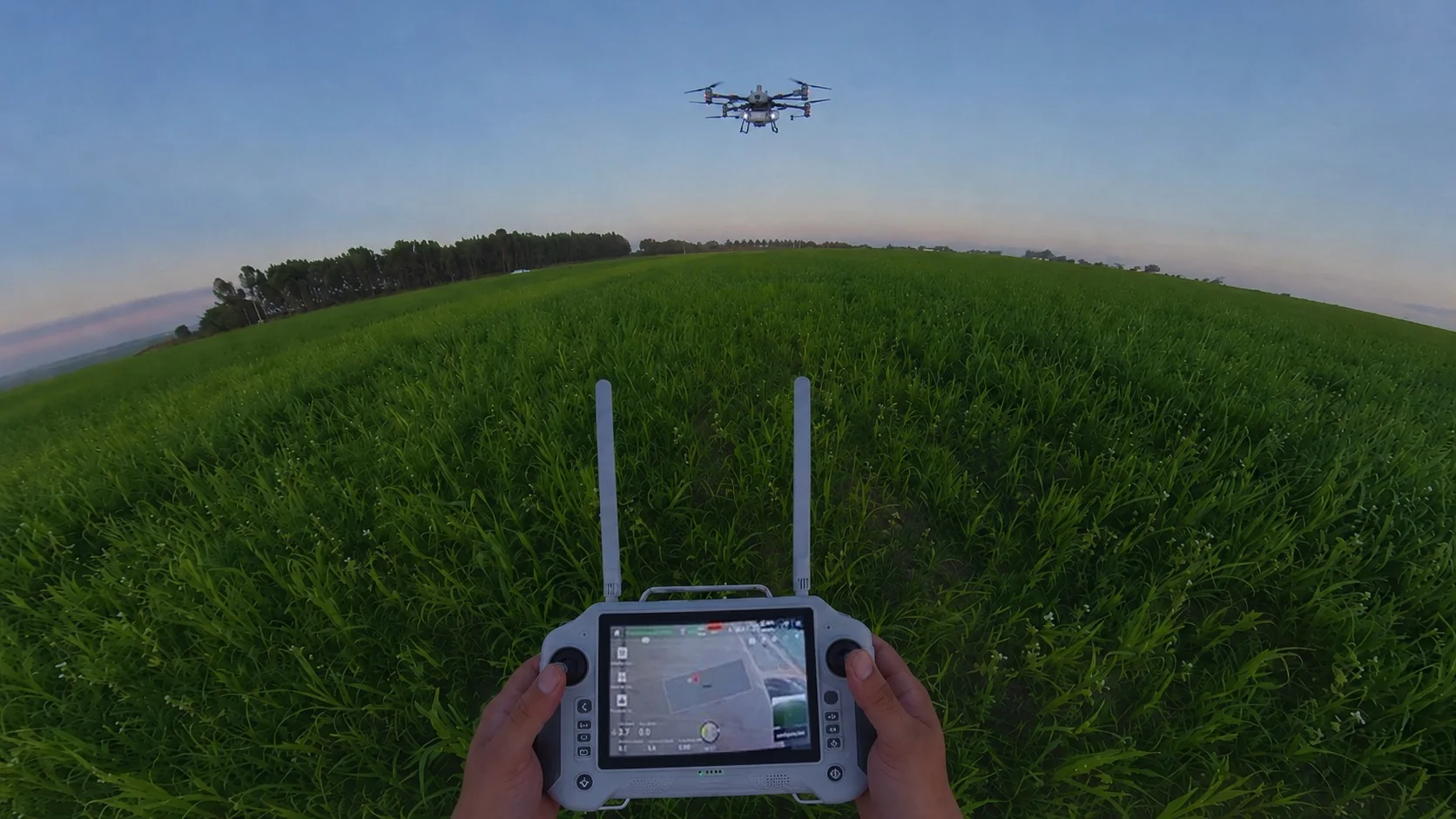
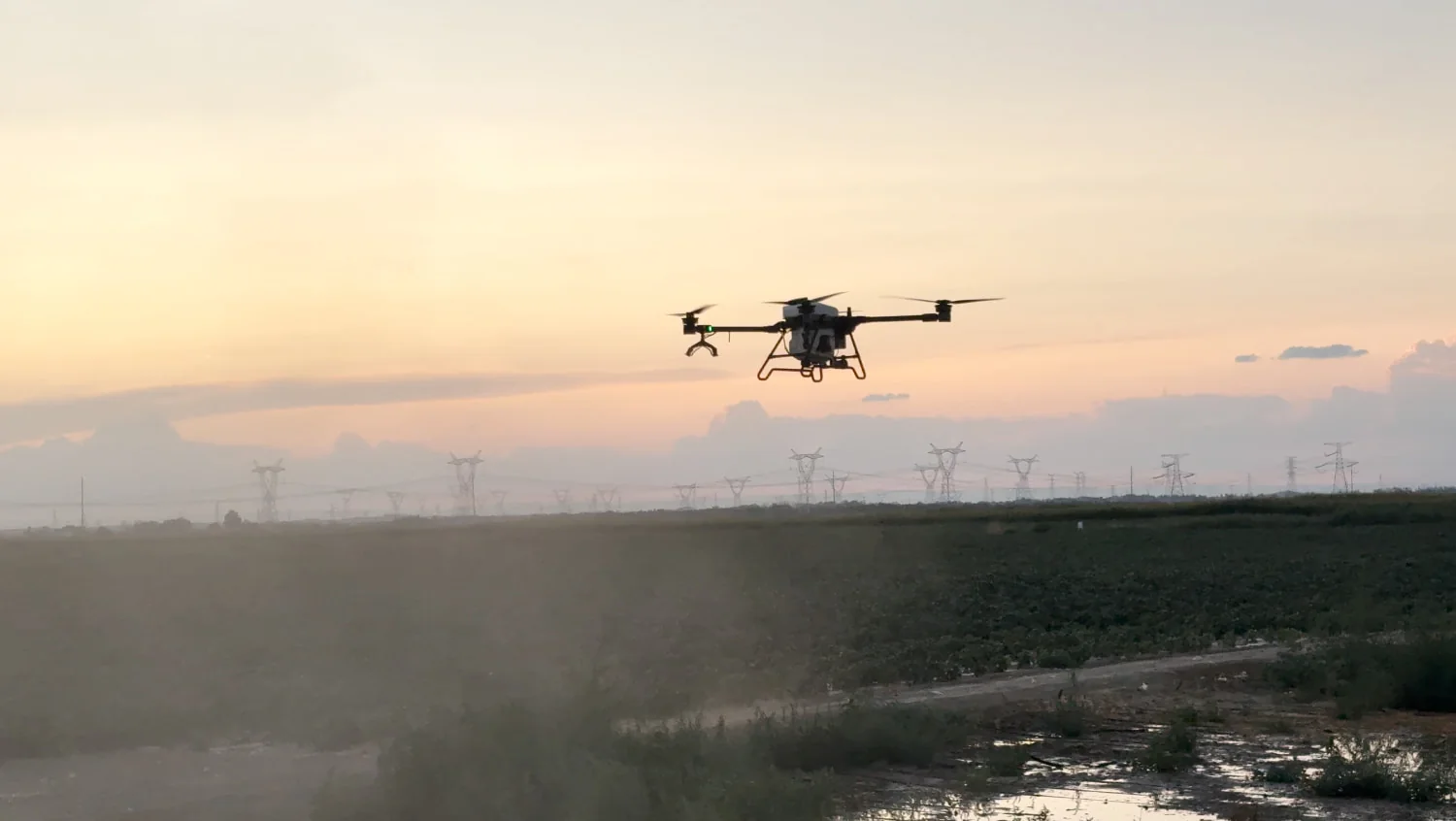
    Imagine a farm where spraying equipment moves between different plots, each of which is a different shape, grows a different crop, and belongs to a different farmer. Now imagine another type of farm: a vast expanse of contiguous fields stretching as far as the eye can see, where the team spends an entire week spraying the same crop in the same area. Both types of farm could purchase crop protection drones, but they clearly should not choose the same model.

    This is precisely the core issue addressed by crop protection drones such as our FP800 drone, with its 80-litre capacity. The key point is not whether the figure ‘80 litres’ is impressive in itself, but whether the conditions of your farmland allow you to spray the entire 80 litres of pesticide solution before the battery runs out, the work rhythm is disrupted, or the operation becomes economically unviable.

    To give a brief conclusion: an 80-litre crop spraying drone is best suited to large, contiguous plots of land—where the drone can fly long distances in a straight line and refill its tank at a single fixed point. In environments with fragmented, scattered plots, however, a 40-litre model often performs better, not only reducing unnecessary flights and battery wastage but also helping you save on costs. Tank capacity is just one factor to consider; other key factors include the layout of the farmland, the application rate, and the efficiency with which the operational team can swap batteries.

    So, what exactly does an 80-litre capacity mean?

    Firstly, it is important to clarify the meaning of this figure, as we have found that many people have misconceptions about it. Take the FP800 as an example: it can carry up to 80 litres of spray solution, whilst the manual specifies a rated capacity of 75 litres. For the same piece of equipment, there are two figures, both of which are accurate. The ‘rated capacity’ is the basis for your day-to-day operational planning, whilst the ‘maximum capacity’ represents the physical limit of the spray tank. If a sales representative only quotes the larger figure and makes no mention of the smaller one, you might well ask why.

    The same advice applies to spreading operations, and is even more important in this context. A 120-litre spreader hopper does not mean it can hold 120 kilograms of material—volume is not the same as weight. The manual clearly states that the maximum spreading load is 80 kilograms, and the actual load will vary depending on the type of material. Materials such as urea, seeds and bait have different weights for the same volume. If anyone tells you that a 120-litre spreader hopper can hold 120 kilograms of material, they are either talking nonsense or trying to sell you a product. Now that this has been clarified, what does a 120-litre capacity actually mean under suitable farm conditions? It means fewer refills and longer single-pass runs. Over the course of a full working day, the team can spend more time actually spraying and less time travelling back and forth to the mixing point. On large plots, this increase in efficiency is considerable; on smaller plots, however, you may find that half the solution remains in the tank by the time you finish—meaning you have incurred the cost of transporting that excess weight for nothing.

    The ‘pitfalls’ you’ll never find mentioned in the brochures

    This is a point that most specification sheets tend to overlook: a larger spray tank may actually slow the drone down rather than speed it up.

    We’ve discussed this issue before, but buyers still tend to fall into this trap. If an 80-litre spray tank is filled to capacity, the drone’s load on each flight path increases, and battery consumption accelerates accordingly. In certain operational scenarios, the battery may run low before the spray solution has been fully dispensed. Consequently, you are forced to land and replace the battery; when you take off again, there is actually still spray solution remaining in the tank. You have not achieved a longer flight time; instead, you have simply made the drone heavier.

    This is not to say that an 80-litre tank is unsuitable, but rather that its use is subject to certain conditions. You should select the size of the spray tank based on your actual operational requirements, rather than blindly pursuing the capacity advertised in brochures. When planning a sensible flight path, operating with a half-full tank yields far better results than filling it to capacity only to make frequent turns and back-and-forth trips along the route. Experienced pilots grasp this principle within their first week on the job; whereas buyers who focus solely on tank size when purchasing equipment often only realise this three months later, when they are faced with a hefty bill for battery replacements.

    Therefore, before making a decision, ask yourself one simple question: can you spray most of the solution in the tank without having to turn round too frequently? If the answer is yes, please read on; if the answer is no, then choosing a smaller machine is not ‘settling for second best’, but rather the most suitable tool for the job.

    Three Decisive Questions

    Put brand considerations aside for now. By asking the following three questions, we can help you determine the specifications best suited to your needs.

    Firstly, just how large are your working fields? Note that we’re not referring to the total area of the entire farm, but rather the average size of a single field you typically work on. Some farms may cover a total of 500 hectares, but are actually made up of small 2-hectare plots interspersed with trees and power lines. Such a farm has no need for a large 80-litre spray tank; what it requires is flexibility, short travel distances between plots, and highly manoeuvrable equipment. The situation is entirely different, however, for farms comprising large, 50-hectare plots with a central mixing point—this is where an 80-litre spray tank truly comes into its own.

    Secondly, what is your application rate per hectare? Low-volume spraying allows the solution in the tank to cover a larger area; high-volume spraying, on the other hand, depletes the solution rapidly, potentially finishing the job in just a few passes. Even if two farms use spray tanks of the same capacity, there may be a huge difference in the area they cover in a single day—simply because one applies 10 litres of solution per hectare, whilst the other applies 30 litres. When comparing the ‘number of hectares covered per day’ across different farms, such a comparison is meaningless unless the key indicator of ‘spray volume’ is taken into account. Assessing efficiency based solely on the ‘number of hectares covered per day’ without reference to spray volume will not only mislead you, but also make the sales representative providing this data appear unprofessional.

    Thirdly, what is your battery rotation plan? This is the issue buyers most readily overlook, yet it is precisely what determines whether a large-capacity spray tank is a boon or a burden. The overall efficiency of drone operations depends on the slowest link in the chain—be it flight, refilling the spray solution, or recharging. If ‘recharging’ is the bottleneck restricting efficiency, then simply increasing the spray tank capacity will be of no avail; it will merely shift the waiting time from the ‘solution preparation stage’ to the ‘recharging stage’. Before making a purchase, be sure to map out your full day’s operational workflow: how many batteries do you have? How long does it take to fully charge each one? Who is responsible for swapping batteries whilst the drone is in flight? If you haven’t yet thought these matters through, it is too early to be discussing spray tank capacity. You should seek professional advice to organise these processes; any reputable sales representative ought to assist you with this planning before the contract is signed.

    What is a typical working day really like?

    The figures in product manuals illustrate the machine’s performance under ideal conditions; field operation data, however, reflects the team’s performance during a typical working day. We will share a case study from the field and clearly highlight its limitations—because, compared to ‘idealised’ figures, this real-world data is far more useful as a reference.

    In September 2026, battery manufacturer Tattu published a field interview with a farmer using the FP800 series. According to his feedback, a single charge allows for approximately 0.47 to 0.67 hectares of work, with a total daily coverage of around 13.3 to 20 hectares; each charging session takes approximately 8 to 10 minutes. By way of comparison, the farmer mentioned that manual spraying covers an area of approximately 2 to 2.7 hectares per person per day.

    Please examine these figures carefully. This represents the actual operational experience of a single farmer working with a specific crop, a specific application rate and a specific battery configuration. These figures are neither a commitment on our part nor do they represent the official rated performance specifications of the FP800. They provide a realistic picture of a typical working day: frequent short flights and rapid turnaround at charging points; whilst the total daily coverage depends on the entire operational system, rather than solely on the capacity of the spray tank.

    When sales representatives quote you the number of hectares covered ‘per hour’ or ‘per day’, be sure to ask the following three questions: What is the application rate? How many batteries are fitted? Does the calculation include the total time—including refilling and recharging—or does it refer solely to flight time? If the other party evades any of these questions, then that figure cannot be used as a basis for planning; it is merely a marketing gimmick.

    An 80-litre spray tank is suitable for large-scale farmland, but not necessarily for small rice paddies

    The same machine can perform very differently in different countries; we observe these variations on a weekly basis. In Brazil, the explosive growth of crop protection drones has occurred in areas that many would not have anticipated—ranches and sugarcane plantations. These areas are contiguous and vast, where the advantages of large-capacity spray tanks and wide-swath spraying are significant. This is precisely where an 80-litre spray tank comes into its own; the logic is simple: reduce the number of stopovers, extend the flight path per operation, and cover a larger area before the end of the working day.

    In Vietnam, Thailand and most of Southeast Asia, however, the situation is entirely different. Here, the landscape is dominated by rice paddies, with fragmented plots criss-crossed by ridges, often bordered by trees or other farmers’ fields. Currently, the market is dominated by a ‘service team’ operating model, whereby a single operator often serves several smallholder farmers. In this operating environment, 40-litre (40L) class models are more suitable. They are more manoeuvrable when turning and require shorter travel distances between fields; furthermore, the amount of unsprayed pesticide remaining in the tank before landing is significantly lower, thereby reducing unnecessary waste. We offer both sizes and will clearly advise you on when it is wiser to choose the smaller model. If a supplier offers only one size, they will inevitably claim that it is the ‘most suitable’ choice. Please bear this in mind when reading any comparative analysis (including those provided by us).

    The following is a brief reference guide. Please regard it as a starting point for discussion rather than a definitive conclusion.

    Your fields What usually fits Why
    Small, scattered plots under 5 hectares, lots of turns 40L class Short flights, less dead weight, easier turns
    Medium blocks, mixed crops, some ferry flying 40L to 70L class Balance between tank and battery
    Large, connected blocks, one mixing point 80L class, like the FP800 Long passes, fewer refills, crew stays in rhythm

    If you are unsure which model to choose, please do not make a guess. You can provide the sales representative with the following information: the average plot size, application rate (or spread rate) and the planned daily area to be covered (in hectares), and ask them to draw up a battery rotation plan tailored to your specific operational requirements. The insights provided by such a plan are far more valuable than any specification sheet.

    Spreading operations are equivalent to having a ‘second’ machine

    Many buyers, whilst focusing on tank capacity, often overlook this point: an 80-litre (80L) class crop protection drone equipped with a spreading system is far more than simply a spraying drone with a ‘larger tank’. It effectively opens up a second line of business for you on the same flight platform.

    Take the FP800 as an example: whilst equipped with an 80-litre spray tank, it also features a 120-litre spreading hopper. The material is dispensed via a screw conveyor, with a spreading width of up to 10 metres. The very same drone that was carrying out spraying operations last week can be used this week to spread fertiliser, seeds or bait. For service providers, this means they can generate revenue with this equipment during the spreading season as well as the spraying season; for farmers, it means that with just one operational team, one set of charging equipment and one maintenance procedure, both types of tasks can be completed simultaneously.

    However, there is one ‘pitfall’ to be aware of when it comes to spreading operations: the 120-litre capacity of the hopper refers to ‘volume’, not ‘weight’. Please ensure you verify the actual load capacity of the material you intend to use; at the same time, confirm whether the spreading system is included as standard with the drone or requires an additional purchase. Before making payment, please ensure these details are clearly specified in the quotation.

    Pre-enquiry Checklist

    When making your initial enquiry, providing the following six pieces of information will help you receive a quote and more precise advice more quickly. We ask for these details because they directly influence the final equipment recommendation, rather than simply for the sake of gathering information.

    Please provide: your country or region (so that we can verify local import and operational regulations); crop type and average plot size; application rate (litres per hectare) or the material to be spread and its quantity; planned daily area of operation (in hectares) during the peak season; charging power supply details (as charging solutions designed for a stable mains grid may not function correctly when powered by a generator on a farm); and the number of units you plan to purchase (as battery configuration options differ between single units and fleets). Once you have sent these six pieces of information, our experienced sales team will be able to advise you on whether an 80-litre model is suitable or if a smaller unit would be a better fit; they will also help you estimate how many batteries you will actually need for a day’s work. If you simply say, ‘An 80-litre drone—please give me your best quote’, the model corresponding to the quote you receive is likely to be unsuitable for your farm. The quote may be very precise, but the advice provided will be of no use whatsoever.

    Frequently Asked Questions from Buyers

    Is the capacity of the FP800’s spray tank actually 75 litres or 80 litres?

    Both statements are correct, but they have different meanings. The instruction manual specifies a rated capacity of 75 litres and a maximum capacity of 80 litres. We recommend planning your daily operations based on 75 litres; 80 litres merely represents the physical limit of the spray tank, not the actual operational capacity.

    Can the 120-litre spreader hopper hold 120 kilograms of material?

    No. Litres are a unit of volume, whilst kilograms are a unit of weight. The manual specifies a maximum spreader load of 80 kilograms; the actual load depends on the material you are using. Please ensure you plan based on weight rather than volume.

    Is the spreading system included in the drone package?

    This depends on the scope of the quotation and must be clearly specified in writing. When requesting a quotation, ask for an ‘included items list’ and check each item carefully; never make assumptions.

    How many batteries are required for a full day’s operation?

    This depends on your spray rate per mu, the layout of the plot and your charging facilities. If a sales representative gives you a specific figure without knowing these details, they are simply guessing. Please ask them to plan your full day’s operation for you first.

    Can I visit the factory before purchasing?

    Of course you can; we’d be delighted to have you. Our factory is only about a 20-minute drive from our office. During your visit, you’ll be able to witness a live flight demonstration of the equipment in action, rather than just watching a video. If the sales representative refuses to demonstrate a live flight, you should understand exactly what that implies.

    What if my plot is too small for an 80-litre model?

    In that case, simply choose a model with a smaller capacity; there’s no need to feel as though you’re ‘settling for second best’. A 40-litre model that completes the job on time is far better than an 80-litre model that still has half its tank full at the end of the day. The best model for you is the one that maximises the efficiency of your farm work.

    To be honest, tank capacity is indeed an easy metric to compare, and we understand why it always features so prominently in brochures. However, farmers aren’t buying ‘spray tank capacity’; they’re buying the service of ‘efficient, on-time spraying’, as well as the ‘cost per hectare’ that ensures you achieve a reasonable profit. If an 80-litre model helps you achieve these goals, then go ahead and buy it. If it isn’t suitable, we recommend choosing a smaller model and using the savings to purchase batteries, spare parts and staff training. Once the initial excitement has worn off and the actual growing season begins, it is these factors that will determine whether your drone will be profitable in the following year.

    Please let us know your country, the types of crops you grow and the average plot size, and we will tell you straight away whether an 80-litre (80L) model is suitable for your farm. If it is not, we will be honest about this and recommend a more suitable model specification.

    Please feel free to request a quote or contact us via WhatsApp (+86 177 5122 0949). Simply provide the six pieces of information mentioned above, and we will be able to plan your daily operational workflow and provide a quotation for the equipment accordingly.
  • Agriculture Drone Sprayer: The Complete 2026 Buying Guide

    Agriculture Drone Sprayer: The Complete 2026 Buying Guide

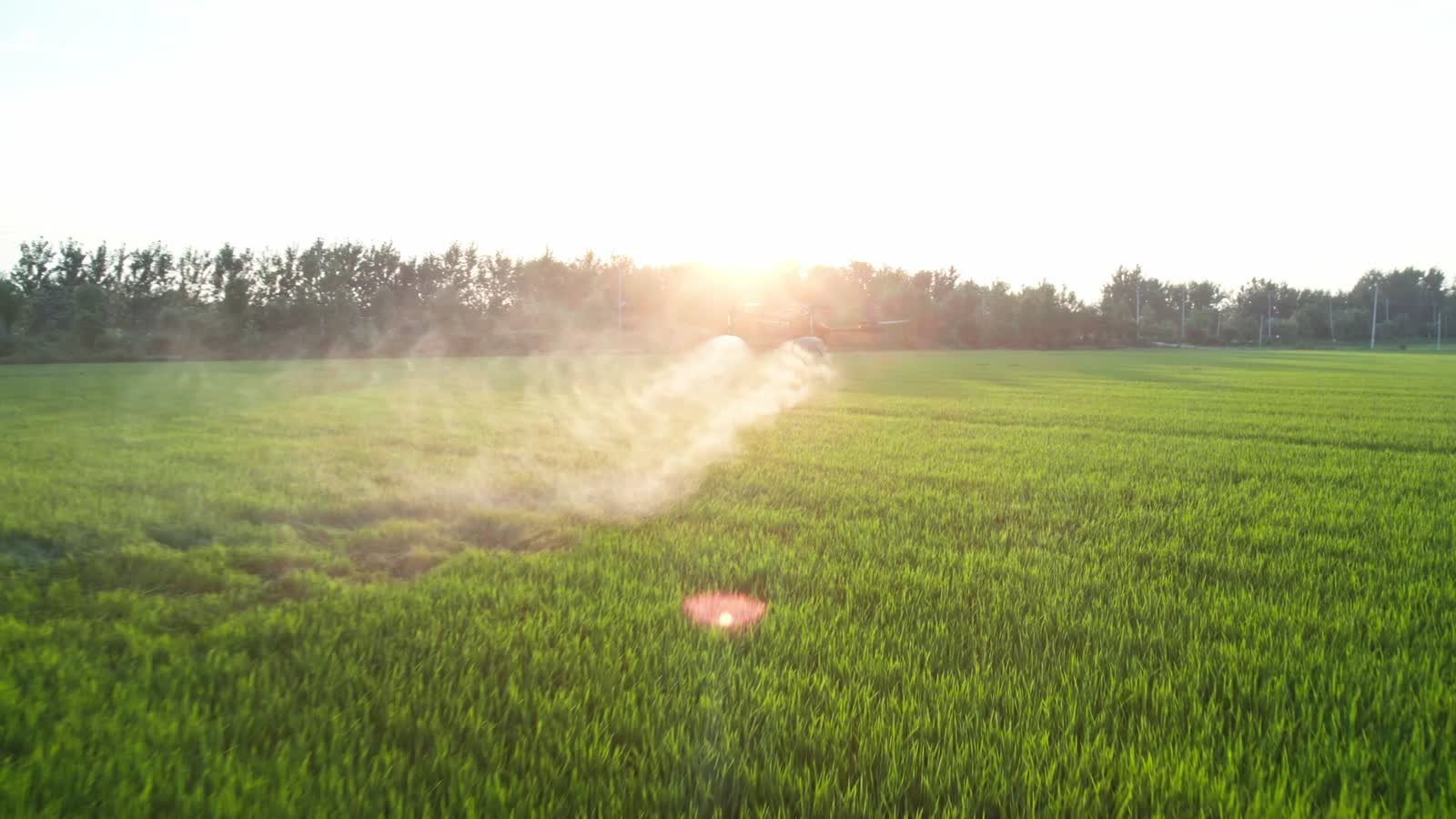
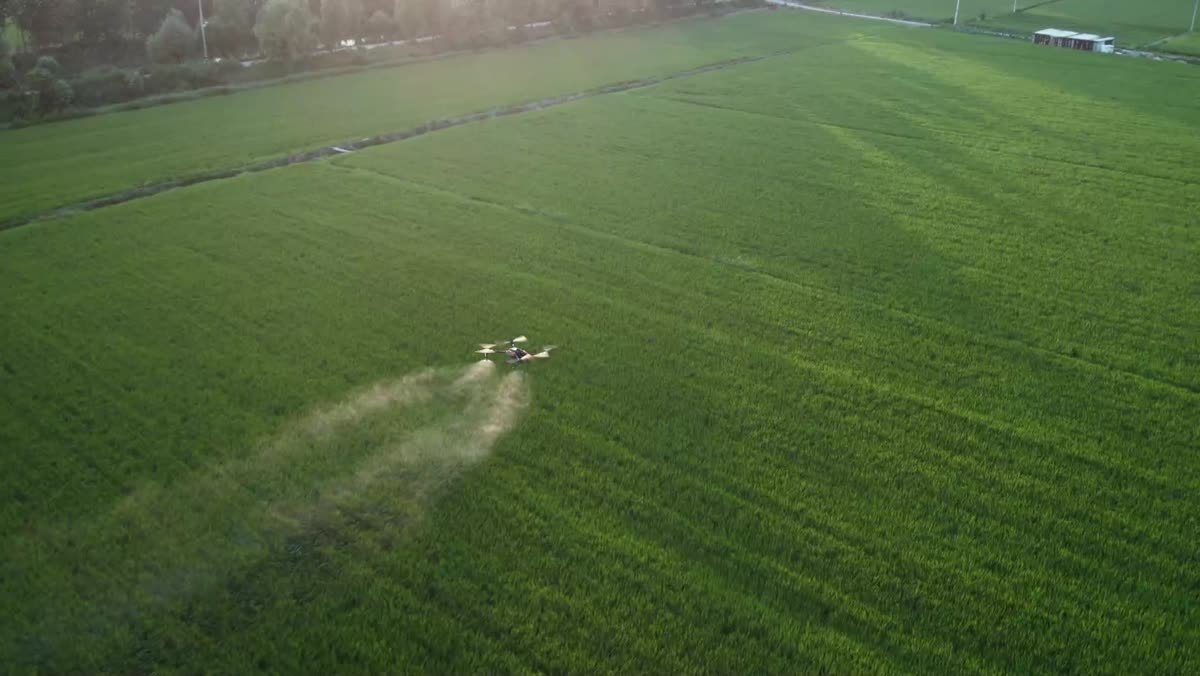
    Agricultural plant protection drones (also known as a crop spraying drone) are multi-rotor unmanned aerial vehicles used to spray pesticides, herbicides and fertilisers from the air; a single flight typically carries between 10 and 80 litres of chemical or fertiliser. By the end of 2025, DJI alone will have over 600,000 agricultural drones in operation worldwide (up from 400,000 in 2024), with more than 30 per cent of large-scale farms utilising drones in their production operations (source: ‘DJI Agriculture Annual Report 2025’ and market.us industry data for 2026).

    How much will an agricultural crop protection drone cost in 2026?

    This is the first question on every buyer’s mind. To be frank, the answer depends largely on your purchasing channel. There is a significant price difference between models of the same class in the Chinese market and those available through Western distributor networks. The table below lists the publicly listed prices observed in October 2026—these are official prices, not final transaction prices, nor are they our quotations.

    Model (class) China factory / B2B list price US / Western dealer list price Source (Oct 2026)
    DJI Agras T50 (40L) $8,999–$15,499 (wholesale) $16,499 (single unit, promo) / $28,999 (kit) accio.com; avarydrone.com
    DJI Agras T100 (100L) Under $8,000 (set, before subsidy) $39,999 (ready-to-fly kit) Richard Wu, LinkedIn 2026-09-29; globaldronehq.com
    XAG P150 (70L) n/a (not verified) $30,000 (spray-all-day kit) dronespraypro.com
    HD580 (70L) n/a (factory-direct) $27,500 (drone only) rippingitoutdoors.com
    Entry 10–16L machines $2,600–$5,000 (MOQ 1) $14,000–$23,000 (indicative) accio.com PLP; industry guides

    Two facts are worth noting. Firstly, in the Chinese domestic market, the retail price of flagship models is below US$8,000—in some regions, after receiving subsidies, farmers pay only around US$6,000; whereas, for the same specifications, prices reach as high as US$35,000 to US$40,000 when sold through Western distributors (Richard Wu, ‘The State of the Agricultural Drone Industry in 2026’, LinkedIn, 29 September 2026). Secondly, in the second half of 2026, DJI’s market share in China exceeded 90 per cent, which explains the reason for its aggressive pricing strategy in the domestic market.

    What does this mean for overseas buyers? As you are not purchasing on the domestic Chinese market, you must take into account the actual circumstances of the dealer network in your region when drawing up your budget: in the US, the price of a 40-litre (40L) class crop protection drone purchased through a dealer typically ranges from US$20,000 to US$40,000 (AgWeb, citing dealer Moreland). However, this price difference also conveys an important message: Suppliers with direct partnerships with manufacturers are able to offer hardware of the same class at a lower cost—because a significant portion of the high prices in Western markets actually consists of profit margins accumulated through multi-tiered distribution channels.

    Our policy is as follows: this website never publishes fixed prices. The figures above are merely publicly available quotes from third parties and are provided for market reference only. To obtain the latest manufacturer-direct prices for our products, please request a quote directly from us.

    What capacity of spray tank do you actually need?

    When it comes to spray tanks, bigger is not necessarily better—if a sales representative tells you ‘the bigger, the better’, they are selling a product rather than offering professional advice. With identical battery, motor and propeller configurations, an 80-litre spray tank filled with pesticide will consume more power than a 70-litre tank. In practical operation, an 80-litre model may run out of power before the pesticide has been fully sprayed, necessitating a battery change mid-operation, thereby negating the efficiency benefits of a larger tank capacity (Industry Analysis, Richard Wu, 29 September 2026). A crop protection drone is a complete system; its performance is not determined by a single parameter.

    You may use this as an initial reference framework and verify it against the actual conditions of your farmland:

    Your situation Recommended tank class Why
    Orchards, vegetables, fragmented plots 10–20L Maneuverability between rows; less waste on irregular fields
    Mid-size grain farms, 50–300 ha 30–50L Fewer refill stops without excessive takeoff weight
    Large contiguous fields, sugarcane, plantations 70–80L Maximum hectares per tank; pairs with fast-charge battery sets
    Spray service business (custom application) 40–70L Balance of throughput and transport practicality

    How many batteries does a crop protection drone need?

    In short: each drone requires 3–4 batteries, supplemented by fast-charging equipment, to enable continuous, round-the-clock operation. Whilst one battery is in use during flight, the others can be recharged.

    Using fast-charging equipment (such as an 11-kilowatt generator-powered charger), it takes approximately 10–13 minutes to fully charge a battery with a capacity of 40 litres (source: manufacturer Joyance, published via made-in-china.com).

    Typical battery lifespan: 500–700 charge-discharge cycles before significant performance degradation occurs (refer to the 2026 industry guidelines).

    Storage recommendations: For long-term storage, lithium-polymer (LiPo) batteries should be maintained at a charge level of between 45% and 50%, with a charge-discharge cycle carried out every 1.5–2 months (sources: realagriculture.com, M3 Aerial).

    Cold weather: Batteries must be warmed up before flight; battery capacity decreases significantly in cold conditions.

    When comparing quotes, be sure to ask the seller to provide a quote for a ‘complete operational package’ (including the drone, 3–4 batteries, a charger and, where necessary, a generator), rather than simply enquiring about the price of the drone alone—the cost of this complete kit represents the actual expenditure required to commence operations.

    Frequently Asked Questions

    Is a larger spray tank capacity always better?

    Not necessarily. With the same power system, if an 80-litre spray tank is filled to capacity, the battery may run out of power before the spray solution is fully applied, necessitating a battery change mid-operation. The appropriate spray tank capacity should be selected based on the shape and size of the farmland—70–80 litres is suitable for large, contiguous fields; 10–20 litres is more suitable for orchards or scattered plots.

    Can I purchase directly from the manufacturer rather than through a dealer?

    Yes. Many overseas dealers and large farms source directly from the factory. However, please note that this process is typically lengthy and involves export licences (usually taking 1–3 months per order for controlled products), manufacturing and sea freight. The entire cycle, from initial contact to final bulk delivery, typically takes 6–8 months, so please ensure you plan well in advance in line with your spraying season.

    Is a licence required to operate a crop protection drone?

    It is almost certainly required, though specific requirements vary by country: for example, FAA Part 137 in the US (for commercial spraying operations), the EASA ‘Specific’ category in the EU, MAPA/ANAC registration and CAAR operational certification in Brazil, and other countries have their own corresponding regulations. Before purchasing, please be sure to consult the aviation authorities in your country.

    What is the service life of a crop protection drone?

    A well-maintained agricultural crop protection drone typically has a service life of 5–7 years. Wear-and-tear parts such as nozzles, filters, water pumps and propellers require regular replacement; be sure to rinse the spraying system with clean water after each operation; and never store batteries whilst they are fully charged.

    Should you choose a crop protection drone or a tractor-mounted sprayer?

    For large areas of flat farmland, tractors offer better value for money in terms of cost per hectare. Crop protection drones, on the other hand, are better suited to orchards, hilly terrain, paddy fields, tall-stemmed crops (in the later stages of growth) and localised precision spraying; furthermore, compared to manual spraying, drones can reduce water consumption by approximately 90 per cent per hectare. Many farms use both types of equipment.

    What is the drone spraying cost per acre?

    Taking the US Midwest as an example, in 2026, third-party contractors charged approximately US$12–15 per acre (source: Farm Progress, interviews with three Illinois contractors in June 2026). Specific costs may vary depending on the region, the chemicals used and field conditions.

    Can drones be used for fertiliser application or sowing?

    Currently, most crop protection drones on the market with a capacity of 40 litres or more support quick-change spreader hoppers (depending on the model, granular capacity typically ranges from 60 to 120 litres). If you require both spraying and spreading capabilities, please ensure that the spreader module is included when purchasing, and verify its calibration requirements and price.

    Regarding the data in this guide: All prices and market data mentioned in the text are sourced from publicly available third-party information or published reports (sources and dates are cited), and are provided for market reference only. The specifications for our own models (FP800 80L/120L, HD580 70L/100L, HD540S 40L/60L, HD525) are derived from the manufacturers’ technical documentation—please refer to the quotation for specific details.

    Next steps: Please let us know your crop type, farm size and country/region, and we will recommend a suitable spray tank capacity and battery configuration, as well as provide a manufacturer’s direct quotation. Please feel free to request a quotation or contact us via WhatsApp: +86 177 5122 0949.

  • EU Drone Spraying Regulation Tracker 2026: Omnibus X & Article 9a Explained

    EU Drone Spraying Regulation Tracker 2026: Omnibus X & Article 9a Explained

    EU Drone Spraying Regulation Tracker 2026: Omnibus X & Article 9a Explained

    The short answer

    The EU currently bans aerial pesticide spraying under Article 9 of Directive 2009/128/EC, with only case-by-case national derogations. The Commission’s Food & Feed Safety Omnibus (COM(2025)1021, published 16 December 2025) proposes a new Article 9a letting Member States exempt specific drone types — but only after the Commission adopts delegated acts listing which drones qualify, a process the Council wants completed within 30 months. (Sources: DroneXL, 30 Apr 2026; euperspectives.eu, May 2026.)

    This is a living tracker. Last verified update: 17 October 2026. We update it when the committee vote is scheduled, when Parliament votes, and when the final text is agreed.

    Agricultural drone spraying over green field in Europe

    Why this matters now

    DJI reported its global agricultural drone fleet passed 600,000 units by the end of 2025 — up 50% from 400,000 a year earlier — operating in more than 100 countries (company report, via DroneXL, 30 April 2026). Europe is the conspicuous exception: a 2009-era ban has kept spray drones grounded across most of the EU while Brazil, China and the US scaled up. That gap is what Brussels is now trying to close.

    If you distribute, import or operate spray drones in Europe, this page is your single reference: what the law says today, what Omnibus X would change, where the legislation stands this week, and what France, Italy, Spain and Germany each allow right now.

    Is drone spraying currently legal in the EU?

    No — not as a general rule. Article 9 of the Sustainable Use of Pesticides Directive (2009/128/EC) establishes a near-total ban on aerial spraying of plant protection products. Member States may grant derogations case by case, but only where strict conditions are met — for example, where there is no viable alternative or where aerial application is demonstrably better for human health and the environment than ground spraying. The Commission’s own evaluation flagged this derogation procedure as the single largest administrative burden in the entire directive (via DroneXL, 30 April 2026).

    Two further hurdles sit on top of the pesticide ban:

    1. Aviation rules. Under EASA’s framework, any drone that drops material — including spray liquid — is automatically excluded from the low-paperwork “open” category and falls into the “specific” category, requiring an operational authorisation from the national aviation authority (or a pre-defined risk assessment).
    2. Product authorisation. Even where a derogation exists, the plant protection product itself must be explicitly authorised for aerial application under Regulation (EC) No 1107/2009. Most products currently on the EU market are not.

    A handful of Member States — France, Hungary, Romania, Spain — have built national pathways inside these constraints, but each required individual authorisations on timelines that farmers describe as incompatible with real spraying seasons (Quadricottero, via DroneXL, 30 April 2026).

    What is Omnibus X and what would Article 9a change?

    Omnibus X — formally the Food & Feed Safety Simplification Omnibus, COM(2025)1021 — is one of ten simplification packages the Commission has tabled since February 2025. Its headline proposal for the drone sector is a new Article 9a in Directive 2009/128/EC, which in plain terms would work as follows:

    ElementDetailSource
    New exemption pathMember States may exempt specific drone types from the aerial-spraying banDroneXL, 30 Apr 2026
    Qualifying conditionExempted drones must present risks equal to or lower than land-based equipment for the same useDroneXL, 30 Apr 2026
    Delegated acts firstThe Commission must first adopt delegated acts identifying which drone types qualify — no exemption can be used before thatDroneXL, 30 Apr 2026
    DeadlineThe Council’s negotiating mandate sets a 30-month deadline for the delegated act on qualifying droneseuperspectives.eu, May 2026
    EFSA guidanceThe European Food Safety Authority is tasked with harmonised guidance on risk assessment for drone-applied productsDroneXL, 30 Apr 2026
    Products still need labelsEvery plant protection product still needs explicit drone-use authorisation under Regulation (EC) No 1107/2009DroneXL, 30 Apr 2026
    Drone spraying crop rows aerial view

    The political logic: at the December 2024 AGRIFISH Council, a majority of Member States asked the Commission to move on drone-specific rules without further delay, and back in 2024 Portugal — backed by 14 other Member States — had already asked for clearer guidelines on drone use (CropLife Europe, via AgroPages). The technology, regulators concede, has outrun the 2009 text.

    The controversy: 573 scientists and doctors signed a letter urging the European Parliament to pause the process until an independent impact assessment is completed, warning that open-ended approvals could let emerging health and environmental risks escape timely scrutiny (european.express, 29 Sept 2026). On 7 October, five UN human rights experts went further, writing to EU institutions that the Omnibus changes seem difficult to reconcile with the precautionary principle (letter dated 7 Oct, reported by global-agriculture.com, 14 Oct 2026).

    Where does the legislation stand right now?

    DateEventStatus
    16 Dec 2025Commission publishes the Food & Feed Safety Omnibus, COM(2025)1021Verified (DroneXL)
    19 Jan 2026Member State comments on the proposal closeVerified (DroneXL)
    May 2026Council reaches its position; negotiations with Parliament can beginVerified (euperspectives.eu)
    Sept 2025EASA Decision 2025/018/R: SORA 2.5 adopted; PDRA-S01 adapted for phytosanitary sprayingVerified (DroneXL)
    29–30 Sept 2026Council adopts formal negotiating mandateVerified (global-agriculture.com, 12 Oct 2026)
    3 Oct 20268,000–15,000 protesters rally at Syngenta plant in FranceVerified (France 3 Normandie)
    5 Oct 2026Planned ENVI/AGRI joint committee vote — did not take place; no new date setVerified (global-agriculture.com, 12 Oct 2026)
    7 Oct 2026Five UN human rights experts write to EU institutions warning Omnibus weakens protectionsVerified (global-agriculture.com, 14 Oct 2026)
    7 Oct 2026Corporate Europe Observatory publishes lobbying analysis naming Bayer, BASF, CropLife Europe, Copa-CogecaAdvocacy allegation, not independent finding
    10–11 Oct 2026Nationwide French rallies organised by 100+ organisationsVerified (global-agriculture.com, 12 Oct 2026)
    10–14 Oct 2026French National Assembly debates resolution calling for Omnibus rejectionVerified (global-agriculture.com, 12 Oct 2026)
    19 Oct 2026Indicative date for Parliament first readingIndicative/unconfirmed — NOT on 19–22 Oct plenary agenda; effectively lapsed
    5 Nov 2026Indicative date for ENVI/AGRI joint committee voteIndicative/unconfirmed — per CEO 7 Oct report
    End of 2026Target for provisional Parliament–Council agreementTarget, not fixed date
    Late 2026 – early 2027Expected conclusion of legislative procedureEstimate (DroneXL)

    The two co-rapporteurs steering the file are Herbert Dorfmann (EPP) and Michele Picaro (ECR).

    What do the four biggest EU markets allow today?

    Drone operator with controller in field during spraying operation

    France: two laws on the books, streets in protest

    France has moved furthest legislatively. Two 2025 laws already frame drone spraying nationally: Law 2025-794 of 11 August 2025 (the “Loi Duplomb”), which authorises drone application of biocontrol and low-risk plant protection products on sloped terrain, and Law 2025-365 of 23 April 2025, focused on drone-based crop disease treatment. The food safety agency ANSES delivered its formal opinion on the implementing texts on 9 December 2025 (all via DroneXL, 30 April 2026).

    Italy: the law that cannot fly yet — implementing decree stalled

    Parliament approved the Decreto Semplificazioni (Law 182/2025) on 2 December 2025; it entered into force on 18 December 2025. Its Article 6 inserts a new Article 13-bis into Legislative Decree 150/2012, opening a three-year experimental window for drone-based aerial spraying. The amendment passed 86 to 48 with seven abstentions (DroneXL, 30 April 2026).

    But the implementing decree from the Ministry of Agriculture (MASAF) — due within 90 days, i.e. mid-March 2026 — slipped. Until that decree publishes, the law has no operational force: drones may fly under standard ENAC/EASA rules, but they cannot legally spray plant protection products.

    Spain: the fastest paperwork in Europe

    Spain’s aviation authority AESA was first in the EU to publish a national variant of the adapted pre-defined risk assessment — PDRA-S01 (F) — specifically for aerial fumigation with UAS up to 3 metres. By the end of 2024 the agency had processed 160 agricultural applications and authorised 120 of them, and registered drone operator numbers rose 27% year on year in 2024 (AESA annual report, via DroneXL).

    Germany: the biggest prize still waiting

    Germany represents roughly a third of the European agricultural drone market by value — the single largest prize once rules land. Our research found no verified German national fast-track law for spray drones as of October 2026; Germany’s position is effectively being defined at EU level. Distributors should treat Germany as “prepare now, sell later.”

    What does this mean if you want to buy or distribute spray drones in Europe?

    1. Separate the two permissions. Aviation authorisation (EASA “specific” category) and pesticide authorisation (Article 9 derogation today; Article 9a exemption tomorrow) are different gates — you need both.
    2. Check the product label, not just the drone. Under Regulation (EC) No 1107/2009, each plant protection product needs explicit authorisation for drone application.
    3. Watch the delegated acts, not just the vote. The Commission’s delegated acts listing which drone types qualify are the gating step — due within 30 months under the Council’s mandate.
    4. Spain is the template; Italy the cautionary tale. Spain shows streamlined national paperwork; Italy shows a signed law without an implementing decree changes nothing.
    5. Distributors who bundle compliance win. Certification, training, and a service network are structural conditions in both the Italian law and the Spanish procedure.
    6. Timelines are political, not technical. Committee vote unscheduled as of mid-October 2026; provisional agreement targeted for end of 2026.

    Looking for spraying drones for sale in Europe? Request a Quote to discuss distributor and operator packages.

    Frequently asked questions

    Can I legally spray pesticides with a drone in the EU today?

    As a general rule, no. Article 9 of Directive 2009/128/EC bans aerial spraying; Member States may grant case-by-case derogations under strict conditions. A few countries (France, Spain, Hungary, Romania) have built national pathways, each with its own authorisation process — check the country sections above.

    When will EU-wide drone spraying rules take effect?

    No fixed date exists. The legislative procedure is estimated to conclude between late 2026 and early 2027 (DroneXL, 30 April 2026), and the Commission’s delegated acts identifying qualifying drone types are due within 30 months under the Council’s mandate (euperspectives.eu, May 2026). Treat earlier dates as indicative.

    What is Article 9a and which drones will qualify?

    Article 9a is the proposed new provision in Directive 2009/128/EC that would let Member States exempt specific drone types from the aerial-spraying ban, provided their risks are equal to or lower than ground-based equipment for the same use. Which types qualify will be decided later in Commission delegated acts — that list does not exist yet.

    Do the pesticides themselves need separate approval for drone use?

    Yes. Even after Article 9a takes effect, every plant protection product needs explicit authorisation for drone application under Regulation (EC) No 1107/2009, and EFSA must first develop harmonised risk-assessment guidance.

    What pilot and operator certification do I need?

    Any spraying operation falls under EASA’s “specific” category, so you need an operational authorisation from your national aviation authority or a pre-defined risk assessment such as PDRA-S01. Spain’s AESA additionally runs a dedicated phytosanitary variant, PDRA-S01 (F).

    Which EU country is furthest ahead right now?

    Spain, on paperwork: AESA’s PDRA-S01 (F) fast track authorised 120 agricultural operations by end of 2024. France is furthest on statute (two 2025 laws). Italy has a signed law with no implementing decree — operationally stalled.

    As a distributor, what should I prepare before the rules land?

    Operator certification capacity, pilot training, and a service/parts network — structural conditions in both the Italian law and the Spanish procedure. Track the delegated-act process so the product lineup matches the eventual qualifying-type list.

    Update log: 15 Oct 2026 — page created. 16 Oct 2026 — re-checked: Omnibus file still absent from 19–22 Oct plenary agenda; treat as living tracker. 17 Oct 2026 — ENVI/AGRI compromise talks started, committee vote foreseen for 5 Nov (indicative); timeline updated, scientist count corrected to 573.

  • How to Choose an Agricultural Drone: A Buyer’s Checklist

    How to Choose an Agricultural Drone: A Buyer’s Checklist

    How to Choose an Agricultural Drone: A Buyer’s Checklist

    Practical equipment guidance for buyers and operators. Review the details below, then prepare your model and application requirements.

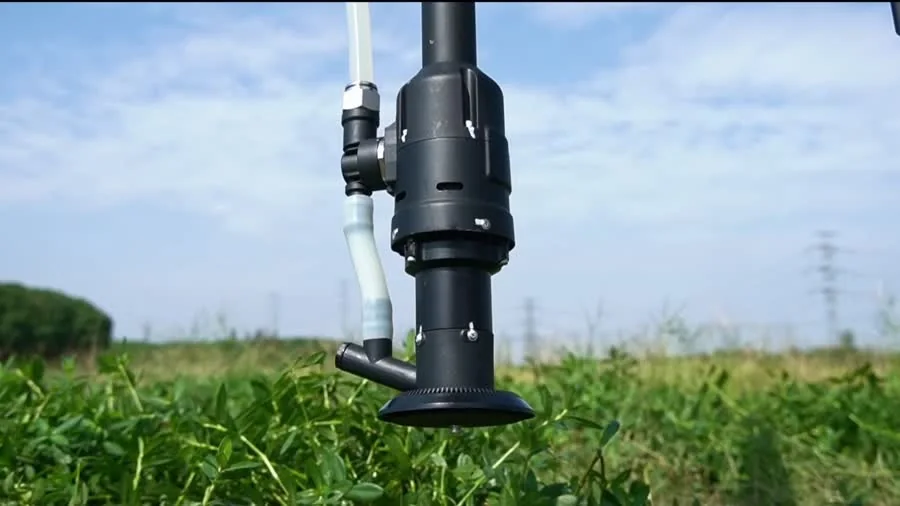
    Spray drone nozzle close-up
    Spray-system inspection reference: review application hardware as part of the equipment checklist.

    Equipment buying resources · NAVIRO Drones

    9 October 2026 · Agricultural equipment procurement

    This agricultural drone buying checklist focuses on the equipment and supplier checks to complete before placing an order. Choose an agricultural drone by defining the job and the complete equipment package before comparing aircraft. For a spraying or spreading purchase, specify the material, field conditions, working schedule, power supply and support requirements. Then request a written configuration that answers those needs. Tank size alone is not enough to decide whether a package fits your operation.

    This guide provides a practical requirements checklist for farm buyers, cooperatives and equipment distributors. It is a procurement framework, not a flight manual, a chemical application prescription or a claim that one aircraft is suitable for every market.

    1. Define the agricultural task before choosing a model

    Start with the work you need to perform. Liquid crop spraying, dry-material spreading and crop imaging require different equipment and evaluation criteria. A camera drone should not be treated as a substitute for an application aircraft. Likewise, a spraying package should not be assumed to include a compatible spreader.

    Write a short task description before requesting a quotation. Include the destination country, crop, approximate field area, typical field layout and intended material. For a crop spraying drone, identify the required application task without inventing a universal application rate. For granular work, identify the material and ask for written compatibility confirmation.

    A useful enquiry: “We need equipment for liquid spraying on several rice-field blocks. Please confirm the proposed aircraft configuration, spraying assembly, battery and charger package, supporting equipment and documents for our destination.” Add your actual area and field conditions rather than copying a generic capacity claim.

    2. Turn field conditions into equipment questions

    Describe the operation as a system. Where will the aircraft take off? Where can the crew refill, exchange batteries and load equipment? How far apart are the field blocks? Which power supply is available at the working site? These details help you evaluate the package beyond the airframe.

    Buyer inputQuestion to put in the quotation
    Crop and taskWhich application assembly is included, and which materials are supported?
    Field layout and accessWhat site information is needed to assess the proposed configuration?
    Daily working scheduleWhat assumptions are used for battery rotation, refilling and travel?
    Available electrical supplyWhat charger input and supporting power equipment must be confirmed?
    Transport and storageWhat are the packed dimensions, handling requirements and storage instructions?
    Maintenance arrangementsWhich parts, manuals and support channels are included?

    Keep unknown inputs visible in your request. “Power supply not yet confirmed” is more useful than an assumed generator specification that later proves incompatible. Request the relevant equipment documentation before purchasing supporting hardware.

    3. Compare the complete package, not only tank capacity

    Ask for an itemized quotation covering the aircraft revision, application system, controller, batteries, charging equipment and accessories. Separate standard equipment from optional assemblies. A lower aircraft price may represent a different scope rather than a better offer.

    Also distinguish tank volume, material weight and permitted working load. They describe different things. Ask the seller to identify the applicable manual, units and operating conditions behind each figure; do not transfer another manufacturer’s limits to the aircraft you are considering.

    As a general example of why conditions matter, an official agricultural-aircraft specification page publishes payload and application-width information with operating notes. It illustrates the need to read the conditions attached to a figure; it does not validate any NAVIRO-listed model or establish equivalent performance.

    Use the agricultural model comparison to prepare a shortlist, then request confirmation of the current configuration. Brochure information is a starting point, not a substitute for the final order specification.

    4. Check the working cycle and ground equipment together

    For each candidate package, ask how a working cycle is defined: application, return, landing, battery exchange, refill and preparation for the next flight. Do not calculate a full working day from flight time alone. Separate the manufacturer’s documented performance from your own planning assumptions.

    Build a simple timeline using information confirmed for the proposed battery and charger. If an input is unknown, leave it blank and request it. Avoid promising a fixed number of hectares per day before the operation, equipment and conditions have been assessed.

    For the supporting package, list the charger, electrical connections, water or material handling equipment, transport and storage arrangements. Ask which items are supplied and which the buyer must arrange. This makes the spraying and spreading package easier to compare and helps expose missing items before payment.

    5. Request compatibility and support evidence

    A replacement part should be identified by the aircraft revision, part number and relevant connection or mounting details. An item that looks similar in a photograph is not sufficient evidence of compatibility. Ask how you should identify a component when ordering a replacement later.

    For initial support planning, request a parts list, maintenance instructions, warranty scope and the procedure for reporting a fault. Ask whether remote assistance, training or replacement components are included, available separately or unavailable. Do not assume a demonstration video includes a contractual support commitment.

    Distributors should additionally request the documentation needed to describe the product accurately to their own customers. Keep the equipment configuration and supporting documents together so that a later revision does not silently change the offer being advertised.

    6. Confirm the destination requirements before ordering

    Equipment availability and permission to operate are separate questions. Confirm applicable import, aviation, radio and agricultural-use requirements with the appropriate authorities or qualified local advisers before committing to a package.

    For example, the FAA provides a dedicated agricultural UAS operations resource for the United States. This is a destination-specific starting point, not an approval for a particular aircraft or operator, and it should not be applied to another country.

    Ask for available documents early, identify who is responsible for checking their acceptability, and record any unresolved requirements before the order is finalized. A supplier document alone should not be presented as proof of permission to operate in your location.

    A copyable agricultural drone buying checklist

    Use the following outline when requesting comparable offers. It is deliberately focused on information rather than a preferred brand or the largest advertised tank.

    • Destination and buyer: country, intended operator and contact details.
    • Task: crop, liquid or granular material, and required assembly.
    • Working site: area, field blocks, access and available power.
    • Aircraft: model, revision, documented limits and included controller.
    • Package: batteries, chargers, task assembly, accessories and excluded items.
    • Support: manuals, parts identification, warranty and assistance scope.
    • Commercial terms: quotation validity, packing, delivery scope and payment terms.
    • Outstanding checks: material compatibility and destination requirements.

    Questions buyers often need answered

    Should I buy the agricultural drone with the largest tank?

    Not on tank size alone. Compare the documented working load, application assembly, charging arrangements, ground support and transport needs against the task. A larger advertised figure does not resolve the other purchasing questions.

    Can one aircraft spray and spread?

    Only treat both tasks as supported when the proposed configuration and compatible assemblies are confirmed. Ask which components must be exchanged, which are included and which materials are documented as suitable.

    What should I send to obtain a useful quotation?

    Send the destination country, task, crop or material, field area and working conditions. If you have a preferred model, include it; otherwise request a shortlist with the package assumptions stated.

    Does this checklist establish a model’s performance?

    No. It helps organize a purchasing enquiry. Performance, compatibility and operating limits must come from documents and evidence for the exact equipment configuration.

    Prepare a configuration request

    Explore the agricultural drone models and use the checklist to describe your project. NAVIRO coordinates equipment sourcing and export communication; the proposed configuration, documents and commercial terms should be confirmed before ordering.

    Published 9 October 2026. Editorial procurement guidance; no current price, availability, field-test result or universal operating recommendation is asserted. Featured image is an AI-generated illustrative scene, not a product photograph or customer project.

    Related reading

  • FP800 Spraying and Spreading: A Buyer’s Package Checklist

    FP800 Spraying and Spreading: A Buyer’s Package Checklist

    Buying an FP800 spraying & spreading package

    Practical equipment guidance for buyers and operators. Review the details below, then prepare your model and application requirements.

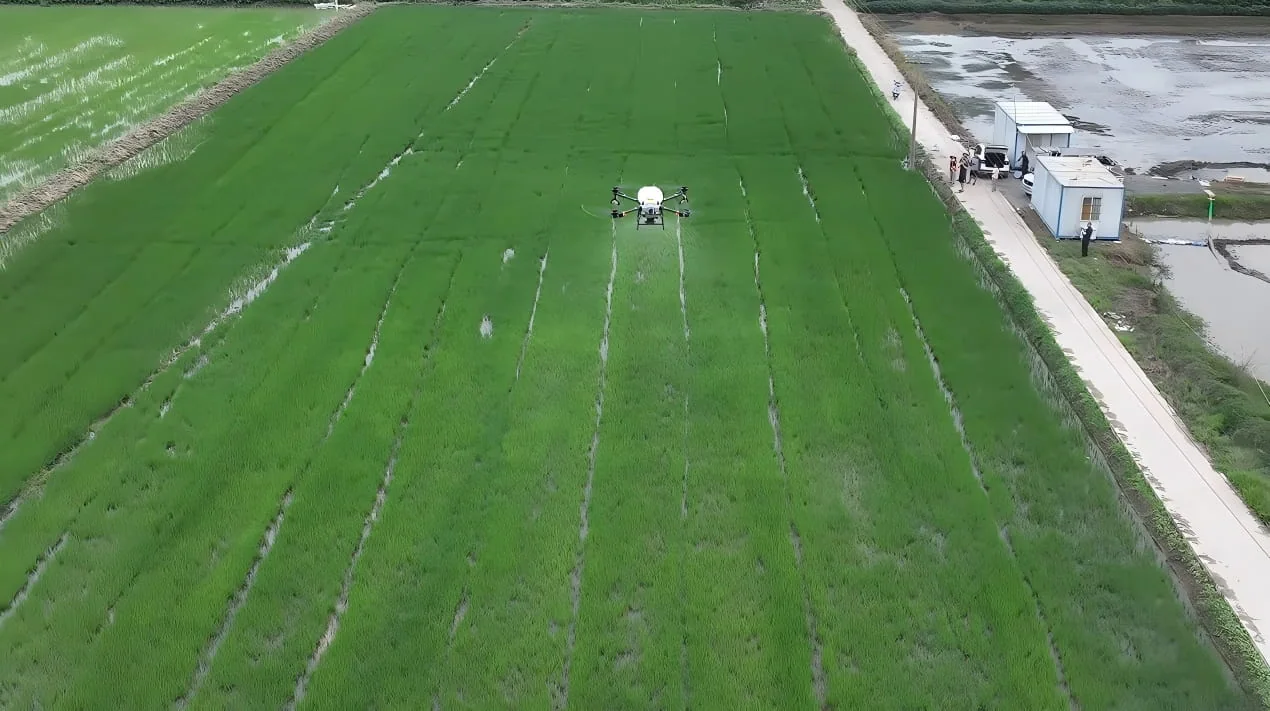
    Agricultural drone flying above flooded rice plots
    FP800 field-operation reference. Spraying and spreading use different task assemblies; confirm the package for your order.

    NAVIRO · AGRICULTURAL EQUIPMENT

    A practical guide to tank capacity, granular load, charging logistics and the questions to put in your equipment quotation.

    1. Begin with the application, then select the package

    Buying an agricultural drone starts with a work brief. State the crop, location, field blocks, application window and whether the work involves liquid spraying, granular spreading or both. For the FP800, these tasks use different assemblies and different capacity measures. A headline tank figure cannot determine a complete procurement specification.

    A contractor moving between separated plots may prioritize loading, refill access and component replacement logistics. A farm cooperative may need consistent equipment lists and clear responsibility for operation and maintenance across several members. Describe those constraints before comparing the aircraft package.

    2. Read 75L rated and 80L maximum correctly

    The supplied FP800 manual distinguishes a 75L rated operation-tank capacity from an 80L maximum capacity. Keep both figures visible when reviewing a quote. Do not silently replace the rated figure with the headline maximum when estimating a working schedule.

    A simple volume calculation can frame an enquiry, but it is not field productivity. As a hypothetical example, 75L divided by an application rate of 15L per hectare equals 5 hectares of liquid volume. That calculation excludes refill time, residual liquid, travel, turning, weather, battery changes and applicable operating limits. It is not a recommendation for a crop or chemical and does not establish hectares per hour.

    3. Separate hopper volume from granular load

    The optional SP-7 spreading assembly has a stated 120L volume and an 80kg maximum tank load in the supplied manual. Litres measure volume; kilograms measure mass. Seed and fertilizer materials differ in density, particle shape and flow behavior, so a volume figure must not be interpreted as an equal weight allowance.

    Include the exact granular material in your enquiry, together with the target application rate and required assembly. Request confirmation of the feeder arrangement and applicable calibration instructions. Do not use the separate 85kg lifting-system payload as the spreading load rating.

    4. Compare charging logistics alongside the aircraft

    An equipment proposal should identify the actual battery and charger, their quantity, connection accessories and input supply requirements. A larger tank can still be constrained by the time needed to refill, transport equipment and recharge. Maximum charger output is not a promise of a fixed charge time at every site.

    Describe the power available where charging will take place and the number of aircraft you intend to operate. Request the current input and output specifications for the quoted charger. If you are expanding an existing fleet, supply the installed battery and charger labels rather than assuming compatibility from the aircraft model alone.

    5. Request an itemized spraying and spreading quotation

    Separate the aircraft, spraying assembly, optional spreading assembly, controller, batteries, charger, conversion components, initial spares and packing in the quotation. Identify which items arrive installed and which are supplied separately. Ask for the instructions applicable to the exact delivered revision.

    For replacement planning, list component identifiers and quantities. An apparently similar nozzle, feeder or propulsion component can have a different interface or revision. The purchasing record should make it possible to identify the ordered equipment later without relying on a promotional image.

    6. Use evidence to finish the buying decision

    Review configuration-specific documents and any evidence required for your destination and task before ordering. Availability, shipment scope, warranty responsibilities and training arrangements need written confirmation. Public promotional material is useful for shortlisting, but it does not replace the current order specification.

    NAVIRO coordinates equipment sourcing and export enquiries. Send your destination, task, material, quantity and power information so that the proposed package can be checked against your procurement brief.

    Build your FP800 equipment enquiry

    Tell us your country, crop or material, field area, task and quantity. NAVIRO coordinates an itemized equipment proposal and current configuration checks.

    Images show equipment and potential applications. Final hardware, task assembly and package contents are confirmed in your model-specific quotation.

  • Cargo Drone Payload Capacity: How to Compare Real Loads

    Cargo Drone Payload Capacity: How to Compare Real Loads

    Cargo Drone Payload Capacity: How to Compare Real Loads

    Practical equipment guidance for buyers and operators. Review the details below, then prepare your model and application requirements.

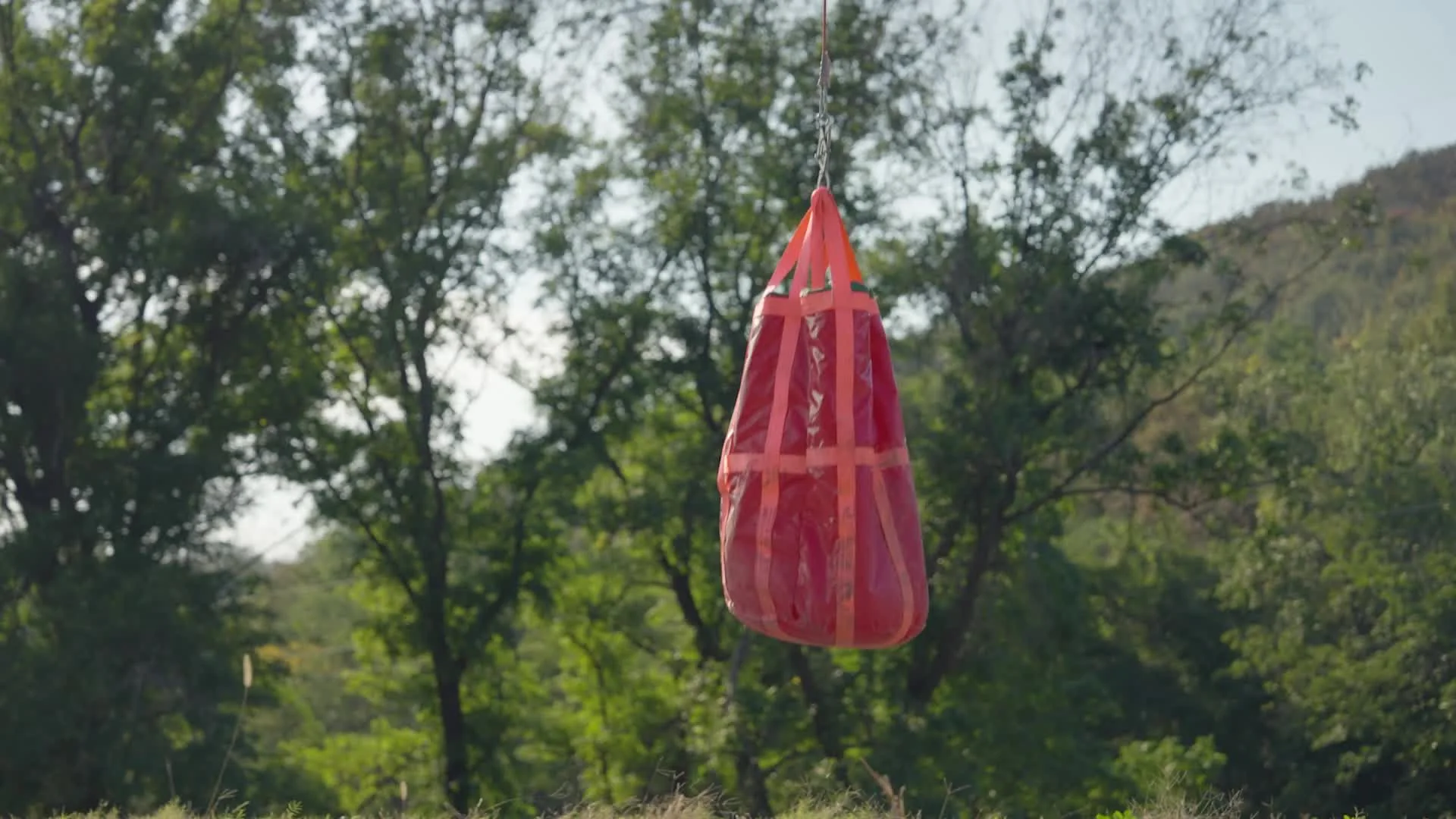
    Suspended cargo bag and lifting rigging during an equipment demonstration
    Photographic frame from a suspended-load demonstration. Assess the complete load and rigging; no payload rating is established by this image.

    Equipment buying resources · NAVIRO Drones

    Published 7 October 2026 · Equipment purchasing guidance

    Cargo drone payload capacity is useful only when you know the configuration and conditions behind it. The advertised lifting figure, flight-distance figure and photograph may describe different setups. Before comparing suppliers, define your complete load, route and delivery method, then request performance information for that combination. This guide helps you turn a headline capacity into a purchasing question. It does not calculate a safe load for an unverified aircraft or replace the supplier’s operating limits.

    Understand cargo drone payload capacity before comparing

    Ask the supplier to define the figure in writing. Does it describe goods alone, a complete suspended load or a particular cargo assembly? Which battery and task configuration does it use? Request the applicable conditions and supporting specification rather than infer the answers from a product title.

    Keep payload, total aircraft weight and task-equipment limits distinct. The lifting assembly can have its own relevant limits. A larger airframe headline does not establish that any hook, sling or container can be fitted or used with it.

    For a V180 equipment enquiry, the supplier brochure’s lifting figure remains a reference. Ask for the current cargo configuration and route-specific review before treating that number as usable capacity on your project. Agricultural tank figures belong to a separate configuration discussion.

    Count the complete load your quotation needs to address

    List the goods, packing and handling items separately. Include dimensions and the proposed attachment arrangement. Ask the supplier which items count toward the quoted payload definition. If the delivery method has not been chosen, describe the receiving site rather than guess the hardware.

    Illustrative enquiry example: a buyer has 60 kg of goods, 8 kg of packing and 4 kg of external attachment items. The submitted load inventory totals 72 kg. That arithmetic helps identify the question; it does not establish that a particular aircraft can lift it. The supplier still needs to clarify its payload definition, handling configuration and operating conditions.

    These are hypothetical numbers, not a NAVIRO customer case or V180 test result. Retain the separate entries in your enquiry so the supplier can explain what is included in its assessment. Do not discard the packing and attachment details because the goods alone appear below a brochure maximum.

    Cargo drone payload vs range: match the configuration

    Request distance information for the intended load, battery arrangement and route conditions. Ask whether the number describes a one-way trip, a return task or another test. Clarify what happens at the receiving end and whether the aircraft returns loaded or unloaded.

    A maximum payload and a maximum flight distance should not be assumed to occur together. A useful purchasing comparison links each figure to its configuration and test conditions.

    The DJI FlyCart 30 official product page distinguishes cargo and winch configurations and attaches conditions to performance specifications. It provides an example of the level of detail to request from a supplier. Its figures and functions are not evidence for V180 or another NAVIRO equipment offer.

    If you have only two unrelated headline figures, ask for clarification before calculating a delivery plan. This is especially important when comparing offers with different batteries or handling equipment.

    Describe the route beyond its horizontal distance

    Provide launch and receiving locations, elevation difference, maps or site photographs and the proposed delivery sequence. Explain access at both ends. Identify the conditions your team expects the supplier to consider, rather than asking only whether the aircraft can cover a straight-line distance.

    For a purchasing review, distinguish the complete route from a map measurement. The supplier needs to know the task you actually intend to perform. Any route assessment should identify its assumptions and the operating information still required.

    Our remote-site cargo enquiry page organizes these project inputs. It is a route for equipment discussion, not a statement that every remote location is suitable or that permissions are already in place.

    Choose the delivery method before assuming the package

    State whether the receiving plan involves landing, lowering a load or another proposed method. Ask which handling equipment is available for the quoted aircraft and which components are included. A suspended-load photograph does not confirm a winch, cable length or delivery mechanism in the order.

    For construction enquiries, describe the material dimensions and the receiving arrangement. Ask how the proposed assembly relates to the load and project conditions. Do not treat an agricultural aircraft with a stated lifting function as a complete, verified construction delivery system.

    If the supplier proposes a different handling method, update the equipment list and route question together. Comparing only the airframe after that change leaves an important part of the purchasing decision unresolved.

    A comparison table for heavy lift drone selection

    Give each supplier the same brief and ask for the same information. Mark unanswered items as pending rather than replace them with estimates from another model. This makes gaps visible without manufacturing a precise-looking range calculation.

    Comparison itemEvidence to request
    Payload definitionIncluded load items, configuration and applicable limits.
    Route performanceLoad, battery setup, distance definition and stated conditions.
    Handling equipmentIncluded assembly, interfaces and operating instructions.
    Purchase scopeAccessories, documents, support responsibilities and exclusions.

    When an item is essential to your project, resolve it before accepting the offer. Current configuration documents should take priority over older promotional material. Keep the final specifications with the order for later equipment and replacement enquiries.

    Drone lifting capacity: common purchasing questions

    Is maximum payload the same as usable payload on my route?

    Do not assume they are identical. Request the payload definition and a review of your load, configuration and route conditions. A brochure maximum is not a project-specific approval.

    Does packing count as payload?

    Include packing and attachment items in your enquiry, then ask how the supplier defines the quoted payload. Keeping a separate load inventory prevents an important assumption from being hidden.

    Can I use the maximum payload and maximum range together?

    Only use linked specifications confirmed for the same configuration and conditions. Separate maximum figures do not establish a combined capability.

    Does a cargo drone quotation include a winch?

    Not necessarily. Request an itemized handling-equipment list and confirm the delivery method. Do not infer included hardware from promotional images.

    What information is needed for a V180 enquiry?

    Send the load inventory, dimensions, attachment proposal, route, elevation difference, receiving plan, quantity and destination. Ask for the current cargo configuration and supporting documents.

    Turn your lifting task into a clear equipment enquiry

    Start with our cargo drone equipment page, then send your load and route requirements. NAVIRO coordinates the supplier discussion around the proposed configuration. You can then compare an itemized offer and its supporting information instead of relying on a headline payload alone.

    Continue your equipment review

    Review V180 equipment

    Compare the supplied model information with the complete load and route requirements.

    Describe the lifting site

    Include receiving access, elevation and handling arrangements.

    Compare the equipment

    Explore the agricultural, cargo and fire-response model families.

    Images show equipment and potential applications. Final hardware, task assembly and package contents are confirmed in your model-specific quotation.

  • How Many Batteries for a Spray Drone? A Buying Guide

    How Many Batteries for a Spray Drone? A Buying Guide

    How Many Batteries for a Spray Drone? A Buying Guide

    Practical equipment guidance for buyers and operators. Review the details below, then prepare your model and application requirements.

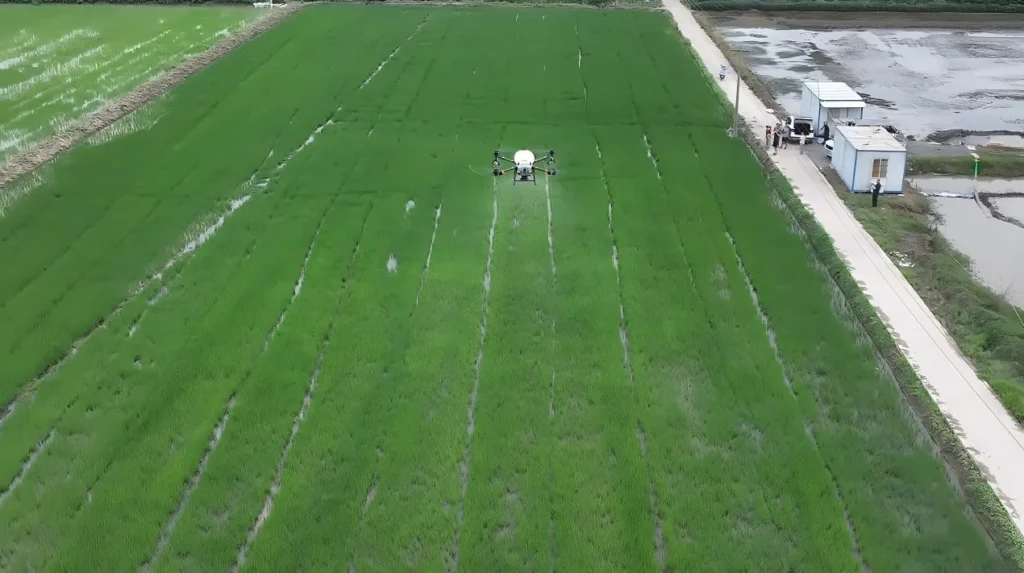
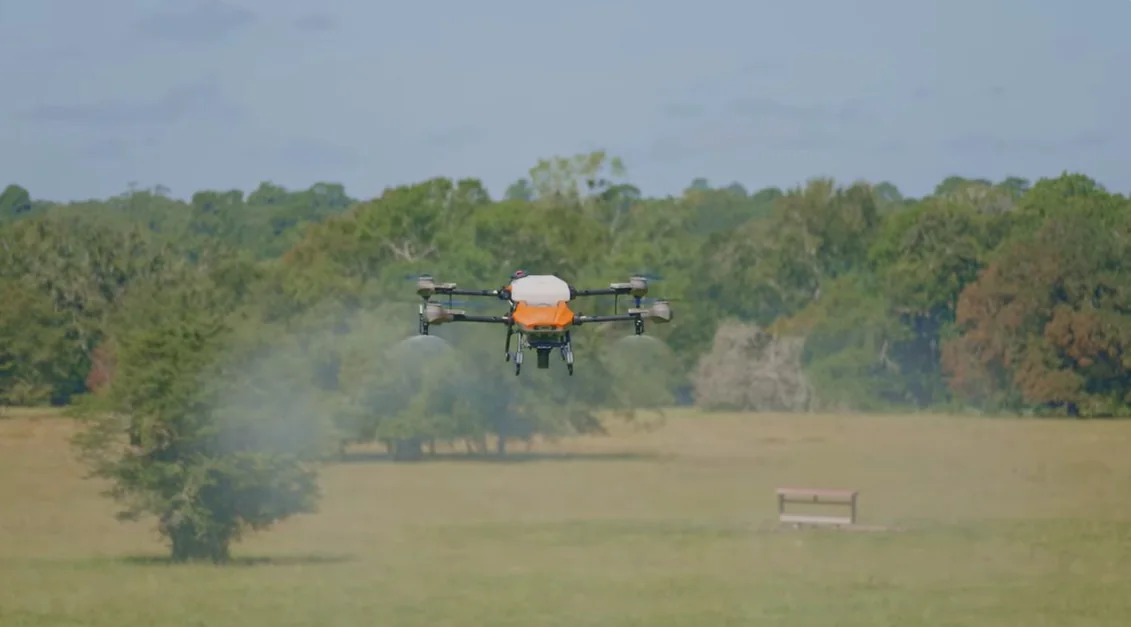
    Agricultural drone spraying above a grass field
    Field-operation reference. Required battery quantities depend on the actual work cycle, charging arrangements and approved equipment.

    Equipment buying resources · NAVIRO Drones

    Published 7 October 2026 · Equipment purchasing guidance

    You cannot choose the right number of spray drone batteries from tank size alone. You need to know how often the aircraft returns for a battery change and how long each used battery takes to become ready again. Charger capacity, available power and the aircraft’s approved battery instructions belong in that comparison. Before ordering extra packs, ask your supplier to review the complete working setup. This guide shows how to prepare that discussion without assuming a universal two-battery or three-battery rule.

    How many batteries for a spray drone? Start with the cycle

    The useful purchasing question is: will a ready, compatible battery be available when the aircraft needs one? Write down a representative cycle for your intended spraying task. Include the flight, landing, inspection, refill and battery change. Then record the separate process that turns the removed battery into a ready replacement.

    Use information for the actual aircraft, battery and charger combination. A flight-time figure from an empty aircraft or a charging claim from a different battery does not answer your field question. Ask whether the figures supplied apply to the quoted configuration and what conditions they assume.

    Keep two intervals separate:

    • Battery-change interval: time between successive battery changes in the planned working sequence.
    • Battery recovery interval: time from removal until that battery is approved and ready for reuse, including handling, any required waiting, charging and checks.

    These are scheduling inputs, not permission to charge or fly a battery outside its instructions.

    Test your spray drone battery rotation on a timeline

    A simple timeline can expose a gap before you buy the package. Mark when each pack leaves the aircraft, when it enters an available charging channel and when it becomes ready. Keep adding aircraft cycles and check whether the next pack is available at each change.

    Illustrative example only: suppose a planned battery change occurs every 12 minutes, and a removed pack takes 30 minutes to become ready. Battery A comes off at minute 12, so its first possible return is minute 42. With three packs, A would be needed again at minute 36: that schedule contains a six-minute gap. A fourth pack would move its next scheduled use to minute 48, but that still requires the recovery estimate and charging-channel availability to hold.

    The numbers above are invented to demonstrate the scheduling method. They are not HD580, HD540S or HD525 specifications, a field result or a recommended operating plan. A real calculation needs supplier-confirmed inputs and the applicable procedures.

    If you discover a gap, examine its cause. You may need another compatible pack, additional charging capacity or a different ground-support arrangement. More batteries alone cannot remove a persistent shortage of charging throughput.

    Check your agricultural drone charger and power supply

    Ask how many packs the quoted charger can charge at the same time, whether multiple connectors mean simultaneous charging, and what input supply it requires. List the other equipment that will share the power source. Your enquiry should make the charging arrangement explicit rather than assume that every package includes everything needed at the field.

    Confirm the supported battery models, included cables and operating instructions. For a replacement enquiry, send the existing battery and charger labels. See our battery and charger matching page for the identification details.

    Do not turn a generic article into a charging procedure. Use the approved instructions for temperature limits, inspection, charging and storage. If a supplier has not supplied those documents, request them before treating the package as ready for your planned work.

    Plan the spray drone charging setup around field movements

    A rotation that looks workable at one location can change when the crew moves, the refill point changes or charging stops during transport. Put those events on the same timeline. Distinguish the main field sequence from breaks, travel and preparation.

    Purdue University’s field-setup guidance treats batteries, the charger and its power source as linked planning choices. It also considers the placement of support equipment. That supports checking the whole setup rather than selecting a fixed battery count.

    For your own equipment brief, identify field blocks, refill locations and available power. Our spraying contractor equipment page connects those inputs to a complete-package enquiry. Neither article nor category page promises uninterrupted operation or a daily treatment area.

    Compare complete offers before adding spare packs

    Ask each supplier to identify the aircraft revision, battery references, charger, cables, supporting equipment and documents. Compare the same items across offers. A low airframe price with missing charging equipment is not directly comparable with an itemized working package.

    Question for the quotationWhat to request
    Which battery fits?Exact battery reference and aircraft compatibility.
    How is it recovered?Applicable instructions and configuration-specific timing information.
    What can charge simultaneously?Charging-channel scope and power requirements.
    What is included?Pack quantity, charger, cables, accessories and exclusions.

    Questions buyers ask before ordering

    Are two batteries enough for a spray drone?

    They may or may not fit your working sequence. Check when each pack is needed again and when it becomes ready. Aircraft, charger and task information are required; the number alone does not establish a workable rotation.

    Does every spraying drone need three batteries?

    No universal count is established here. Test the proposed sequence with supplier-confirmed recovery and charging information. A fixed recommendation from another model is not a substitute for reviewing your package.

    Will a larger tank solve battery waiting?

    Tank size does not answer the charging question. Compare the aircraft sequence with the recovery process separately, then review whether the proposed complete setup meets your task.

    Can I combine batteries and chargers from different versions?

    Do not assume compatibility. Send the component references and ask for written confirmation for the proposed combination before ordering.

    What should I send to NAVIRO?

    Send the aircraft model or shortlist, crop and field conditions, charging-power information, quantity and destination. For replacements, include readable component labels and photographs.

    Request a package built around your working setup

    Review the agricultural drone model families, then send your field and charging requirements through our equipment enquiry page. NAVIRO coordinates the supplier configuration discussion so you can compare the aircraft and its support equipment together. Current component compatibility, availability and timing require confirmation in the offer.

    Continue your equipment review

    Compare agricultural models

    Review HD580, HD540S and HD525 brochure families and the questions needed for a current configuration.

    Plan the working scenario

    Include field blocks, transport, refill and charging access in your equipment brief.

    Identify batteries and chargers

    Match component references to the exact installed aircraft revision.

    Images show equipment and potential applications. Final hardware, task assembly and package contents are confirmed in your model-specific quotation.

    Related reading